

The King’s brief personal admission landed differently because his cancer treatment has become part of a wider public-health message. Palace comments and charity data show why even a limited update can carry national weight.
King Charles III made a candid health-related admission after months of unusually public conversation about his cancer diagnosis: he said it gets much harder. This article explains the context of the remark, why it is notable, and how it fits with Buckingham Palace’s latest public messaging that the King’s cancer treatment is being reduced but not ending.
For a monarch whose medical details are usually closely held, a short admission can carry weight. The remark drew attention because Charles has become more open about cancer screening, early diagnosis and the strain of treatment while continuing a busy public schedule.
A rare personal note
The line reported in the Hello! US item carried on MSN was framed as a sobering health admission from King Charles III. On its own, that phrase is not a full medical update. Its significance comes from the broader setting: Charles has spent the past year allowing more of his health journey into public view than British monarchs typically do.
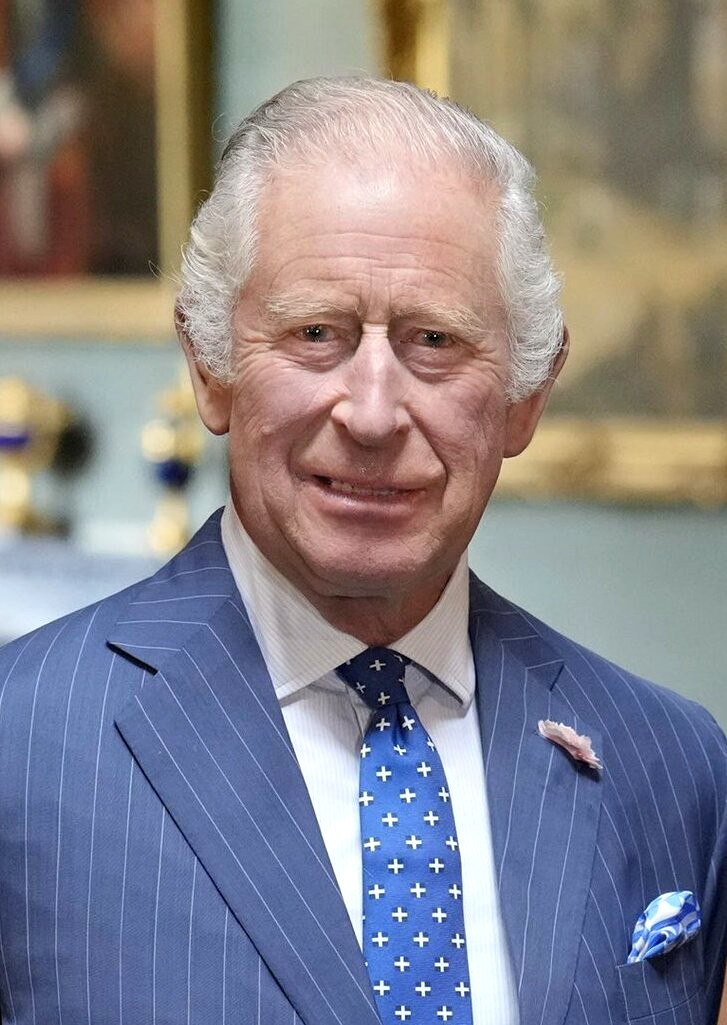
The Palace has not disclosed the type of cancer the King has been treated for. That remains a major boundary in the public record. Still, the King has chosen to speak in general terms about diagnosis, treatment and the fear that can keep people from screening.
That makes the phrase “it gets much harder” land in a particular way. It does not reveal a new diagnosis or a confirmed setback. It does, however, reinforce the image of a monarch managing illness while trying to keep the routine of kingship visible.
Treatment is being reduced
The most concrete recent health update came through a BBC report on Buckingham Palace’s reaction to the King’s recorded message for Channel 4’s Stand Up To Cancer campaign. According to that report, Charles said he could share the good news that his cancer treatment would be reduced.
That is a meaningful shift, but the Palace’s wording matters. The King is not described as being in remission or “cured.” The BBC reported that he will continue to receive treatment and monitoring, with the regularity of treatment significantly reduced in the new year.
That nuance is important because public interest in royal health can quickly turn into overinterpretation. Reduced treatment is not the same as an all-clear. It suggests progress in the plan his doctors are following, while leaving the medical specifics private.
Charles revealed his cancer diagnosis in February last year, after earlier treatment for an enlarged prostate. The Palace later said he was “greatly encouraged and deeply touched” by the reaction to his televised message, particularly the attention it brought to screening.
The screening message mattered
In the Stand Up To Cancer message, Charles urged people to take up cancer screening invitations and said early diagnosis saves lives. He also said he was troubled to learn that millions of people in the UK were not up to date with the screening available to them.
According to the BBC, the King referred to nine million people around the UK missing available cancer screening opportunities. His message was blunt: those missed appointments can also be missed chances for early diagnosis.
Cancer Research UK said around 100,000 people had visited its new online screening checker since it launched on 5 December, with a majority of those visits coming after the King’s broadcast. The tool is designed to help people check whether they are eligible for NHS and Public Health Agency screening in their area.
The NHS has three national cancer screening programmes for eligible groups: bowel, breast and cervical screening. These tests can sometimes detect problems before symptoms appear, which is why health professionals often stress attendance even when someone feels well.
Why Charles’s words travel
There are few public figures whose personal health updates can move behavior at national scale. Charles’s earlier prostate treatment announcement was linked to a surge in searches on the NHS website. His cancer message appears to have produced a similar burst of public attention around screening.
Clare Garnsey, associate medical director of the Greater Manchester Cancer Alliance, told the BBC the King’s message was powerful and helpful to health professionals because it showed that cancer can affect anyone. Macmillan Cancer Support also thanked the King for speaking with openness and honesty.
Royal biographer Jonathan Dimbleby, a friend of Charles, told BBC Radio 4 that the King’s decision to discuss his treatment in warm and thoughtful terms showed the unique role of the sovereign. His point was not only that the King was sharing personal news, but that doing so could make the word cancer less frightening.
That is the tension at the heart of the story. The King’s health is private, but the King’s words are public instruments. When he speaks even briefly, the message can become larger than the man.
Privacy still sets the limits
Royal watchers often want sharper answers: What type of cancer? What treatment? What prognosis? Buckingham Palace has not provided those details, and there is no sign it intends to. That restraint is deliberate.
There are fair arguments on both sides. More transparency can reduce rumor and help the public understand what the monarch is facing. Too much detail can turn a patient’s treatment into a running public spectacle, especially when the patient is also the head of state.
The Palace’s current approach splits the difference. It confirms enough to show continuity and acknowledge public concern, while withholding clinical specifics. Charles’s own public comments add emotional texture without opening his full medical file.
That balance may frustrate people looking for certainty. It also reflects a basic truth about illness: even public figures are entitled to boundaries, and not every health-related remark should be treated as a coded bulletin.
What remains uncertain
The biggest unknowns remain unchanged. The King’s cancer type has not been disclosed. His full treatment plan is not public. The exact medical reason treatment can be reduced has not been explained.
There is also no verified evidence that the “it gets much harder” remark signals a deterioration in his condition. The more cautious reading is that Charles was acknowledging the difficulty of health challenges while continuing to frame his experience as a reason for others to act early.
The practical takeaway is less about palace tea leaves and more about the message Charles has chosen to amplify. Screening can be uncomfortable, embarrassing or inconvenient, as he acknowledged, but health authorities say early detection can make a major difference.
For now, the story is not that King Charles III has offered a dramatic new diagnosis. It is that a candid phrase from a monarch already undergoing cancer treatment has sharpened attention on a carefully managed public-health message: the treatment burden is real, privacy remains intact, and early diagnosis is the point he wants people to remember.








Leave a Reply