
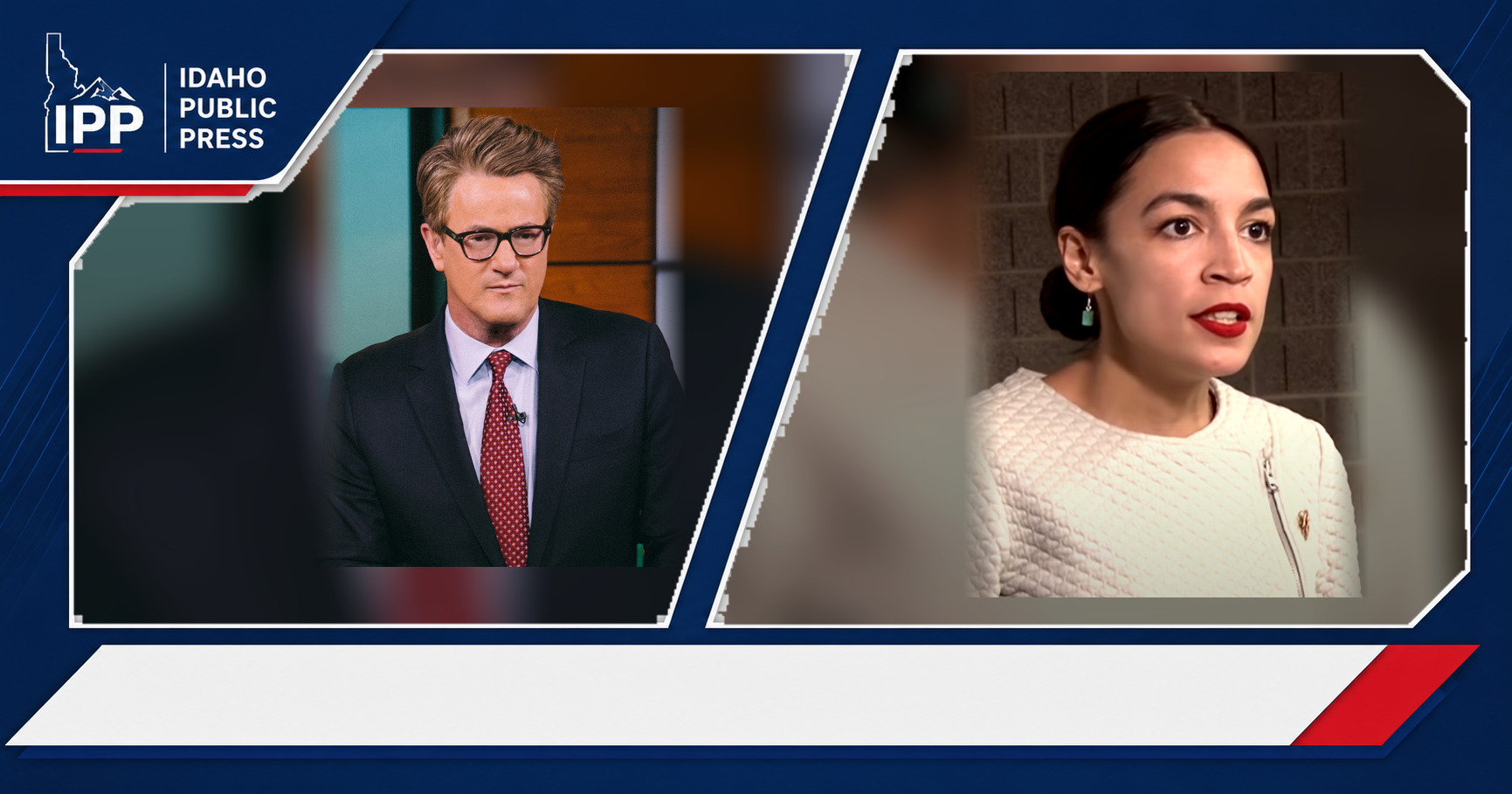
The “Morning Joe” host’s on-air criticism centered on how Democrats handle outspoken figures on the party’s left flank. The exchange also revives a larger argument over electoral messaging, ideological labels and party discipline.
Joe Scarborough criticized Democrats, arguing they tolerate controversial left-wing voices and are “too woke to call out the obvious.” The “Morning Joe” host made the remarks after Rep. Alexandria Ocasio-Cortez addressed her decision not to endorse Francesca Hong, a Democratic Socialist candidate in Wisconsin’s gubernatorial race.
Scarborough’s criticism was an opinionated television argument, not a formal Democratic Party position. But it puts a familiar political question back in focus: when candidates or activists make divisive statements, should party leaders publicly repudiate them—or risk giving opponents a bigger target?
Scarborough’s argument on air
According to a New York Post account of the segment, Scarborough said Democratic leaders have allowed figures with views he considers far outside the mainstream to gain too much prominence.
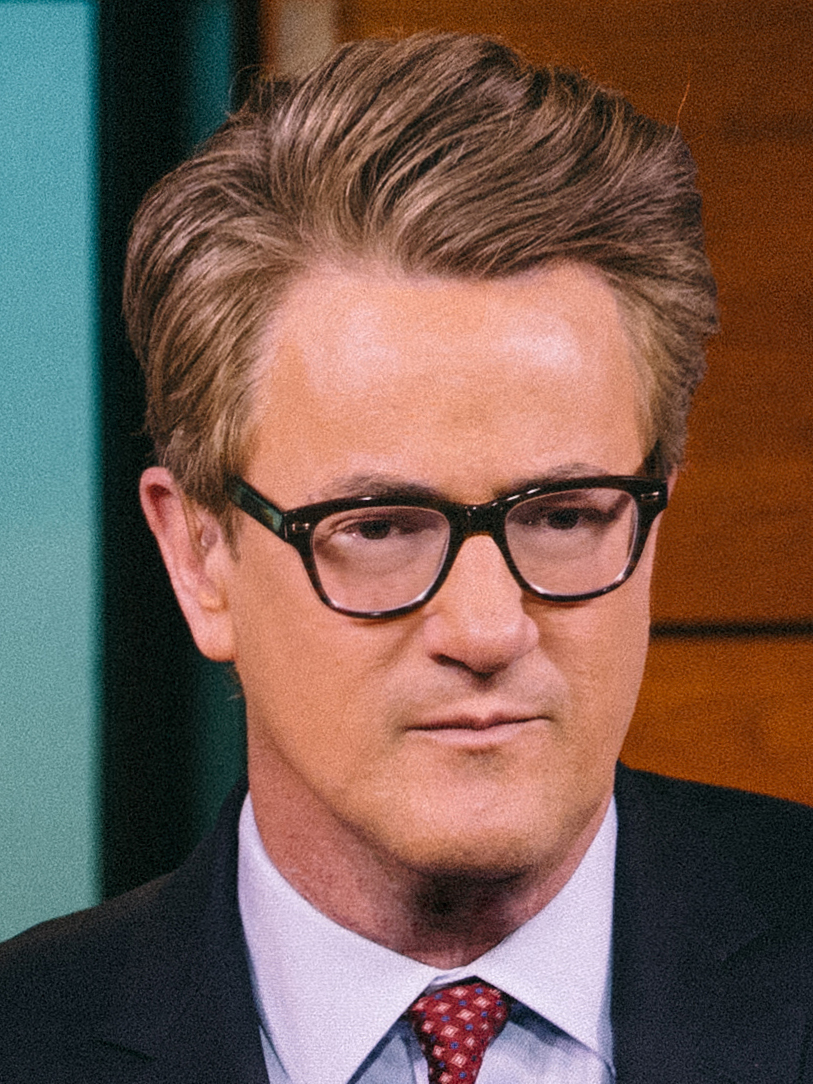
He singled out Ocasio-Cortez’s response during an ABC News appearance in which she was pressed on why she had not endorsed Hong. Scarborough argued that the response did not sufficiently confront Hong’s past statements.
His broadest claim was electoral: Democrats, he said, lose ground when they decline to draw a bright line between popular progressive priorities and rhetoric that many voters may find unacceptable.
That is a political assessment, and it is contested. Democrats span centrists, liberals, progressives, organized-labor allies and democratic socialists, making it difficult for any leader to speak for every candidate and local movement operating under the party’s broad umbrella.
The Wisconsin candidate at center
Hong’s candidacy became the immediate trigger for the exchange. The Post described her as a democratic socialist running for Wisconsin governor and cited previous statements in which she had called for abolishing police, prisons and Thanksgiving.
Ocasio-Cortez, as summarized by the Post, said Hong had moved away from some earlier positions and encouraged voters to evaluate what the candidate is saying now. That approach treats an elected official’s present platform as more relevant than a single past statement.
Scarborough took the opposite view. He contended that party leaders should be more direct when they encounter rhetoric they regard as extreme, particularly on issues involving public safety, antisemitism and cultural conflict.
The available source material does not establish Hong’s current platform in full, whether she has formally renounced specific prior remarks, or how Wisconsin voters view those issues. Those distinctions matter in a race where national media attention can flatten a state-level candidate into a symbol of a much larger ideological fight.
AOC’s response drew scrutiny
Ocasio-Cortez did not endorse Hong in the exchange that prompted Scarborough’s remarks. Her response, as described in the Post report, emphasized that people should assess Hong’s current positions rather than treat earlier comments as the complete account of her candidacy.
That is a familiar defense for politicians who have changed views, refined their language or built broader coalitions. It also reflects the practical reality that national figures are routinely asked to answer for candidates they do not manage and may not support.
Critics of that approach say it can sound evasive when the earlier comments involve emotionally charged subjects. Supporters say a demand for immediate denunciation can reward selectively edited clips, discourage political growth and give media incentives to make every intraparty disagreement a national spectacle.
Neither view eliminates the underlying challenge: voters often want clear answers, while politicians want enough context to avoid being tied permanently to a statement they say no longer represents a candidate.
The 2024 message still looms
Scarborough linked his criticism to the 2024 presidential election, arguing that Republicans successfully used cultural issues to portray Democrats as out of step with working-class voters. He cited campaign messaging about transgender health care in prisons as an example of an issue Republicans used repeatedly.
His point was not that Democrats should abandon economic populism. In fact, he said messages such as higher taxes on billionaires and health-care reform could appeal across ideological lines.
The distinction is central to his critique. Scarborough’s argument is that Democrats can advocate progressive economic policies while rejecting statements or positions that could be framed as indifferent to public safety, antisemitism or other concerns voters see as basic matters of judgment.
Democrats and allied groups often counter that Republican campaigns use isolated remarks to create a misleading portrait of the party, while avoiding scrutiny of their own ideological divisions. They also argue that the party’s electoral losses and gains cannot be reduced to one cultural-message debate; inflation, turnout, local candidates, abortion policy and voter access can all shape outcomes.
Coalition politics has no easy fix
Scarborough named Senate Minority Leader Chuck Schumer and House Minority Leader Hakeem Jeffries as leaders who, in his view, should be more willing to denounce extreme rhetoric. His prescription is a clearer internal boundary between mainstream Democratic candidates and views he says alienate voters.
There is a practical case for that strategy. A swift, specific response can prevent opponents from defining a party before its own leaders do. It can also reassure voters who agree with Democrats on wages, health care or abortion rights but are uneasy about particular cultural debates.
There is a cost, too. Public rebukes can deepen divisions, elevate marginal figures and make a sprawling party coalition look more fractured than it is. In many races, the people being discussed are not national officeholders, and their views may have little bearing on the positions of Democratic nominees elsewhere.
The immediate controversy is about Ocasio-Cortez, Hong and a Wisconsin campaign. The larger fight is about political branding: whether Democrats gain more by aggressively separating themselves from their leftmost voices, or by refusing to let opponents decide which voices define the party.
What remains unresolved
Scarborough’s comments do not settle whether Hong’s record will become a decisive issue in Wisconsin, or whether prominent Democrats will weigh in more directly. They do show how quickly a local candidacy can become evidence in a national argument.
For Democrats, the unresolved task is to explain where the party’s governing priorities end and where individual candidates’ personal or ideological positions begin. For Republicans, the incentive will remain to argue that the most controversial left-wing comments reveal the party’s real direction.
That tension is unlikely to disappear before the next election. Every disputed endorsement, clipped interview and old social-media post offers another test of whether party leaders respond with a rebuttal, a break—or a decision to move on.




Leave a Reply