
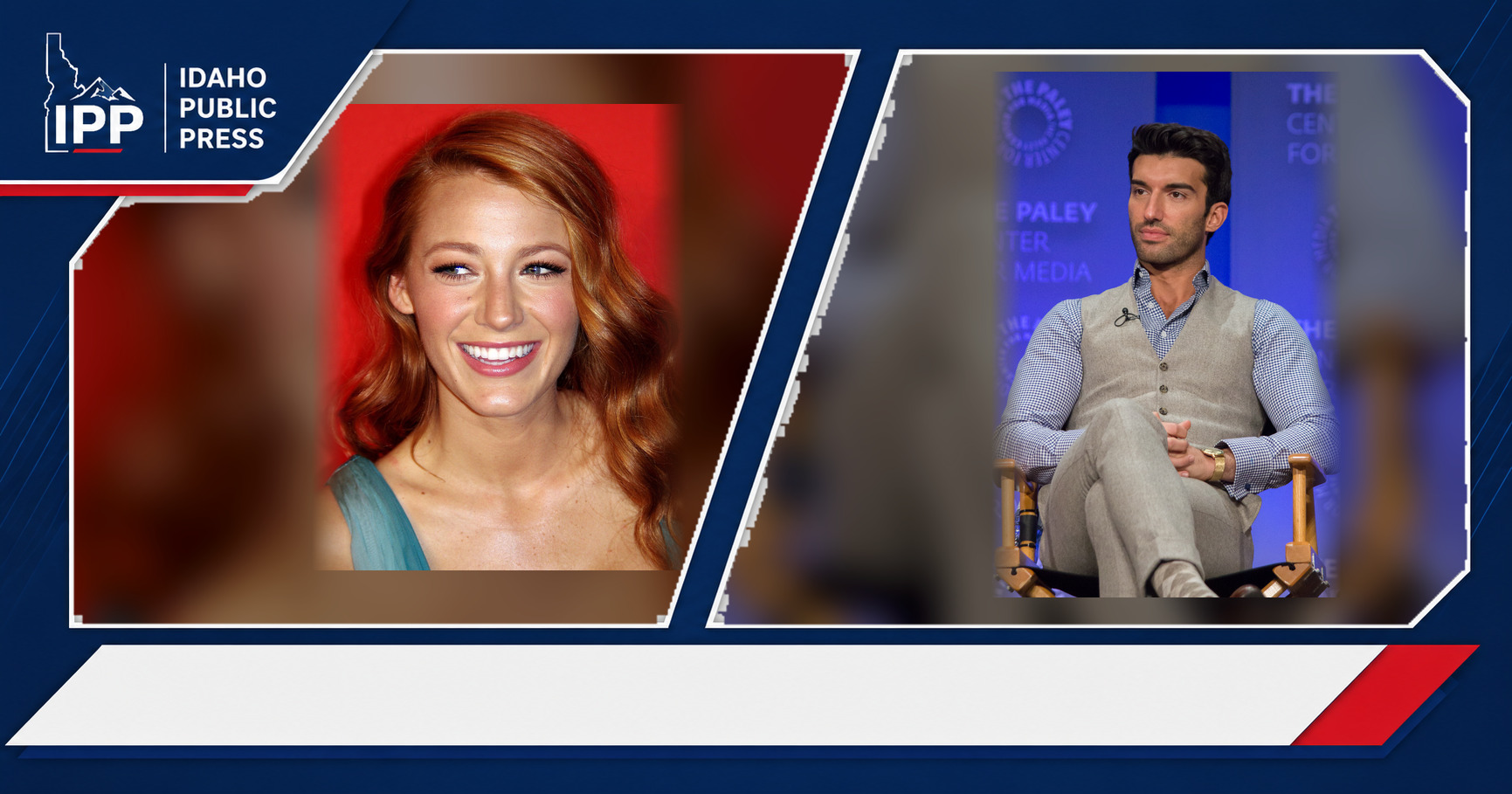
The dispute between the It Ends With Us co-stars has grown into a tangle of allegations, legal filings and related claims. The key distinction is between accusations made in court documents and facts that have been proven.
Blake Lively and Justin Baldoni are involved in an ongoing legal battle, and another lawsuit has emerged from the dispute. The conflict tied to It Ends With Us has moved well beyond the film’s awkward press tour, bringing competing allegations, multiple legal strategies and a newly reported connected lawsuit into public view.
The important point is not simply that Lively and Baldoni are fighting in court. It is that each filing has widened the circle of people and companies drawn into the case — while many of the most serious claims remain allegations that have been denied, contested or not yet decided by a court.
The dispute began after the film
Lively and Baldoni co-starred in the 2024 adaptation of Colleen Hoover’s bestselling novel It Ends With Us. Baldoni also directed the film and was associated with its production through Wayfarer Studios.
The movie was a commercial success, earning more than $350 million globally, according to the BBC. Yet viewers also noticed that Lively and Baldoni did not promote the film together in the usual way: they were not photographed together at its New York premiere, did not conduct joint interviews and appeared separately during the publicity campaign.
At the time, neither actor publicly laid out the full reason for the apparent distance. The speculation surrounding the press tour later became background to a far more consequential dispute over what allegedly occurred during production and what happened afterward.
Lively’s complaint made serious allegations
In December 2024, Lively filed a legal complaint accusing Baldoni of sexual harassment and alleging that he and others participated in an effort to damage her reputation after she raised concerns about conditions on set. The complaint also named Wayfarer Studios and its chief executive, Jamey Heath.
As summarized by the BBC, Lively alleged a hostile work environment and said a meeting was held to establish workplace protections. Her claims included allegations about inappropriate conduct, comments and boundaries during production.
Those allegations are at the center of the Lively-Baldoni legal battle, but they are not court findings. Baldoni has strongly denied wrongdoing. That distinction matters in coverage of an entertainment story that has often been argued through headlines, social-media posts and selective accounts of legal documents.
Lively’s side has framed the dispute as one involving workplace conduct and alleged retaliation. Baldoni’s side has argued that the accusations and the ensuing media narrative mischaracterized events. The competing accounts are fundamentally at odds.
Baldoni answered with his own claims
Baldoni responded with litigation of his own, including a lawsuit that challenged the allegations and targeted several parties connected to the public dispute. His legal approach argued that he had been defamed and harmed by the way the conflict was presented.
That suit was dismissed by a judge in June 2025, according to the BBC’s account of the case. A dismissal does not, by itself, resolve every claim, every factual disagreement or any separate proceeding involving other parties. It does mean that a major piece of Baldoni’s response did not move forward in the form he filed it.
This is where shorthand descriptions of the feud can become misleading. There is not one neat lawsuit with one winner and one final version of events. There are overlapping claims, different defendants, procedural decisions and allegations that may be evaluated on different legal tracks.
Why another lawsuit is significant
The newly reported lawsuit is significant because it reflects how a dispute between two actors can spread to people around them — including publicists, production executives, companies and others involved in communications or the film’s business operations.
The supplied reporting identifies the development as another lawsuit connected to the Lively-Baldoni conflict, but it does not provide enough verified detail to responsibly state the new case’s exact plaintiff, defendants, court, claims or requested damages. Those details should come from the complaint itself or reliable reporting that identifies the filing.
That may sound cautious, but it is essential in a case like this. A lawsuit can be connected to a celebrity dispute without being brought directly by either celebrity. It can also involve a narrow question — such as alleged defamation, business interference, records, contracts or communications — rather than the underlying workplace allegations.
Calling every linked filing “Lively versus Baldoni” can flatten crucial differences. The legal relationship may be direct, indirect, parallel or merely rooted in the same set of events.
Public relations became part of the case
The dispute has also placed unusual attention on the machinery behind a modern movie launch. Lively alleged that her public image was targeted after she raised concerns; Baldoni has denied orchestrating the kind of campaign alleged against him.
That issue carries weight because public-relations activity is not automatically unlawful, even when it is aggressive or unpopular. The legal question is whether conduct crossed the line into a legally actionable effort to retaliate, defame, interfere with business relationships or cause other specific harm.
Evidence can include messages, contracts, public statements, records of paid work and witness accounts. But interpreting that material is precisely what lawyers and courts are paid to do. A viral excerpt or an accusation in a filing is not the same thing as a complete evidentiary record.
The public debate has, at times, treated the case like a referendum on which star is more believable. The court process is narrower: it examines particular claims under specific legal standards, with rules about evidence and procedure.
What remains unresolved
The broad conflict is not settled by the dismissal of one lawsuit or by the emergence of another. Lively’s allegations, Baldoni’s denials and any claims asserted in connected cases must be evaluated on their own legal merits.
It also remains unclear from the available source material how the newly reported lawsuit will proceed, whether it will be consolidated with any related action, or whether its parties will seek a private resolution. Those are consequential questions because procedural rulings can shape what documents become public and which issues ever reach trial.
For now, the clearest takeaway is that the Blake Lively and Justin Baldoni legal battle is bigger than a celebrity feud born from a troubled press tour. It has become a multi-front dispute about workplace allegations, reputation, publicity and accountability — and the latest lawsuit adds another layer rather than a final answer.




Leave a Reply