
The language is a sharp escalation in an already dangerous confrontation involving Iran, the United States and regional allies. What matters now is whether the rhetoric translates into further attacks, disruption around the Strait of Hormuz or a renewed diplomatic push.
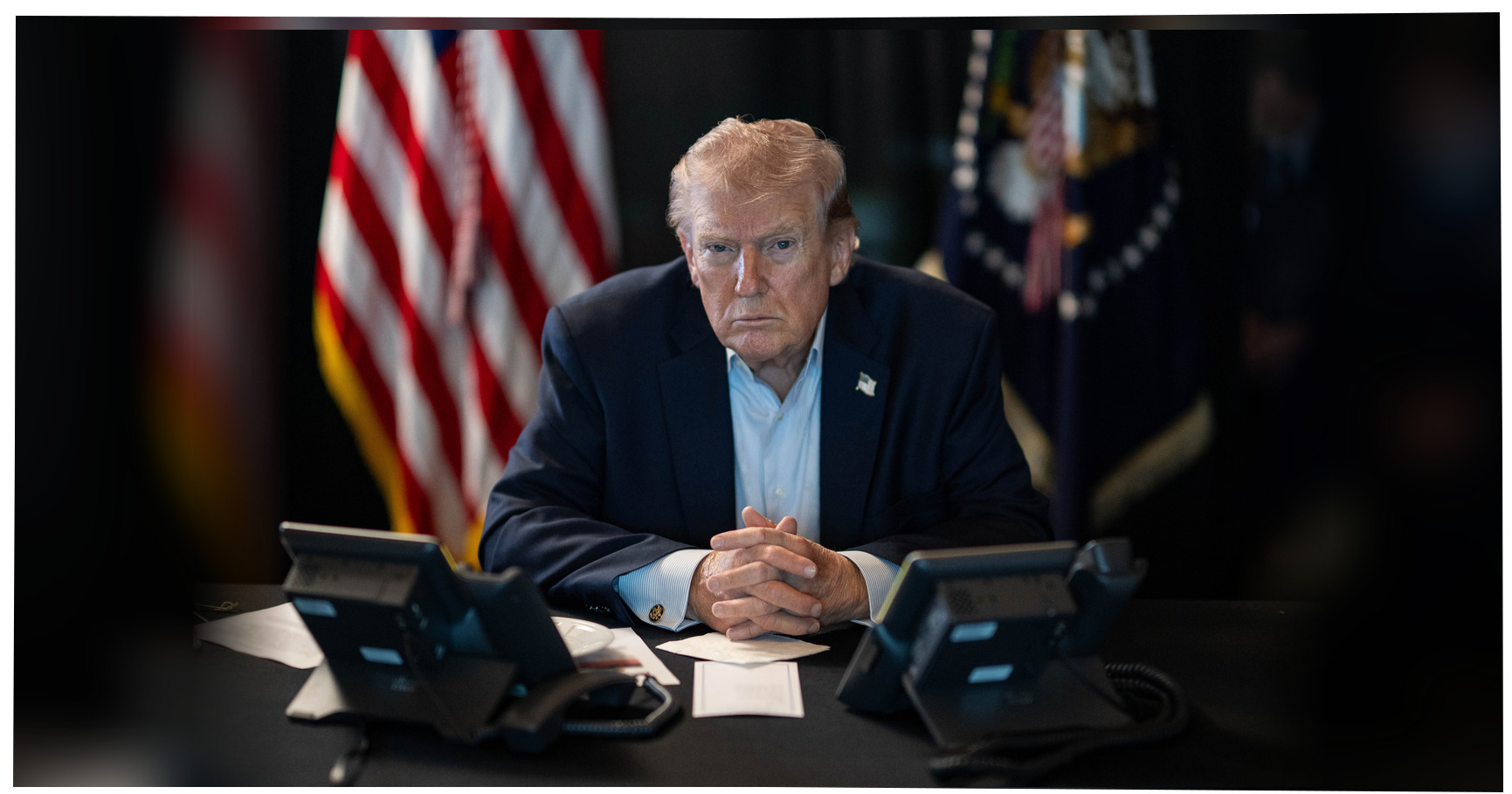
Iran warned of “earthquake-like” retaliation in response to Donald Trump’s threats, according to the live updates that brought fresh attention to the escalating Iran-U.S. confrontation. The warning matters because the conflict is no longer confined to political messaging: reported strikes, missile alerts and threats to shipping are affecting countries across the Middle East and beyond.
Live updates on the Iran war have described a rapidly moving situation, with claims and counterclaims from Tehran, Washington and their military partners. The available reporting does not establish what specific action Iran meant by its “earthquake-like” language, leaving the scale and timing of any retaliation unclear.
Words that raise the stakes
“Earthquake-like” is deliberately forceful language. In a crisis where governments use public statements to signal resolve, deter adversaries and speak to domestic audiences, it is not the same as a confirmed military plan.
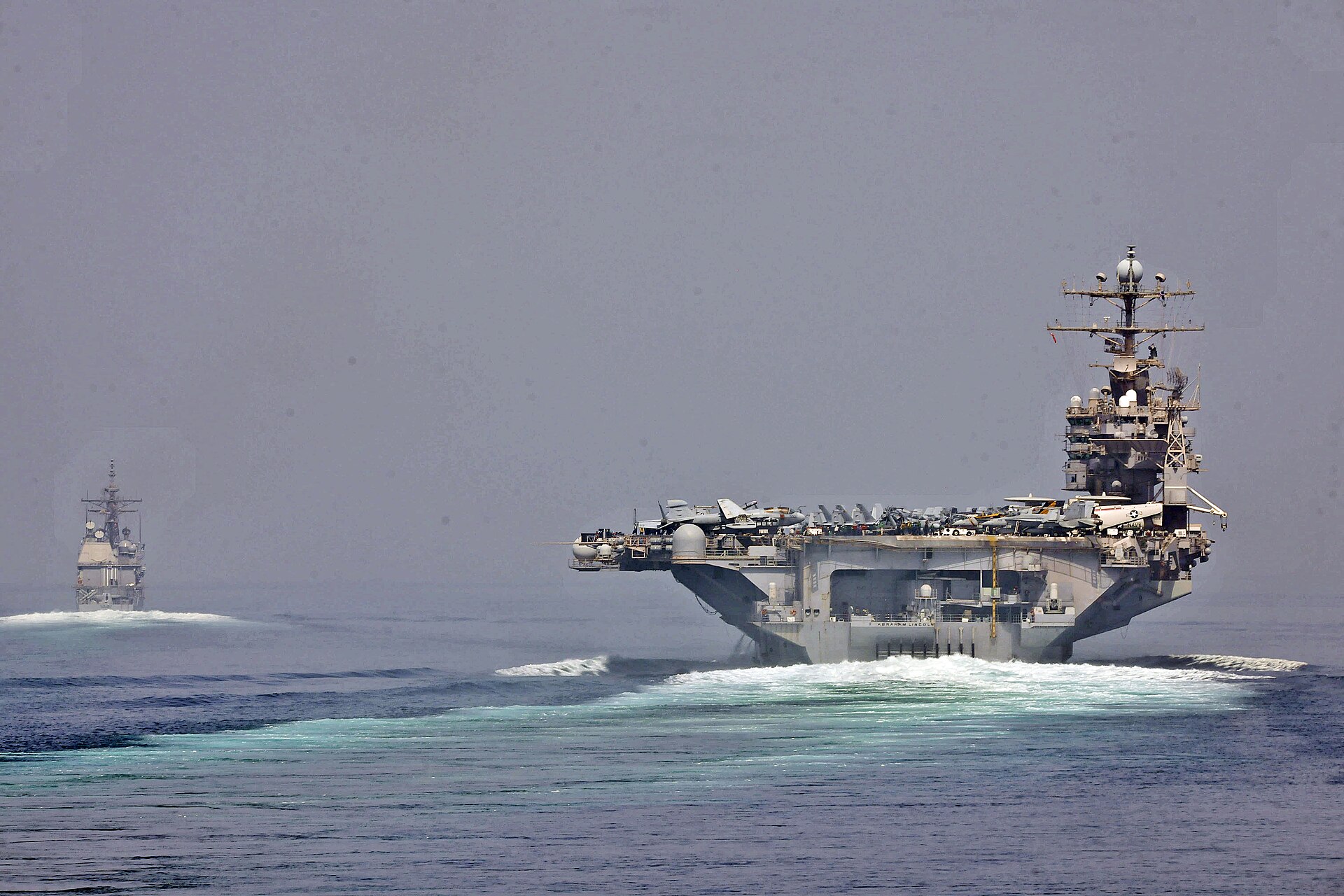
Still, the warning arrives against a backdrop of active fighting and direct pressure from the United States and Israel. The Associated Press, in a March 2026 live report on the war, documented Iranian missile and drone activity, U.S. and Israeli strikes, and warnings across several Gulf states.
That context makes the phrase consequential even without operational details. Iranian leaders may be seeking to show that additional pressure will carry costs, while U.S. officials are portraying Iran’s continuing attacks as a sign that its capabilities are under strain.
The conflict has crossed borders
The most striking development in AP’s live coverage was a reported Iranian attack targeting the joint U.K.-U.S. military base at Diego Garcia in the Indian Ocean. The base is roughly 2,500 miles from Iran, and the report said the episode raised questions about the reach of Tehran’s missile capabilities or the possible use of an improvised launch method.
That reported strike matters because it points beyond the immediate battlefield. A wider geographic reach would complicate military planning for the United States and its allies, while increasing anxiety among governments that host foreign forces or sit near major air and sea routes.
Missile alerts have also been reported in Bahrain and Kuwait. Saudi Arabia said it intercepted a ballistic missile aimed at Riyadh, according to AP, while the United Arab Emirates said its air defenses were responding to incoming Iranian missiles.
These incidents underscore a central danger: escalation does not require every country to formally enter a war. Airspace closures, missile defenses, civilian alerts and the possibility of falling debris can pull neighboring states into the practical consequences of a conflict.
Hormuz remains a global pressure point
The Strait of Hormuz is one of the world’s most important oil-shipping chokepoints, and threats to vessels passing through it carry economic consequences far beyond the region. AP reported that Iran had threatened shipping in the waterway.
The United Arab Emirates joined 21 countries, including the United Kingdom, Germany, France and Japan, in expressing readiness to support appropriate efforts to ensure safe passage, AP reported. That language reflects concern that commercial shipping could become a direct lever in the confrontation.
For consumers, the immediate effect of insecurity around Hormuz may show up first in energy markets, freight costs and insurance rates rather than at a gas station or grocery checkout. The size and duration of any impact depend on whether threats become sustained interference with shipping and whether alternate routes can absorb disruption.
There is also a difficult policy balance. Efforts to protect shipping can reduce risk for commercial vessels, but a larger military presence near a flashpoint can create new chances for confrontation or miscalculation.
Civilians face the steepest costs
The rhetoric from leaders can obscure the human toll. AP reported that the war’s death toll had risen to more than 1,500 people in Iran, more than 1,000 in Lebanon, 15 in Israel and 13 U.S. military members, along with civilians on land and at sea in the Gulf region.
The same report said millions of people in Iran and Lebanon had been displaced. Those figures should be treated as a snapshot from a fast-changing conflict, but they make clear that the consequences reach far beyond military targets and official statements.
U.S. Central Command chief Adm. Brad Cooper said in an interview aired by the Farsi-language network Iran International that Iran had deliberately attacked civilian targets more than 300 times. Iran’s government and military perspectives on those allegations were not provided in the material reviewed here.
Claims involving civilian harm deserve careful scrutiny from independent reporting and international monitors. In wartime, all parties have incentives to characterize strikes in ways that reinforce their strategic and political narratives.
Trump’s threats meet a risky reality
Donald Trump has continued to invoke “peace through strength,” writing the phrase on Truth Social, according to AP. That approach rests on the argument that overwhelming military pressure can force an adversary to change course.
U.S. officials say the campaign is reducing Iran’s ability to launch attacks. Cooper told Iran International that incoming Iranian fire had slowed from volleys involving dozens of missiles and drones to one or two at a time, while saying U.S. and Israeli forces were targeting missile, drone and naval capabilities.
But reduced volume does not necessarily mean reduced danger. A smaller number of missiles can still cause casualties, disrupt air traffic or strike strategically important sites. The reported attack on Diego Garcia illustrates why capability, range and target selection may matter as much as the overall number of launches.
Iran’s retaliation warning can therefore be read in two ways: as an effort to project continuing capacity, or as a sign that leaders believe a dramatic response is needed to restore deterrence. Public information currently available does not settle that question.
What to watch after the warning
The next test is whether Iran pairs its rhetoric with a specific action, and whether the United States responds with further strikes, new conditions or a diplomatic opening. Any movement around the Strait of Hormuz will be closely watched because it could quickly internationalize the economic effects of the crisis.
It will also matter whether Gulf states can keep missile defense and civilian protection measures from becoming part of a broader cycle of retaliation. Their public alerts and interceptions show that regional governments are already managing immediate spillover risks.
For now, the strongest verified conclusion is not that a particular Iranian operation is imminent. It is that Iran’s “earthquake-like” retaliation warning comes amid a conflict with documented cross-border attacks, growing humanitarian losses and mounting concern over a shipping route central to global energy supplies.
Sources: The Independent live-update headline carried by MSN; Associated Press live coverage of the Iran war published March 2026.







Leave a Reply