

Bacon supports tougher border enforcement and removing people who threaten public safety. His objection is about how a sweeping deportation campaign handles people with no criminal record and long-standing ties to the United States.
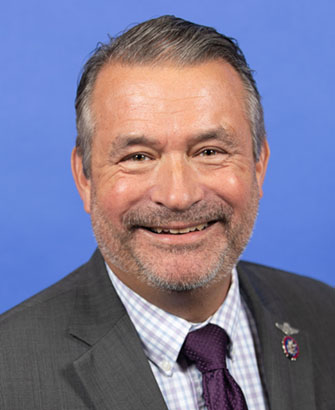
Republican Rep. Don Bacon criticized the Trump administration’s deportation efforts, saying the Trump admin has overreached on deportations. The Nebraska congressman pointed to the planned removal of Mariana, an Omaha woman with no criminal record who is scheduled to report for removal on September 18, arguing that cases like hers do not improve public safety.
Bacon’s break with the administration matters because he is not rejecting immigration enforcement outright. He supports securing the border and deporting people who pose threats, but says the current campaign is catching people whose histories and community ties call for more discretion.
Bacon draws a line on enforcement
In comments to Newsweek, Bacon said the administration was pursuing people who “make zero sense to deport.” He argued that some removals lack “common sense and humanity,” while also placing substantial blame on Congress for failing to update immigration laws.
That distinction is central to his criticism. Bacon is not arguing that immigration laws should go unenforced; he is arguing that legal authority does not settle every question about how enforcement priorities should be set.
In an opinion piece and an X post about Mariana’s case, Bacon said deporting dangerous criminals and others who threaten public safety is a “wise and popular” policy. But he said some actions had crossed into conduct he described as inhumane, indecent and “Un-Christian.”
Mariana’s case is the immediate focus
According to Bacon, Mariana came to the United States at age 16 after a difficult childhood involving trauma and instability. He described her as an honors graduate of Omaha Central High School who later earned an aviation degree from the University of Nebraska Omaha and obtained a private pilot’s license.
Bacon said a removal order followed after she missed an immigration hearing while she was still a minor. He said she had not been personally notified of that hearing, had checked in with immigration authorities annually and had received stays of removal in the past.
Those details are Bacon’s account, and the underlying immigration case is not fully laid out in the available reporting. Still, the case illustrates the concern driving his intervention: whether a person’s compliance, lack of criminal history, arrival as a minor and years of community ties should carry greater weight in removal decisions.
For immigration advocates, those factors support allowing a person to remain while seeking a legal remedy. Supporters of rigorous enforcement may counter that a final removal order cannot simply be disregarded, particularly if doing so creates unequal treatment among people with similar orders.
The White House rejects the charge
The White House disputed Bacon’s description of the administration’s approach. Spokeswoman Lauren Bis told Newsweek that the administration was enforcing laws passed by Congress and did not “pick and choose” which laws to enforce.
Bis also encouraged people in the country illegally to use the CBP Home app, which the administration says can provide a free flight home and a $2,600 payment for voluntary departure.
The exchange exposes a persistent divide in immigration politics. The administration’s position is that Congress wrote the laws and the executive branch has an obligation to carry them out. Bacon’s position is that enforcement can be lawful yet still misguided when it prioritizes cases that do not appear connected to public-safety risks.
TPS becomes part of Bacon’s argument
Bacon expanded his concerns beyond Mariana’s case to people with Temporary Protected Status, known as TPS. The program permits eligible nationals of designated countries affected by war, disasters or other extraordinary circumstances to live and work in the United States for a limited period.
He said some TPS holders who have lived legally in the country for a decade, worked, maintained clean records or married U.S. citizens should have a path to permanent residence. His argument is not that TPS should automatically become permanent, but that long-term residents meeting certain conditions deserve a clearer legal option.
That proposal points back to his larger criticism of Congress. TPS was designed as temporary protection, but lawmakers have repeatedly confronted difficult questions about what should happen when people spend years building families, careers and local roots under that status.
Enforcement activity is rising
Bacon’s comments arrive as the administration expands immigration enforcement. In July, border czar Tom Homan said Immigration and Customs Enforcement was on pace for a second consecutive record-breaking month for arrests and characterized the drive as “deportation-maxxing.”
ICE data cited by Newsweek showed 65,765 people in detention as of July 11, up from roughly 60,300 in early April. An analysis by Syracuse University researcher Austin Kocher found arrests averaged about 1,474 a day during the first 11 days of July, above June’s daily average of more than 1,300.
The reported figures also showed about 1,246 removals a day between April and July. Researchers examining the detention data said people with no criminal history represented the largest single group in ICE detention, a finding that sharpens the debate over whether enforcement is concentrating on the people the administration’s supporters most often cite as priorities.
The unanswered question is discretion
Bacon says he has spoken with the Homeland Security secretary about Mariana’s situation, but it remains unclear whether that intervention will change her scheduled removal or whether officials will grant additional relief.
It is also unclear whether his objections will gain traction with other Republicans. His criticism reflects a narrow but consequential disagreement within the party: not over whether the government can deport people under existing law, but over how much room officials should use for individualized judgment.
For now, Bacon’s stance places a Republican advocate of border security on the side of a more selective approach. His message is that a deportation campaign can be aggressive toward public-safety threats without treating every removable case as equally urgent.











Leave a Reply