
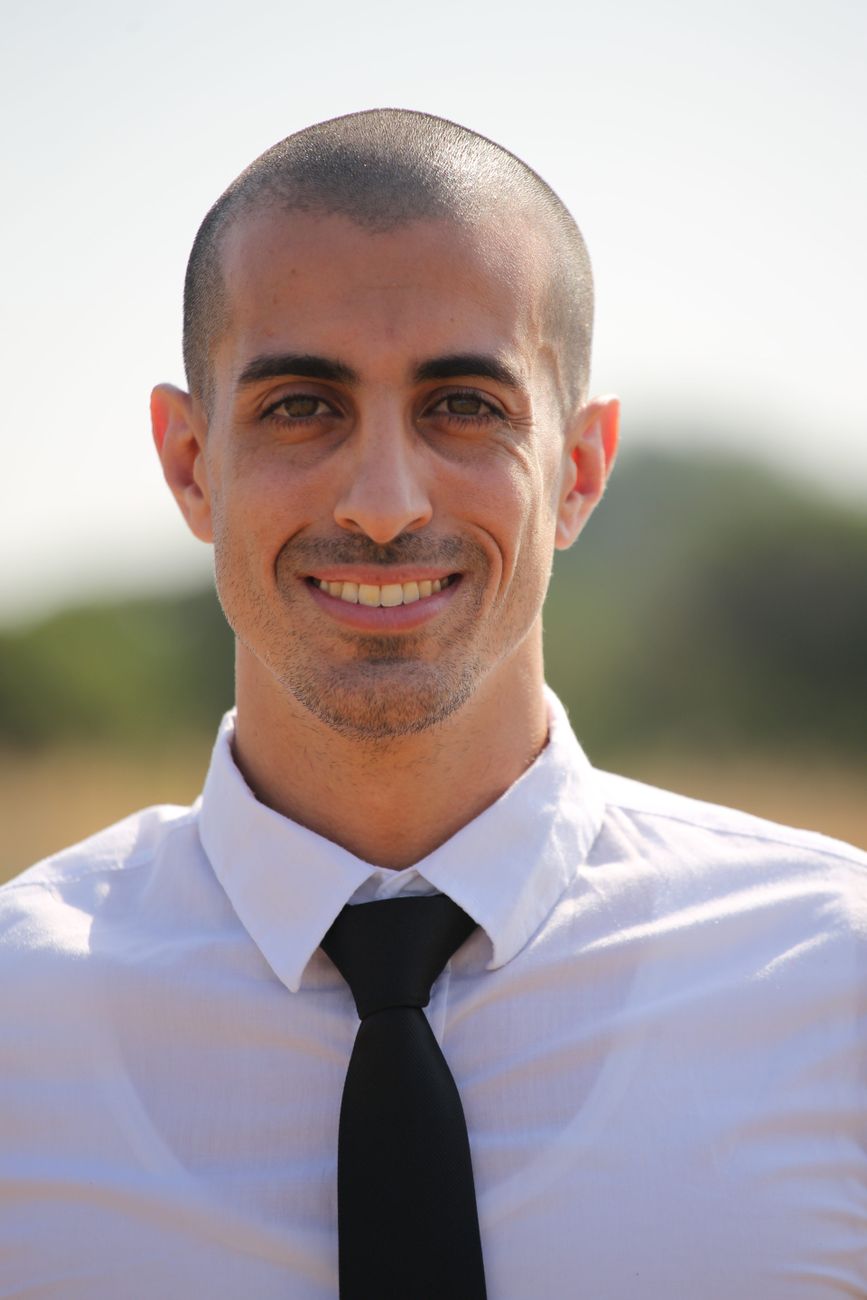
The pressure on FIFA’s president is less about one headline than a bigger question: can soccer’s most powerful official keep politics at arm’s length when the World Cup depends on governments?
Gianni Infantino is facing renewed calls for an investigation over a Trump-related controversy, putting FIFA’s president back under the kind of scrutiny that has followed much of his decade at the top of world soccer.
The pressure matters because FIFA is heading into a World Cup cycle tied closely to the United States, Mexico and Canada. When the most powerful figure in soccer is seen near the most powerful figures in politics, the question is not just whether rules were broken. It is whether the game’s watchdogs are strong enough to ask.
A governance fight before kickoff
The Telegraph reported that Infantino is facing fresh calls for an investigation connected to Donald Trump, a development that lands at an awkward moment for FIFA. The 2026 World Cup is being staged across North America, with the United States playing a central role in logistics, security, visas, commercial activity and political visibility.

No public finding of wrongdoing against Infantino has been established in the material available from the report summary. Calls for an investigation are not the same as evidence of misconduct, and they are not a disciplinary ruling.
Still, the bar for FIFA’s president is not limited to avoiding formal punishment. The organization sells itself as a global body that belongs to the sport, not to any one government. That promise becomes harder to defend when its leader is repeatedly drawn into political controversy.
The immediate issue is whether FIFA’s internal accountability system will treat the matter as serious enough to examine. For critics, that is the real test: not whether Infantino can explain his Trump ties, but whether FIFA is willing to test that explanation independently.
Why Trump changes the stakes
Infantino’s dealings with Trump are unusually sensitive because they sit at the intersection of sport, diplomacy and commercial power. FIFA needs cooperation from host governments. Host governments want the prestige and economic glow of soccer’s biggest event.
That relationship is always political, even when FIFA insists the game stands above politics. Stadium security, border access, fan movement, sponsorship zones, tax issues and broadcasting arrangements all require government support. A FIFA president cannot avoid heads of state entirely.
The problem is proximity. When official cooperation begins to look like personal alignment, FIFA risks appearing less like a neutral organizer and more like a political actor with favorites.
That is especially delicate with Trump, whose presence in global sport often turns ceremonial moments into partisan flashpoints. For FIFA, any perception of special treatment or blurred boundaries could deepen doubts among fans, players, sponsors and national associations.
Infantino has been here before
Infantino has led FIFA since 2016, after the corruption crisis that ended Sepp Blatter’s presidency and forced the organization to promise reform. He was re-elected in 2019 and again in 2023, giving him a long runway to reshape the body.
His presidency has brought growth and controversy in equal measure. FIFA has expanded the men’s World Cup, pushed new competitions and pursued major commercial opportunities. It has also faced criticism over governance, host selection, human rights questions and the concentration of power around the president’s office.
Earlier scrutiny of Infantino has not produced charges or an official finding that forced him from office. Reports and public records have described past investigations or examinations that were closed without sanction. Infantino has consistently denied wrongdoing when controversies have surfaced.
That history cuts two ways. Supporters can argue he has survived scrutiny before because accusations did not hold. Critics argue FIFA’s oversight structure has not always been independent or forceful enough to reassure the public.
FIFA’s watchdog issue lingers
FIFA’s ethics system was supposed to be one of the central reforms after the scandals of the 2010s. The idea was simple: if soccer’s leaders had too much power, independent investigators and adjudicators needed enough authority to challenge them.
That promise has been under strain for years. Infantino’s critics have repeatedly pointed to changes in FIFA’s governance machinery and the removal or replacement of ethics officials during his tenure as reasons to doubt the body’s appetite for internal confrontation.
For ordinary fans, ethics committees can sound distant. But they matter because FIFA operates on trust. The World Cup is not just a tournament; it is a multibillion-dollar system of public spending, private profit, national pride and global attention.
If the public believes FIFA investigates smaller figures aggressively but handles its own president cautiously, every major decision becomes easier to question. That includes where tournaments go, who benefits from access, and how political relationships shape the sport’s future.
The World Cup makes it bigger
The 2026 World Cup is already a complicated project. It spans three countries, dozens of cities and an expanded field of teams. The United States will be central to the tournament’s scale, and that means federal, state and local politics will be impossible to separate from operations.
Infantino has acknowledged before that access to a host country matters. During Trump’s first term, he criticized the U.S. travel ban affecting several Muslim-majority countries, saying that teams, supporters and officials who qualify for a World Cup need access to the host nation.
That earlier stance is relevant now because it showed FIFA’s president understood the risks of government policy colliding with soccer’s open-door image. The same principle applies to perceptions of favoritism or political closeness: access and neutrality are part of the tournament’s legitimacy.
Players and fans may not follow FIFA politics closely, but they feel the consequences. Visa rules, safety planning, fan zones, ticketing access and official events all shape whether a World Cup feels like a shared global festival or a tightly managed political showcase.
What still needs answers
The key unanswered question is whether FIFA’s ethics apparatus will receive or open a formal complaint, and if so, whether it will disclose enough about the process to command public confidence. FIFA often handles governance matters in a way that leaves outsiders with more suspicion than clarity.
It is also not yet clear from the available brief what specific conduct critics want investigated, what rules they believe may be implicated, or whether FIFA and Infantino have issued detailed responses to the latest calls.
That uncertainty should keep the story from being treated as a verdict. But it should not make the story vanish. A call for investigation around FIFA’s president, Trump and the World Cup host environment is news because the appearance of independence is part of FIFA’s job.
The cleanest path for FIFA would be transparency: explain what was alleged, whether any rule is in play, who will assess it, and how independence will be protected. Without that, the scandal may be less about Trump himself than about a familiar FIFA question that never quite goes away: who watches the people running the game?



Leave a Reply