
The offer is framed as money for global football. Critics see a governance test over who controls the game’s biggest events.
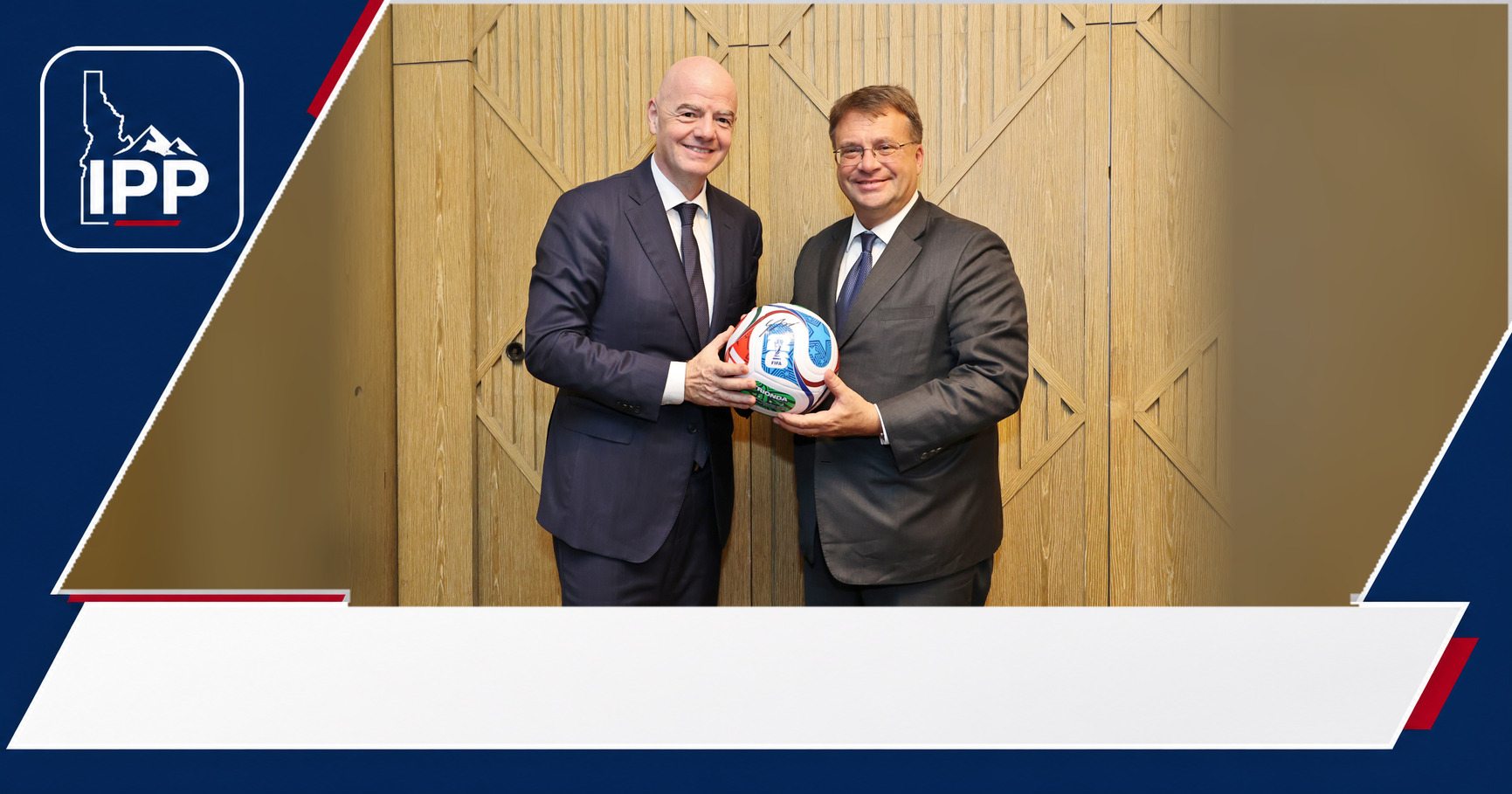
Gianni Infantino is urging FIFA member countries to support a controversial World Cup plan: countries could receive up to $30 million if they back it, while FIFA has set a deadline for accepting the plan and qualifying for the money. In a letter to all 211 member associations, Infantino said federations that respond positively by 19 September can access an initial $20m from 1 January 2027, according to BBC Sport, which reported Tuesday that the total offer is $40m, roughly £30m.
The row is over selling stakes in major FIFA competitions and creating a commercial subsidiary to run them. That makes this more than a funding dispute: it is a test of who controls the World Cup’s future revenues, and whether FIFA’s members are being invited into a deal or pushed toward one.
The money comes with a clock
BBC Sport reported that Infantino signed a five-page letter to national federations setting out the benefits of the proposal. The key incentive is immediate: member associations that answer positively by 19 September would be eligible for an initial $20m, with the money available from 1 January 2027.
The larger package, as described in the report, is $40m per association, or about £30m. For many federations, especially those outside football’s richest markets, that kind of sum could transform training centers, youth programs, women’s football, travel budgets and domestic development plans.
That is also why the offer is so politically powerful. FIFA has 211 member associations, and each one has a vote. A global governing body that can promise tens of millions to each member is not just making a commercial pitch; it is shaping the decision environment before the argument has fully played out.
Infantino’s case, according to the letter cited by the BBC, is that he has a responsibility to bring major revenue opportunities to FIFA’s members. He described such proposals as game-changing and said members need clear figures and terms to make decisions.
What FIFA wants to sell
At the center of the plan is a new commercial subsidiary designed to maximize revenue from FIFA’s biggest properties. That subsidiary would include major events such as the World Cup, and external investors would be able to buy minority stakes.
FIFA’s explanation, as reported, is that money would come from liquidating a minority portion of its stake in FIFA Forward Enterprise, the vehicle set up to expand commercial revenue. The proposal is said to have the potential to raise about $10bn.
Supporters of the idea will point to a familiar argument: the World Cup is already a giant global business, and FIFA says it needs more revenue to develop football worldwide. If outside capital can increase returns while FIFA retains control, the pitch is simple: unlock value, distribute money, grow the game.
The concern is just as obvious. Once investors own part of the machine that sells and stages the biggest competitions in football, the pressure to increase revenue does not disappear. It can intensify. That could shape match calendars, tournament formats, broadcast strategy, sponsorship deals and the balance between sporting priorities and commercial targets.
Why opponents are furious
The strongest criticism so far is not only about private capital. It is about process.
The English Football Association said it was completely unaware of the proposal and had no substantive details, including what the proposition actually is or what conditions are attached. The FA said it was deeply concerned about the lack of process and governance, based on the limited information available.
UEFA went further, saying the plans crossed a line. The European governing body is planning an emergency meeting of its 55 members, according to the BBC report, to discuss a response. Given the scale of opposition, the idea of a boycott being raised is not far-fetched, though it remains unclear what any coordinated action would look like.
Concacaf, the governing body for North and Central America and the Caribbean, also criticized the lack of due process. Its statement said this level of detail should not have been designed and shared publicly before discussion with the relevant governance bodies and stakeholders.
The politics inside FIFA
One of the most striking claims in the BBC report is that some of FIFA’s own vice-presidents were left in the dark about the proposal. FIFA has suggested Infantino gave a broad outline at a council meeting before the World Cup final, but some people present reportedly rejected that characterization, saying they heard only a general vision about maximizing revenue.
That matters because FIFA is not a private company run by a chief executive with a conventional board mandate. It is the global governing body of football, and its legitimacy depends heavily on member consent, transparent governance and the perception that big decisions are not pre-cooked.
The offer to federations complicates that picture. Smaller associations may see the money as long-overdue redistribution from football’s most valuable asset. Bigger federations and confederations may see it as a way to secure consent before enough details are public.
Both readings can be true at once. Development money is real. So is the concern that a short acceptance deadline can tilt the field before critics have had time to assess the commercial and legal consequences.
Why the World Cup is different
FIFA has explored expansion and revenue growth before, including the previously floated idea of holding the World Cup every two years. That proposal drew strong resistance, especially from UEFA, because it threatened to reshape the football calendar and dilute the tournament’s status.
This fight lands in the same territory but cuts deeper. A tournament format can be changed again. A commercial stake sold to investors can create long-term obligations, expectations and rights that are harder to unwind.
The World Cup is FIFA’s crown jewel. It funds much of the organization’s work and gives FIFA its central power in the sport. Any change to how that asset is owned, monetized or governed is bound to trigger a fight between the promise of fresh money and the fear of losing control.
There is also a sporting leverage problem. UEFA represents only part of FIFA’s membership, but European teams account for many of the sport’s biggest markets, stars, broadcasters and recent contenders. If Europe resists, the commercial value of FIFA’s events could be affected. If smaller federations line up behind the payout, UEFA may find itself outnumbered politically even if it has major market power.
What remains unanswered
The biggest missing pieces are the conditions attached to the money, the rights investors would receive, the length of any arrangement, and how much control FIFA and its members would retain over competitions placed inside the subsidiary.
It is also unclear whether the 19 September deadline will hold under pressure. FIFA may argue that members need clarity and a defined timetable. Critics will argue that a decision involving the World Cup’s commercial future deserves full documents, independent scrutiny and proper debate before federations are asked to opt in.
The immediate fight is over a payout. The larger question is whether FIFA’s members believe Infantino is offering them a share of a bigger future, or asking them to bless a privatization plan before they know its full cost.
That is why this story is moving so quickly. For federations, $30m can be life-changing. For world football, the price of taking it may be much higher than the number on the page.



Leave a Reply