

The dispute is not just a personality fight. It puts a Missouri radiation-exposure aid plan against GOP concerns over cost, spending discipline and Senate leadership control.
Josh Hawley rebuked Mitch McConnell’s team, and Josh Hawley demanded answers for voters, after Hawley said McConnell’s side helped remove his radiation-compensation priority from a major defense bill. The political dispute between Hawley and McConnell matters because it joins two volatile fights inside the Senate GOP: who controls the agenda, and who gets federal help when the price tag is large.
At issue is Hawley’s push to reauthorize and expand compensation for people exposed to radioactive waste tied to the Manhattan Project and early atomic testing. Reporting from The Hill described a clash over policy, cost and power, with Hawley pressing for accountability and McConnell’s allies defending the decision as a budget concern.
A local claim became national
Hawley’s case begins in Missouri, where residents around St. Louis have long sought federal recognition and aid for exposure to improperly stored nuclear waste left from the World War II weapons program. His proposal sought to broaden the Radiation Exposure Compensation Act, known as RECA, so more affected families could qualify.
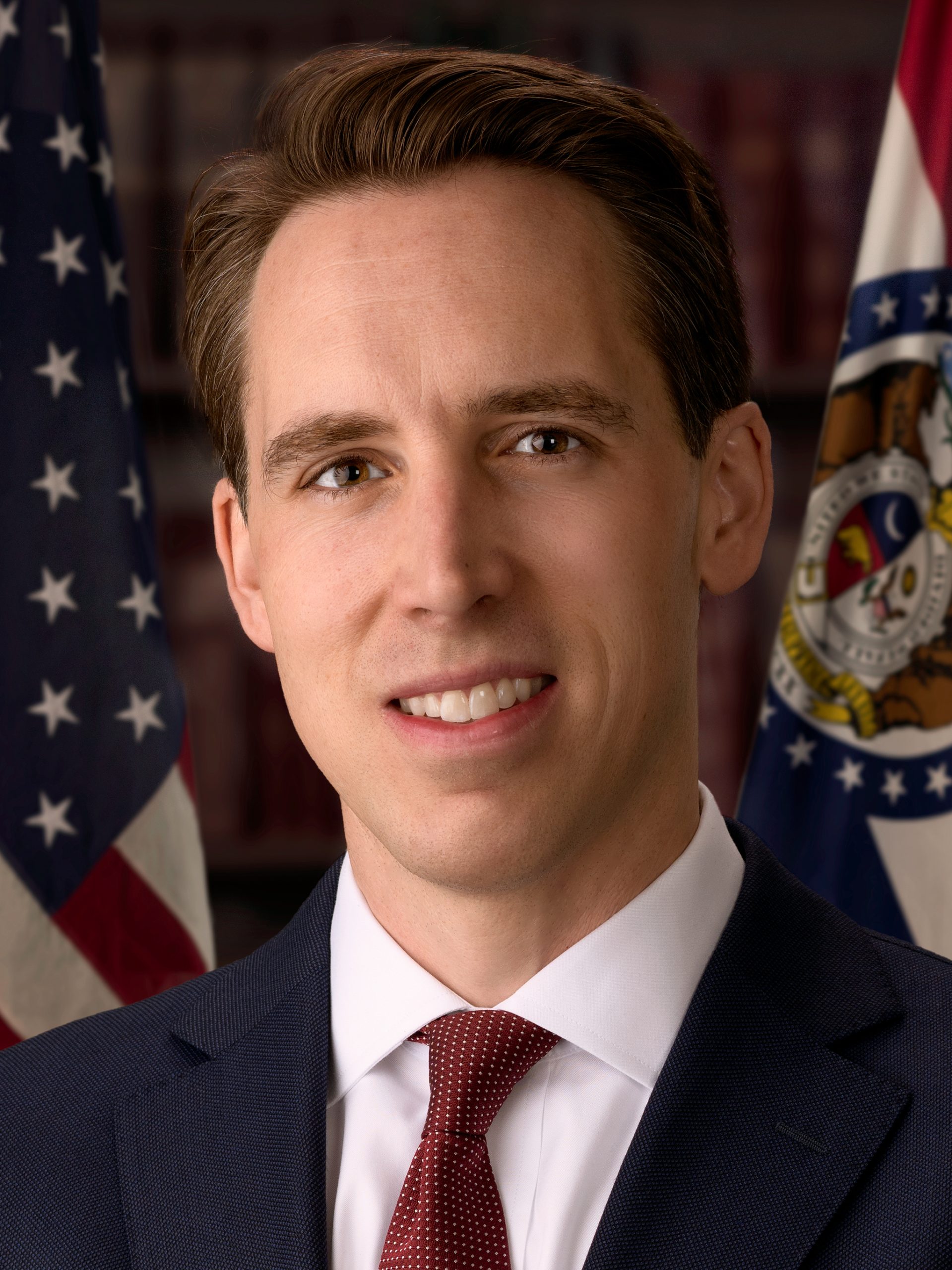
The measure was not a fringe idea in the Senate. The Hill reported that the Senate voted 61-37 in late July to include Hawley’s amendment in the annual defense bill, suggesting it had real bipartisan support before the final negotiations.
That is why Hawley’s anger landed with more force. If senators had already voted to attach the provision, he argued, voters deserved to know why it was stripped later behind closed doors.
The dispute also widened beyond Missouri. President Biden had endorsed the broader push because it would also help people exposed to radiation in New Mexico from the 1945 test of the first atomic bomb, according to The Hill’s account. Hawley introduced the plan with Democratic Sen. Ben Ray Luján of New Mexico and Republican Sen. Mike Crapo of Idaho.
Why Hawley blames McConnell
Hawley has said McConnell was opposed from the start of the final negotiations over the defense bill. In The Hill’s reporting, Hawley said Senate Majority Leader Chuck Schumer told allies that McConnell wanted RECA out before the so-called Four Corners talks among congressional leaders had even begun.
Hawley’s core complaint is procedural as much as substantive. He says the people affected by radiation exposure were not simply denied money; they were denied a clear explanation from the Senate power structure.
He also connected the fight to Washington’s spending choices. Hawley criticized Congress for moving toward billions in new Ukraine funding while, in his view, refusing to provide far less for families in and around St. Louis suffering from contamination linked to a federal weapons project.
To protest the decision, Hawley delayed a vote to advance the defense bill and then offered a motion to table the bill altogether. That motion failed 73-26, showing that his effort drew attention but did not come close to stopping the legislation.
McConnell allies cite the cost
McConnell’s side has framed the issue differently. According to The Hill, McConnell’s allies said Hawley’s proposal would have created a major unfunded mandate, and a Senate GOP aide put the cost at more than $100 billion over 10 years.
Hawley disputed that number and said it mischaracterized the actual cost of compensating Missouri radiation victims. He also said he submitted a revised version that cut $100 billion from the 10-year cost and later offered more than $20 billion in offsets, or pay-fors.
A Senate GOP aide told The Hill that Hawley’s proposed offsets did not satisfy other committees. Speaker Mike Johnson, who has emphasized deficit reduction, also opposed the proposal, according to the same reporting.
That leaves two competing readings of the same event:
- Hawley’s view: Senate leaders overrode a bipartisan vote and left affected voters without answers.
- McConnell allies’ view: the proposal carried a large cost and lacked acceptable offsets.
- The unresolved question: whether cost was the decisive objection, or whether Hawley’s history with McConnell made the provision politically easier to kill.
The feud behind the policy
The Hawley-McConnell relationship was already strained before the RECA fight. Hawley backed Sen. Rick Scott’s failed challenge to McConnell’s leadership after the 2022 midterms, when Republicans lost a Senate seat and remained in the minority.
Hawley argued then that the party needed a different approach to working-class and independent voters. That critique put him squarely against McConnell’s leadership style and the old Republican Senate machine.
McConnell, meanwhile, has long represented the institutional wing of the party: careful on spending, focused on Senate procedure and deeply tied to campaign infrastructure. The Hill reported that McConnell had previously warned Republican senators against backing a Hawley-sponsored campaign-finance bill and referenced the Senate Leadership Fund, an outside political group aligned with him.
That history is why the RECA dispute reads as more than a fight over one amendment. It is also a proxy battle over whether younger populist Republicans can force leadership to answer for decisions made in private negotiations.
Voters are the pressure point
Hawley’s strongest political ground is not inside the Senate cloakroom. It is with voters who believe the federal government caused or worsened their health risks and then moved too slowly to compensate them.
For those families, the fight over offsets can sound remote. RECA was signed into law decades ago to compensate people harmed by nuclear weapons development and testing. Hawley’s argument is that renewing and expanding that kind of mandatory compensation should not be treated like a new pet project when the exposure came from federal activity.
Fiscal conservatives see a different danger. If Congress expands compensation without firm limits, they argue, lawmakers could create a costly entitlement while using a must-pass defense bill to avoid a fuller budget debate.
Both points have political force. The moral claim is direct: people harmed by government-linked contamination deserve help. The fiscal claim is also real: Congress must explain how far the program extends, who qualifies and how much taxpayers will be asked to cover.
What remains unanswered
The immediate rebuke may be aimed at McConnell’s team, but the larger accountability question belongs to the Senate. If a provision passes with bipartisan support and then disappears in final talks, voters are left to infer what happened from leaks, aides and public accusations.
Hawley wants McConnell to meet with advocates for Missouri families. That would not resolve the cost debate by itself, but it would put the human stakes in front of the leaders who decide what survives in a final bill.
The next test is whether supporters can rebuild a coalition around a narrower or better-offset version of the compensation plan. If they can, McConnell’s camp will face pressure to explain whether the objection is dollars, design or something else.
The clean takeaway is this: Hawley’s demand for answers is politically useful for him, but it also points to a real transparency problem. When leadership negotiations erase a benefit already backed by senators, affected voters deserve more than a shrug and a final vote count.







Leave a Reply