
The accusation is not just another cable-news jab. It points to a larger federal-state battle over Medicaid money, oversight and who gets blamed when the system leaks cash.
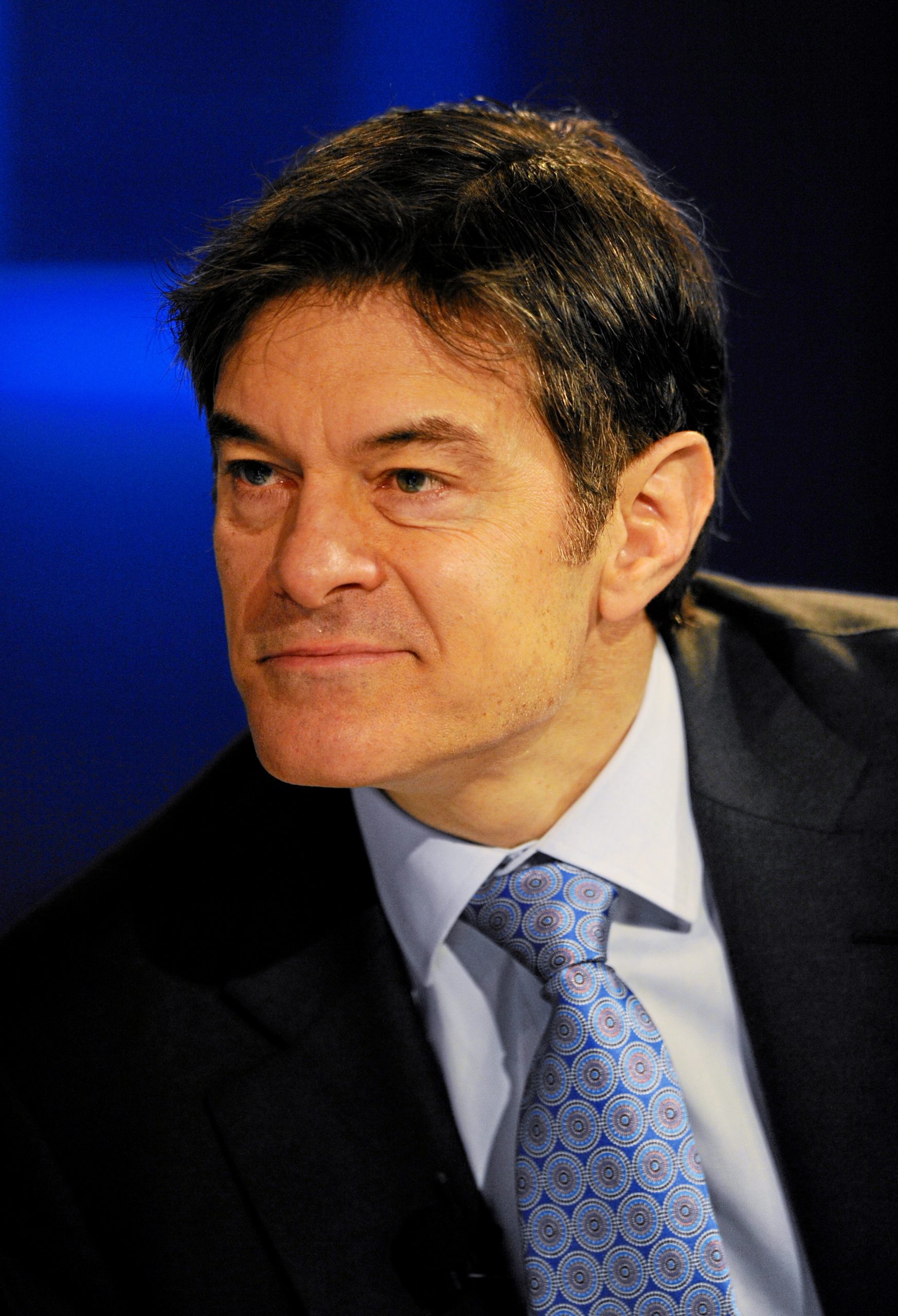
Dr. Mehmet Oz is turning Medicaid fraud into a political pressure test for Democratic governors, and he is putting California Gov. Gavin Newsom near the center of it.
In an interview with Fox News Digital, Oz, who leads the Centers for Medicare & Medicaid Services under President Donald Trump, accused some blue states of treating fraud not as a failure to fix, but as a system that benefits them. The claim matters because it is tied to a reported federal cut of more than $1.3 billion in California Medicaid reimbursements and a broader Trump administration push to police benefit programs.
Oz makes a sharper accusation
Oz’s central charge was blunt: Medicaid fraud has become a “feature” in some Democratic-led states. He argued that states can use Medicaid-funded care programs to draw down federal reimbursements, pay workers through those programs and then benefit economically from the arrangement.
According to Fox News Digital, Oz described the practice as something people call “Medicaid-ing it.” His argument was not limited to isolated scammers or billing schemes. He framed the alleged abuse as a state-level incentive problem, where government programs, labor arrangements and federal reimbursements all reinforce one another.
That is a much bigger claim than saying a few providers billed for services that never happened. Oz is accusing state leaders of tolerating, or at least failing to seriously confront, arrangements that he says exploit Medicaid’s federal matching structure.
It is also a politically loaded claim. Medicaid is jointly funded by the federal government and states, and it covers low-income adults, children, people with disabilities, pregnant women and many seniors who need long-term care. Any accusation that a state is mishandling the program quickly becomes a fight over money, health coverage and who controls the rules.
Why California drew the spotlight
Oz singled out Newsom as a governor who, in his view, had warnings and did not act aggressively enough. Fox News Digital reported that Oz claimed California had been told by its own auditors years ago that fraud was widespread and needed action.
Oz accused the state of doing “performative” work rather than taking the steps he believes were necessary to stop abuse. The Fox report did not include a direct response from Newsom in the extracted account, and it did not lay out the specific audit findings Oz was referencing in detail.
That missing context is important. Fraud warnings can cover different problems: provider billing, eligibility checks, managed-care oversight, home-care services, documentation errors or outright criminal schemes. Those are not all the same thing, and they do not all point to the same policy fix.
Still, California is an obvious target in a national Medicaid fight. It runs one of the country’s largest Medicaid programs, known as Medi-Cal, and its size means even a small error rate can involve enormous sums. For a federal administrator looking to make a point about oversight, California is a high-visibility example.
The $1.3 billion pressure point
The most immediate stake in Oz’s comments is money. Fox News Digital reported that the Trump administration cut more than $1.3 billion in California Medicaid reimbursements after raising concerns about fraud and improper payments.
Oz said federal officials could not understand where the money was going and had a responsibility to protect taxpayers. He cited concerns about payments for people who were not eligible, services for people who did not exist and providers or workers who had not been properly authenticated.
Those are serious categories of potential abuse. They are also categories that require documentation. A reimbursement cut of that size can trigger disputes over evidence, state compliance, federal authority and whether the withheld money affects providers, state budgets or people who rely on Medicaid-funded care.
That is why this fight may not stay rhetorical. If California challenges the cut or demands more detail, the administration would likely have to show how it calculated the amount, what programs were involved and what corrective actions it expects from the state.
Medicaid’s design fuels the fight
Medicaid is built on a partnership that is often tense even in calmer political times. States administer the program, but the federal government pays a large share of the cost and sets baseline rules. That structure creates constant friction over eligibility, audits, waivers, reimbursements and enforcement.
Fraud in Medicaid can take many forms. It can involve providers billing for services they did not deliver, patients being enrolled improperly, agencies exaggerating costs or organized schemes using stolen identities. Some cases are criminal. Others are administrative failures or policy disputes over whether a payment should have been allowed.
Oz is trying to collapse that complexity into a political argument: states have incentives to keep federal money flowing, and some leaders are not motivated enough to stop questionable spending. His critics would likely argue that broad fraud language can be used to justify cuts that threaten legitimate care.
Both things can be true at once. Medicaid fraud exists and can drain public money. But anti-fraud campaigns can also become blunt instruments if they do not separate criminal conduct from paperwork mistakes, state policy disagreements or eligibility rules that federal and state officials interpret differently.
The union claim raises stakes
Oz also added a political-finance argument. He claimed that workers paid through Medicaid-related service programs can become unionized, that union dues can help fund political action, and that Democrats benefit from that cycle.
That claim turns the Medicaid debate into more than a budget dispute. It links health-care spending to labor power and campaign politics, two areas where Republicans and Democrats already have deep disagreements.
It is a potent message for conservative audiences because it suggests taxpayers are not only funding improper health-care spending, but also indirectly strengthening Democratic political networks. It is also the kind of charge that demands evidence, because Medicaid-funded labor programs include real workers who provide care to people with disabilities, seniors and low-income patients.
The more Oz leans into that argument, the more the debate shifts from fraud enforcement to the political economy of Medicaid. That may energize the administration’s supporters, but it may also make states less likely to treat the effort as neutral oversight.
What remains unanswered
The Fox interview points to a larger enforcement push, including a federal anti-fraud task force associated with Vice President JD Vance. Oz urged governors to align with the president’s effort and argued that fraud persists when officials with the power to stop it fail to work together.
The next phase depends on whether the administration releases more specifics and whether California responds with its own accounting. For readers, the key questions are concrete:
- Which California Medicaid programs are tied to the $1.3 billion reimbursement cut?
- What audit findings or federal reviews support the administration’s action?
- How much of the disputed money involves alleged fraud versus eligibility or documentation problems?
- Will providers, care workers or beneficiaries feel any disruption if the funding fight continues?
- Does California plan to challenge the cut or negotiate corrective actions with CMS?
Oz’s accusation is designed to land hard: blue states, federal money, fraud and Newsom all in one frame. But the durability of the claim will depend less on the phrase “feature” than on the paper trail behind it.
If the administration can show detailed evidence of improper spending, the fight could become a major test case for Medicaid oversight nationwide. If it cannot, the clash may look more like a political attack on a governor who is already a frequent Republican target. Either way, the battle over Medicaid fraud is now also a battle over who gets to define waste, accountability and the limits of federal power.





Leave a Reply