
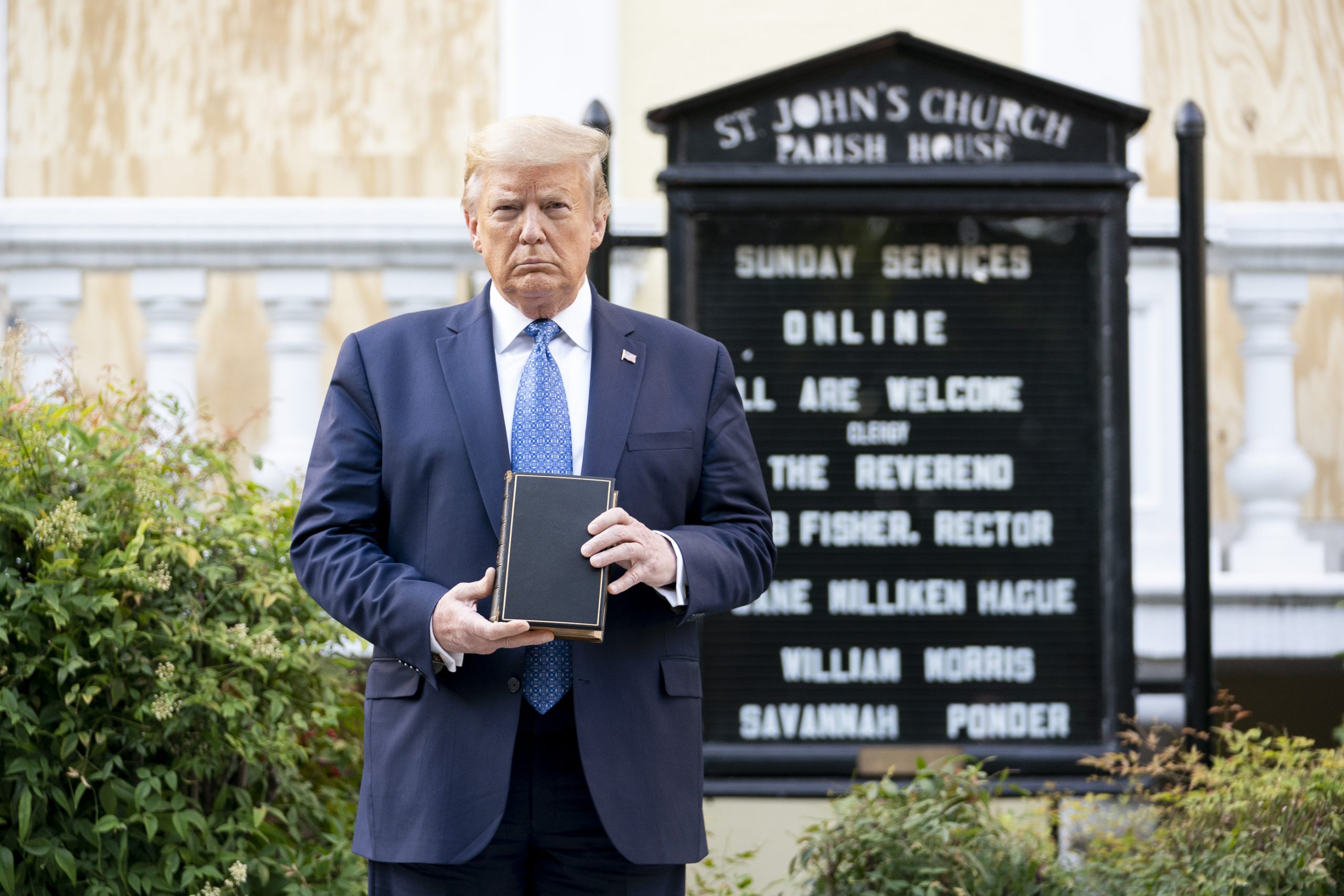
The debate is not just whether Trump can claim immunity. It is whether court filings, official records and alleged private conduct leave prosecutors a map if that shield no longer applies.
A July 24 Raw Story opinion makes a blunt claim: Donald Trump is leaving a criminal paper trail, his immunity is running out, and the article is an opinion about how presidential immunity may no longer protect him from criminal prosecution.
The stakes are legal, not just rhetorical. Trump has argued for presidential immunity while trying to dismiss an indictment and while facing criminal cases or investigations. The larger question is whether records created in court, government files and public conduct could outlast his strongest defenses.
Immunity is not a delete key
The Supreme Court’s July 1, 2024 decision in Trump v. United States changed the legal terrain, but it did not give former presidents blanket protection from all criminal prosecution.
The court held that a president has absolute immunity for core constitutional powers and at least presumptive immunity for other official acts. It also said there is no immunity for unofficial conduct.
That distinction is why the “paper trail” argument matters. If prosecutors can frame conduct as private, campaign-related or otherwise unofficial, immunity may not block the case. If Trump’s lawyers can frame the same conduct as presidential, the analysis changes.
So the fight is not simply over whether documents exist. It is over what category those documents fall into.
The court record keeps expanding
Trump’s criminal exposure has been unusually document-heavy because much of it has played out in public court files. The Department of Justice’s federal election case, United States v. Donald J. Trump, alleged that Trump and unnamed co-conspirators used knowingly false claims of election fraud to pressure state legislators and election officials.
Those are allegations, not findings of guilt. Trump has denied wrongdoing and has repeatedly described the prosecutions against him as politically motivated.
Still, indictments, motions, letters and rulings create a record that can be used to test competing legal claims. Prosecutors point to dates, statements and alleged acts. Defense lawyers point to office, authority and constitutional structure.
That is the paper trail in its practical form: not a smoking-gun cliché, but a stack of filings that forces everyone to specify what happened, when it happened, who was involved and whether the act was official or private.
Three records matter most
The current debate draws from several public legal records, each with a different role in the immunity fight.
- Supreme Court ruling: Trump v. United States set the framework for official-act immunity and sent courts back to sort which alleged conduct qualifies.
- Federal election indictment: The Justice Department’s indictment alleged a pressure campaign involving false election-fraud claims aimed at state officials and others.
- Classified-documents indictment: A separate Justice Department superseding indictment said the FBI opened a criminal investigation on March 30, 2022, into classified records issues.
- New York criminal docket: New York Courts’ public page for People v. Donald J. Trump lists extensive filings, including immunity motions, evidence materials, rulings and post-trial letters.
Together, they show why Trump’s legal posture is so complicated. One case asks what a president may do while in office. Another concerns records after leaving office. The New York matter involves state criminal proceedings and post-trial immunity arguments.
Trump’s defense has a real argument
It is easy to flatten the immunity debate into a partisan slogan. The actual doctrine is more serious.
Supporters of broad presidential immunity argue that presidents must be able to make difficult decisions without fearing later criminal charges from political opponents. If every disputed official act can become a prosecution after a president leaves office, they warn, the presidency itself becomes weaker.
That concern carried weight at the Supreme Court. The majority’s ruling was built around protecting the executive branch from being second-guessed through criminal law.
Trump’s lawyers have leaned into that principle. Their strongest position is that many actions prosecutors describe as suspicious were tied to his role as president, his communications with officials or his duty to ensure election integrity.
Prosecutors see a narrower shield
The opposing view is that immunity cannot become a license for private political activity. Critics of Trump’s position argue that running for reelection, pressuring campaign-adjacent actors or allegedly advancing false claims for personal political benefit are not core presidential functions.
That is where the public record can become powerful. A filing that looks routine in one context can become important if it helps a court separate official government work from campaign or personal conduct.
The Supreme Court ruling made that sorting process harder, not easier. Courts must now examine whether alleged acts are official, whether presumptive immunity can be overcome and what evidence prosecutors may use.
That means the same paper trail can cut both ways. It can give prosecutors a factual roadmap. It can also give Trump’s lawyers a basis to argue that a case is constitutionally barred.
What remains unsettled
The Raw Story opinion’s sharpest claim is that Trump’s confidence may be creating future legal risk. That is an argument, not a court ruling.
What is clear from primary records is that Trump’s legal defenses are being built in writing, case by case. The Supreme Court created a protective doctrine, but not an all-purpose escape hatch. Public indictments and dockets continue to define the battlefield.
The unresolved issue is how courts would classify contested conduct if prosecutors again try to move forward: official act, unofficial act, campaign act or private act. That classification could decide whether immunity blocks prosecution or whether the record becomes usable evidence.
The clean takeaway is this: Trump’s immunity fight is no longer just about power in the abstract. It is about documents, dates, allegations and legal categories. If the shield weakens, the paper record may matter more than the political noise around it.






Leave a Reply