

The actor’s public life has narrowed since his family announced his aphasia and later frontotemporal dementia diagnosis. A brief outing now carries meaning because it is one of the few ways fans see how he is being cared for.
Bruce Willis made an extremely rare public appearance, an ultra-rare outing reported by Hello! US and surfaced to MSN readers amid Bruce Willis’s health battle with frontotemporal dementia. Willis makes so few appearances now that even a brief sighting carries weight: it gives fans a current glimpse of the Die Hard actor while underscoring how far his life has shifted since his family disclosed his diagnosis.
The moment should not be read as a comeback, a medical update or proof of how Willis is doing day to day. It is better understood as a small public glimpse of a star whose family has carefully limited exposure since his retirement from acting.
A rare sighting, not a comeback
The appearance matters because Bruce Willis has largely stepped away from the public rhythm that once defined his career: premieres, press tours, interviews and highly visible Hollywood events. Since his family announced in 2022 that he was leaving acting because of aphasia, sightings have been sporadic and usually filtered through family posts or brief public moments.
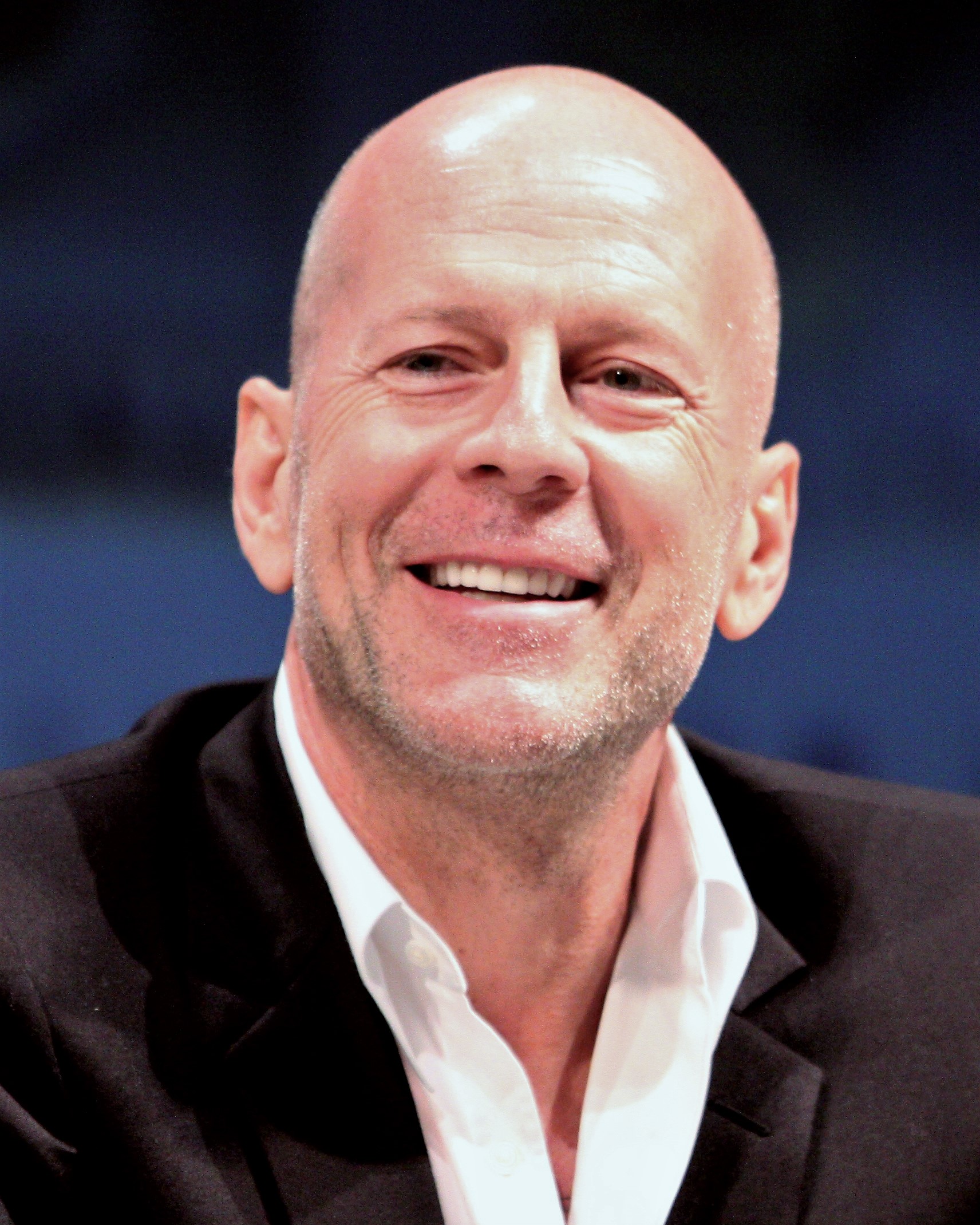
Hello! US framed the latest outing as an ultra-rare public appearance amid his health battle, which is why it quickly drew attention. For longtime fans, any new image or sighting of Willis arrives with a mix of affection, concern and curiosity.
That attention can be understandable without turning the moment into a diagnosis from afar. There is no responsible way for outsiders to assess the progression of a neurological condition based on a photograph, a short clip or a description of an outing.
What can be said is simpler: Willis remains a deeply recognizable figure, and his absence from ordinary celebrity visibility has made each public moment feel unusually significant.
The diagnosis changed his public life
Willis’s family first said in March 2022 that he had been diagnosed with aphasia, a condition that can affect a person’s ability to speak, understand language, read or write. At the time, the family said he would step away from the career that had made him one of Hollywood’s most durable action stars.
In February 2023, Reuters reported that his family said his condition had progressed to frontotemporal dementia, often shortened to FTD. The update reframed the earlier aphasia diagnosis, making clear that Willis was dealing with a broader and progressive neurological disease.
That announcement also changed the tone of public interest. Before, many fans were asking whether Willis might return to acting. After the FTD disclosure, the focus moved toward his comfort, his family’s role and the challenge of preserving dignity for someone who spent decades in the spotlight.
His film legacy is already secure. The more sensitive question now is how much of his current life should be public at all.
What FTD can affect
Frontotemporal dementia is not one single symptom and it is not the same as ordinary forgetfulness. The Medical University of South Carolina has described FTD as an umbrella term that can involve changes in behavior, personality, problem-solving and language, depending on which parts of the brain are affected.
MUSC neurologist Nicholas Milano explained in 2023 that one form, primary progressive aphasia, is a disease of language. Because Willis had previously been reported to have aphasia, Milano said he could not know the details of Willis’s case but noted that the public information suggested a possible fit with that language-related form.
The condition is especially difficult for families because it can appear before the age many people associate with dementia. MUSC described FTD as rare and often earlier-onset compared with other forms of dementia.
There is no cure or proven way to slow the progression of FTD, according to MUSC’s explanation. Care often involves making the person comfortable and supported, with help from specialists such as neurologists, speech therapists and psychiatrists.
His family controls the window
The public has mostly seen Willis through the people closest to him: his wife Emma Heming Willis, his former wife Demi Moore and his daughters. Their posts and statements have offered controlled glimpses without turning his condition into a spectacle.
That balance is hard. Families of public figures often face pressure to share enough to stop speculation, but every update can create a new wave of scrutiny. In Willis’s case, the family has generally used direct, plain language while asking for compassion.
They have also kept the emphasis on togetherness. Photos and tributes shared by relatives have tended to show birthdays, family gatherings and quiet moments rather than medical details.
That approach has helped set a boundary: fans can care about Willis without being entitled to every detail of his condition.
Why fans read so much into it
Part of the reaction comes from the particular place Willis holds in pop culture. He was not just a movie star; he became a shorthand for a certain kind of bruised, funny, reluctant hero, from John McClane in Die Hard to roles in Pulp Fiction, The Sixth Sense and Moonrise Kingdom.
Seeing a performer associated with sharp timing, physical confidence and verbal wit face a condition that can affect communication is emotionally jarring. It makes the diagnosis feel personal to people who never met him but grew up with his work.
That emotional connection is why a rare public appearance can travel so quickly online. It is not only celebrity curiosity. It is also a reminder that illness can redraw the boundaries of a life, even for someone once seen as nearly indestructible on screen.
Still, there is a tension in that attention. Public affection can easily slide into invasive inspection, especially when health is involved. The most respectful reading of the latest sighting is that fans are seeing a private man in a public moment, not a public figure offering a full update.
What remains unclear
The latest appearance does not answer the questions many fans may have about Willis’s daily condition, treatment, communication or prognosis. Nor should it. Those details belong first to Willis and his family.
What the sighting does show is the continuing interest in how beloved entertainers are treated after they leave the stage. Willis’s case has helped bring more attention to aphasia and frontotemporal dementia, conditions many people had heard little about before his family spoke publicly.
It has also made visible the role of caregivers. Emma Heming Willis has spoken in broader terms about caregiving and dementia awareness, and the family’s public posture has reflected the reality that serious illness affects more than the person diagnosed.
For now, the cleanest takeaway is also the most humane one: Bruce Willis’s rare public appearance is notable because he is rarely seen, not because it unlocks a new chapter in his career or a definitive medical update. His health battle remains ongoing, and the people closest to him appear determined to keep the focus on care, privacy and dignity.







Leave a Reply