

The donations draw headlines, but their real power can be in what follows: more attention, more trust and a stronger culture of giving around historically Black colleges.
Black celebrities gave millions to their HBCUs, and the checks were only part of the story. The broader impact of celebrity giving on HBCUs — Historically Black Colleges and Universities — is showing up in scholarships, recruiting, alumni pride, endowment conversations and public attention at a moment when these schools are competing for dollars and visibility.
The money matters. But celebrity giving also works as a signal: these institutions are worth investing in, not just celebrating during homecoming, awards speeches or viral campus visits.
Why the check is not enough
Large gifts to HBCUs tend to travel farther than the amount printed on a ceremonial check. A seven-figure donation can fund scholarships, clear student balances, support academic programs or strengthen an endowment. It can also change who is paying attention.
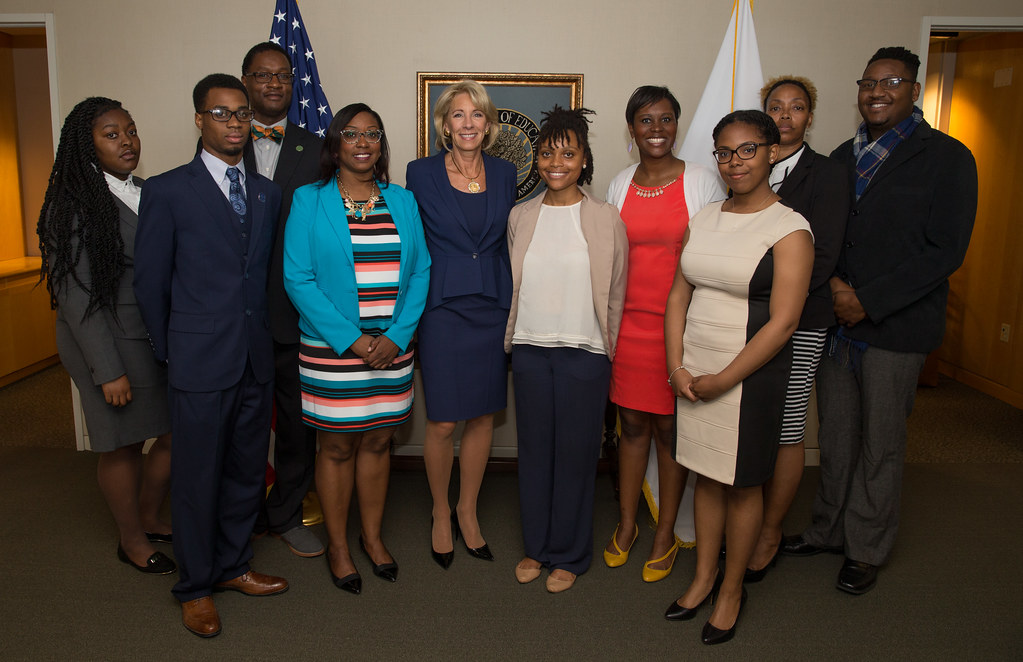
That second effect is harder to measure but difficult to ignore. When a famous graduate or supporter publicly gives back, the school receives a burst of cultural capital along with cash. Prospective students see success tied to the institution. Alumni are reminded that giving does not have to wait until retirement. Corporate partners and foundations see a school with momentum.
For HBCUs, that attention can be especially valuable because many have long operated without the same accumulated wealth, donor pipelines and institutional endowments that older predominantly white institutions built over generations. A celebrity gift does not erase that gap, but it can help widen the circle of people willing to give.
That is why the most meaningful HBCU philanthropy is rarely just a single transaction. It is a public endorsement, a recruitment tool, a challenge to other donors and, at its best, a long-term relationship.
Visibility can become capital
Celebrity philanthropy works partly because fame converts attention into action. A donation from a recognizable entertainer, athlete or media figure can push an HBCU into conversations far beyond higher-education circles.
That visibility has practical value. It can lift fundraising campaigns, raise the profile of specific scholarships and give students a new way to talk about their school. For smaller institutions, a high-profile donor may introduce the campus to people who had never considered supporting an HBCU before.
There is also a cultural layer. HBCUs are not just colleges; they are legacy institutions tied to Black professional life, civic leadership, arts, education, medicine, politics and entrepreneurship. When Black celebrities give back, they are often affirming that the institution helped create the path they now walk.
That affirmation can be powerful for students. It says success does not require distancing yourself from the place that shaped you. It can also turn giving into a form of storytelling: here is where I came from, and here is why it still matters.
Restrictions shape real impact
The size of a donation gets the headline, but the structure often determines its usefulness. Schools can do more with gifts that align with their own priorities, especially when money can be used for urgent needs that are not always glamorous.
That point has become central in broader discussions about HBCU philanthropy. Indiana University’s Lilly Family School of Philanthropy has examined MacKenzie Scott’s giving to HBCUs as a major example outside the celebrity-alumni lane. Scott had given at least $560 million to 23 historically Black colleges and universities, according to the school’s analysis, and many institutions described the gifts as historic.
What made those gifts notable was not only the amount. Scott’s approach was largely unrestricted, meaning schools could decide how to use the money rather than follow a donor’s narrow instructions. For colleges managing complex needs — student aid, faculty hiring, facilities, technology, reserves — flexibility can be as important as generosity.
The same lesson applies to celebrity giving. A restricted scholarship can be life-changing for the students it reaches. An unrestricted gift can help a school move quickly where leadership sees the greatest need. Neither model is automatically better, but the terms matter.
A legacy larger than fame
HBCUs have always had to navigate the politics of philanthropy. The Lilly Family School of Philanthropy’s historical work notes that early white funders often tried to steer Black education toward vocational training and away from broader liberal arts ambitions. That history still shadows modern conversations about who gives, who decides and whose vision shapes Black institutions.
That is one reason Black celebrity giving lands differently for many supporters. It can feel less like outside rescue and more like return, repair or stewardship. Alumni giving, in particular, carries a message of ownership: the school is not a charity case; it is a source of power that deserves investment.
Legacy giving is the deeper version of that idea. It is not limited to a public check presentation. It can mean endowed scholarships, recurring annual gifts, mentorship programs, internship pipelines, estate gifts, board service or fundraising that brings new donors into the fold.
For famous graduates, legacy giving also protects the relationship from becoming a one-day news cycle. A sustained commitment can help an HBCU plan, not just celebrate.
The limits of star giving
There is a fair critique of celebrity philanthropy: it can make structural problems look like individual opportunities for generosity. HBCUs do not need only viral moments. They need reliable funding, strong alumni participation, public investment, research support and philanthropic partnerships that respect institutional leadership.
A celebrity gift can inspire. It cannot substitute for a state budget, a federal program, a broad alumni base or decades of endowment growth. It can also unintentionally create a distorted picture if the public assumes a school is suddenly flush because one famous donor made a large gift.
There is another tension: public donations can become branding moments. That does not make them meaningless. Motives in philanthropy are often mixed. The better question is whether the gift is useful, respectful and connected to ongoing support.
HBCU leaders are usually balancing all of this in real time. They want high-profile support, but they also need donor relationships that do not dictate the school’s mission or reduce it to a feel-good headline.
What sustained support looks like
The strongest version of celebrity giving to HBCUs is not just bigger checks. It is a stronger ecosystem. That means major donors, modest alumni gifts, corporate partnerships, foundations and everyday supporters all moving in the same direction.
Readers often focus on the celebrity number because it is easy to understand. Millions of dollars sounds transformative, and sometimes it is. But the quieter details can be just as important:
- Scholarships can keep students enrolled when finances threaten to interrupt a degree.
- Endowed funds can support students or programs year after year.
- Unrestricted gifts can give presidents and trustees room to solve immediate problems.
- Public endorsements can help schools recruit students, partners and future donors.
- Recurring commitments can turn a headline gift into institutional stability.
The clearest takeaway is that Black celebrities giving millions back to HBCUs should not be viewed only as generosity from the famous. It is part of a larger conversation about legacy, power and who gets to build the future of Black higher education.
The checks matter. The story after the check may matter even more.






Leave a Reply