
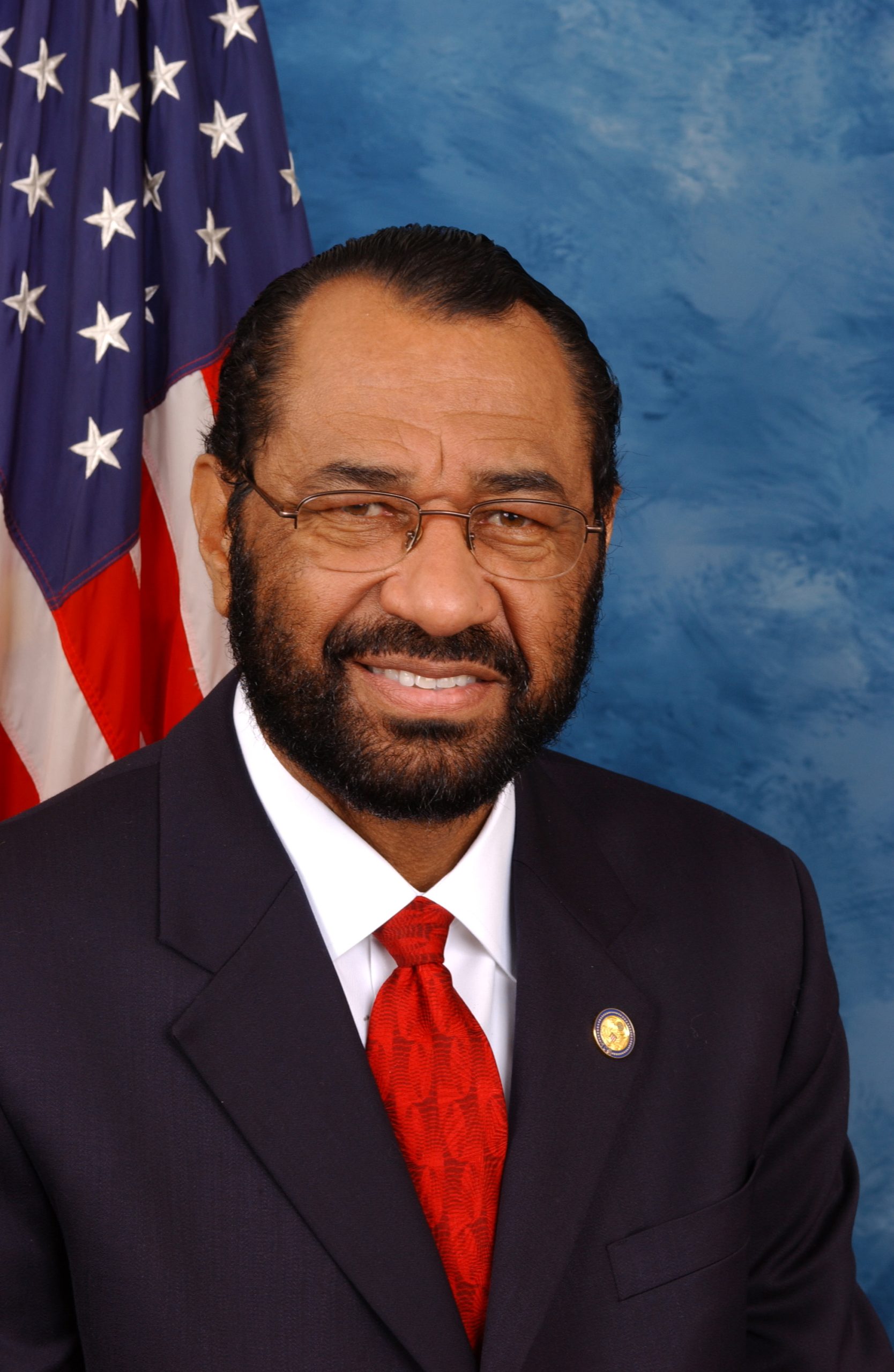
The Texas Democrat has been pressing for impeachment votes for months. His holiday answer shows how the issue remains a political marker even when a vote is far from certain.
Rep. Al Green did not treat a July Fourth question as a moment for soft-focus patriotism. The Texas Democrat used it to return to one of his most consistent arguments: President Donald Trump should face impeachment.
That answer, reported by Fox News and circulating on MSN, is not just another holiday sound bite. It puts Green’s long-running impeachment push back in front of readers at a time when the practical path for any such effort remains steep.
A holiday prompt became impeachment message
The available report surfaced the exchange through its core point: when Green was asked a July 4 question, he answered by renewing his call to impeach Trump. The exact phrasing of the question was not included in the extracted source brief, so the clearest verified takeaway is the political one: Green used the moment to restate impeachment as a live demand.
That timing is why the answer drew attention. July Fourth is usually wrapped in language about independence, founding principles and national unity. Green’s response leaned into a sharper theme: the Constitution is not just ceremonial language for a holiday, but a set of powers Congress can use against a president.
For readers who have watched impeachment become a recurring feature of the Trump era, the exchange may feel familiar. But Green’s persistence is the story. He is not floating impeachment as a cable-news aside; he has repeatedly tried to force the issue into formal House action.
Green has made this his lane
Green’s office has documented multiple impeachment pushes on official House.gov pages. A June 24, 2025, entry from his congressional office says he called for a vote on H.Res.537 to impeach Trump for abuse of power.
Another House.gov release says Green made a promise and commitment to bring a vote to the House floor to impeach Donald John Trump. In that statement, his office said he would stage a sit-in until the vote was taken, using the same House floor seat he occupied during a joint session of Congress.
The language from Green’s office has been direct. His impeachment arguments have framed Trump as abusing presidential power and threatening the constitutional order. Those are Green’s claims, and they remain politically contested, but they explain why his July Fourth answer was not a one-off.
Green has positioned impeachment as a matter of congressional duty, not just partisan opposition. That distinction matters because impeachment is one of the few tools the Constitution gives the House to formally accuse a president of misconduct.
The newest filings raised the stakes
On Dec. 10, 2025, Green’s office said he filed H.Res.939 to impeach Trump for abuse of power and for what the resolution described as incitement of violence and death threats against lawmakers and federal judges.
According to the House.gov summary, the resolution asserted that Trump was an abuser of presidential power who, if left in office, would continue to promote violence, undermine democracy and dissolve the republic. That is Green’s formal argument, not an established legal finding.
The same release said one article concerned Green’s allegation that Trump called for the execution of six Democratic lawmakers who had served in the military or intelligence communities. A second article focused on Green’s claim that Trump had fostered a climate in which lawmakers and judges faced threats and intimidation.
Those claims are serious, and they also show why impeachment talk can quickly move from campaign rhetoric into constitutional accusation. Once written into a resolution, the argument is no longer just a speech. It becomes a document the House can choose to ignore, table, refer, debate or vote on.
The House math is the wall
Impeachment begins in the House, where a simple majority can approve articles. Removal from office requires conviction in the Senate, where the threshold is much higher. That two-step process is why a renewed call from one lawmaker does not automatically mean Trump is in immediate jeopardy.
Green can file resolutions, seek floor action and pressure colleagues. What he cannot do by himself is make impeachment a majority position. Any serious move would require either party leadership to embrace it or enough members to force a procedural showdown.
That is the gap between Green’s message and the likely near-term reality. His July Fourth answer can raise attention and rally supporters who believe Congress should act. It does not, on its own, change the vote count.
The politics are also complicated for Democrats. Some voters want aggressive confrontation with Trump. Others may view another impeachment fight as a distraction unless there is a clear path to bipartisan support or a specific new triggering event.
Why July Fourth sharpened it
Green’s answer landed differently because of the calendar. July Fourth gives politicians an easy script about freedom and national ideals. Green used that same backdrop to argue, in effect, that patriotism requires accountability.
That is a deliberate contrast. For Trump’s supporters, impeachment efforts have often been portrayed as partisan attempts to reverse electoral outcomes or weaken a president. For Green and like-minded critics, impeachment is presented as the constitutional remedy for presidential behavior they see as dangerous.
The holiday framing helps Green make the issue bigger than one resolution number. It ties his case to founding-era language about checks and balances, separation of powers and the limits of executive authority.
That does not mean the argument will persuade skeptics. It does explain why a brief holiday exchange can travel quickly through political media: it compresses a long-running fight into a single symbolic moment.
What to watch next
The immediate question is not whether Green still supports impeachment. He plainly does. The question is whether his latest public push leads to any concrete procedural step in the House.
Watch for three signals: whether Green files or reintroduces another resolution, whether he seeks a privileged vote or floor action, and whether party leaders respond. Silence from leadership would suggest the push remains largely Green’s fight. A scheduled vote or committee move would mark a significant escalation.
For now, the July Fourth answer is best read as a warning flare from a lawmaker who has made impeachment central to his critique of Trump. It keeps the issue alive, but it does not settle the harder question of whether Congress has the votes, appetite or political incentive to act.
Green’s message is clear. The machinery of impeachment is much harder to move.











Leave a Reply