
Federal officials say an ICE officer fired in self-defense during an immigration operation. The family of Lorenzo Salgado Araujo and civil rights groups say the public needs proof, not just an official account.
The first fight after Lorenzo Salgado Araujo’s death is over the facts.
Federal officials say an Immigration and Customs Enforcement officer shot the Mexican national in self-defense during an enforcement operation in Houston. His family, civil rights advocates and some local leaders are demanding that the government release video and evidence showing exactly how a morning immigration stop turned fatal.
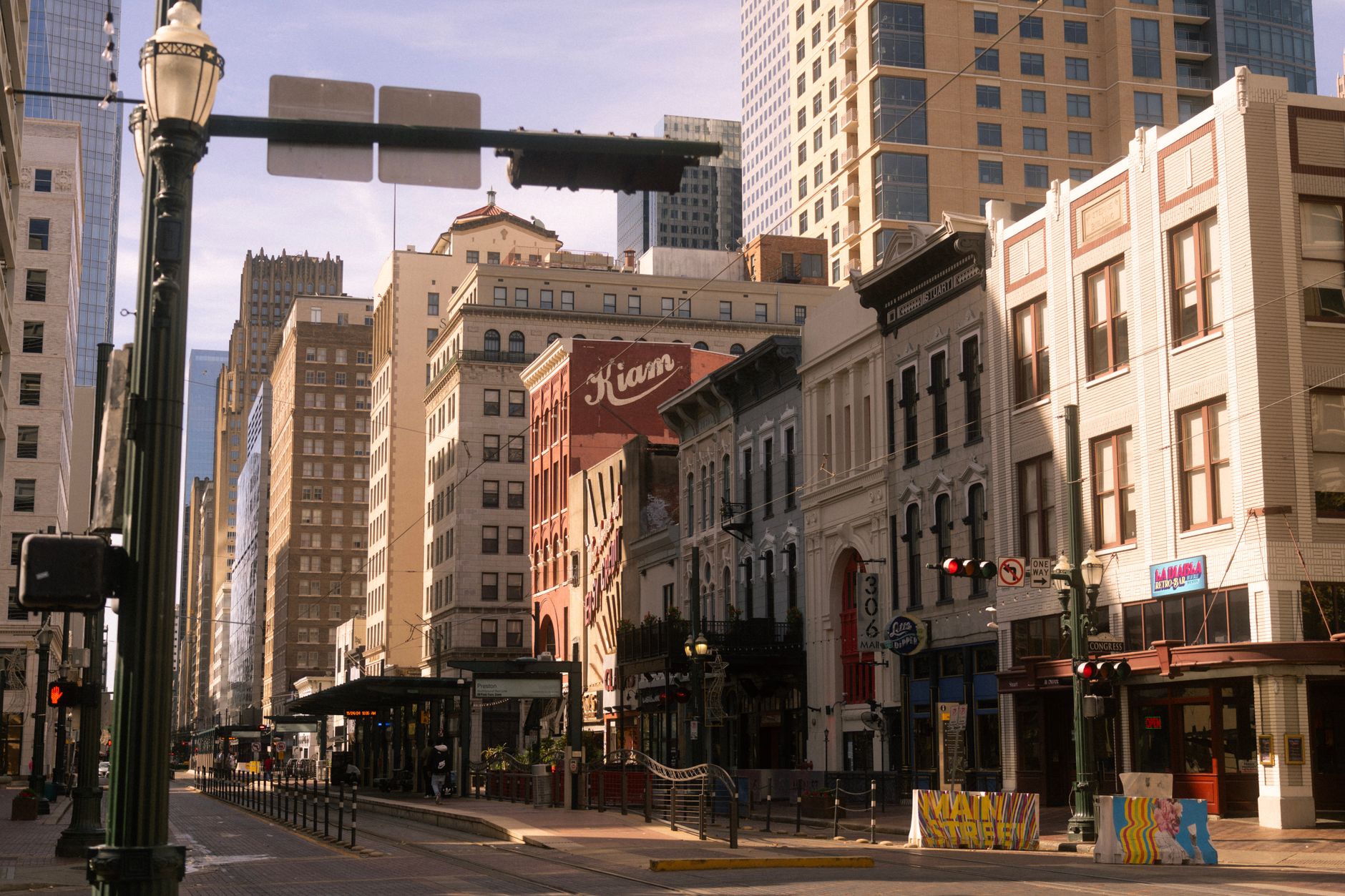
A fatal stop in Magnolia Park
The shooting happened Tuesday in Magnolia Park, a Houston neighborhood long tied to the city’s Mexican American community, according to reporting by The Associated Press. Salgado Araujo was driving a work crew to a homebuilding site when he was killed, his family said.
The Department of Homeland Security, which oversees ICE, said officers were conducting an immigration enforcement operation and were targeting Salgado Araujo because he was living in the United States without legal permission. DHS said he ignored commands and tried to ram an officer, prompting the officer to fire in self-defense.
Houston firefighters said Salgado Araujo was shot in the abdomen. He later died at a hospital, AP reported.
Federal officials have not publicly released video or images of the shooting, the vehicles involved or the moments before the officer fired. That gap has become the center of the public pressure campaign now building in Houston.
The family disputes the picture
Salgado Araujo’s son, Ronaldo Salgado, described his father as a hardworking husband and father who had spent decades building homes and supporting his family. He said his father had no criminal convictions and was working toward securing legal status in the U.S.
Democratic U.S. Rep. Sylvia Garcia also said Salgado Araujo had no criminal convictions. The family’s account presents him not as a public safety threat, but as a long-time worker who may not have understood that the people in unmarked vehicles were federal agents.
Ronaldo Salgado said his father may have feared the people following him were trying to steal the tools he used for construction work. According to AP, he said his father knew what to do if stopped by ICE, but the circumstances of the encounter remain unclear.
At a news conference, Salgado said his father should not be reduced to a headline. He called him a husband, father and job creator for other men pursuing work in the United States.
Federal claims face demands for proof
DHS said Salgado Araujo’s vehicle struck an ICE vehicle and that he attempted to ram an officer. But as of Wednesday, officials had not released evidence supporting that account, AP reported.
That absence matters because shootings involving federal officers often turn on split-second details: where the officer was standing, whether a vehicle was moving toward someone, what commands were given, and whether people in the targeted vehicle knew they were dealing with law enforcement.
One man in the van, Daniel Tirado, briefly called his wife to say they were being followed, according to his stepdaughter, Juana Degollado, who spoke with AP. Degollado said Tirado later recalled that an ICE agent shot Salgado Araujo while the van door was closed.
Other men in the vehicle were detained, family members told AP. ICE has not released the names of those detained, and relatives said they struggled to get information from federal authorities after the shooting.
Why video has become central
Calls for footage are not just about this one case. Advocates argue that the public cannot evaluate a fatal law enforcement shooting if the government controls both the narrative and the evidence.
Ronaldo Salgado, civil rights groups and Democratic officials have urged federal authorities to release all video and information related to the shooting. The League of United Latin American Citizens also offered a $5,000 reward for witness information and videos, according to AP.
Some advocates have urged witnesses not to turn recordings over only to ICE, reflecting distrust over whether the agency can investigate itself fairly. LULAC President Roman Palomares argued that the immigration crackdown has created conditions where officers can “shoot and explain later,” AP reported.
The concern is sharpened by past cases in which initial official descriptions of shootings by immigration officials were later challenged by video evidence. That history is why footage, if it exists, may determine whether the federal account holds up.
Houston’s local officials have limits
Harris County District Attorney Sean Teare said Salgado Araujo’s family and the community deserve the truth, according to AP. But he also said federal authorities are handling the investigation exclusively.
That creates a familiar accountability problem in cases involving federal agents. Local communities feel the consequences, local officials face the outrage, but the key evidence and investigative decisions may remain in federal hands.
For residents of Magnolia Park, the shooting also lands in a neighborhood with deep cultural and historical ties to Mexican American Houston. On Wednesday night, hundreds marched through the area chanting against ICE, AP reported.
The protest was not only about one death. It reflected broader fear among immigrant families that routine workdays, traffic stops or enforcement operations can suddenly escalate with little public visibility.
What remains unanswered
Several basic questions remain unresolved: whether ICE officers clearly identified themselves, what commands were given, how the vehicles were positioned, whether Salgado Araujo’s van was moving when the shot was fired, and what the detained passengers told investigators.
Also unclear is when, or whether, federal officials will release footage or a fuller timeline. AP reported that ICE and DHS representatives did not respond to repeated requests for additional comment Wednesday.
The shooting is at least the eighth death resulting from an encounter with federal immigration officers since the start of the Trump administration’s immigration crackdown, according to AP. That larger context is one reason the Houston case is drawing national attention so quickly.
For now, the government has offered an official justification, and the family has offered a sharply different human portrait. The next stage will depend on evidence the public has not yet seen.





Leave a Reply