

A planned White House announcement puts a spotlight on Melania Trump’s less-visible policy work for young adults leaving foster care. The initiative arrives as advocates welcome new attention while questioning whether broader federal policy could limit its impact.
Melania Trump has been working behind the scenes to support foster youth, and her work is moving into public view through new scholarship opportunities tied to IndyCar and Fox Corporation. The initiatives connected to her foster youth work are expected to be unveiled at the White House as she promotes help for young adults transitioning out of foster care.
The announcement matters because leaving foster care can mean facing housing, education and employment decisions without the family safety net many peers rely on. Trump’s Fostering the Future effort has drawn attention to that transition, but advocates say the ultimate measure will be whether policy changes and funding reach young people in practical ways.
Racing becomes a policy platform
According to CNN, Trump is set to join President Donald Trump for a Rose Garden announcement ahead of a Grand Prix weekend in Washington, D.C. The event pairs a longstanding personal interest of the first lady’s — racing — with her more recent focus on foster youth.
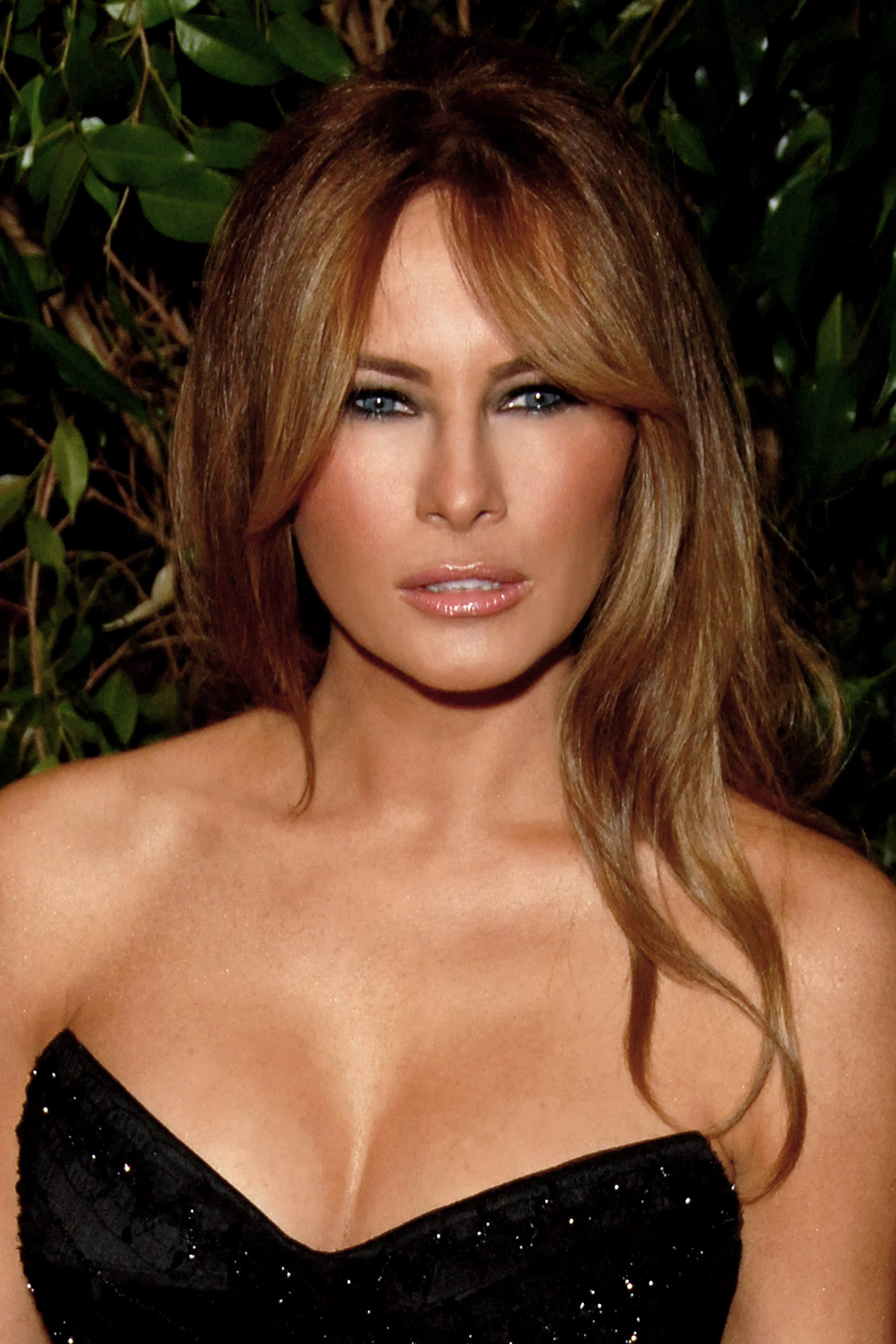
IndyCar and Fox Corporation are partnering on scholarship opportunities for young adults who are leaving the foster care system. Specific details about eligibility, award amounts, how many students will be served and how the scholarships will be administered had not been laid out in the reporting.
That missing detail is consequential. Scholarships can ease the cost of college, credential programs or training, but young people aging out of care often also need stable housing, transportation, health coverage, job connections and trusted adult support.
The public rollout is also notable because Trump has maintained a relatively low profile during her husband’s second term. CNN reported that she has been pursuing a narrower, more policy-focused operation away from many of the traditional public-facing expectations of a first lady.
What Fostering the Future includes
Trump began offering scholarships through Fostering the Future shortly after the end of her husband’s first term in 2021. Since returning to the White House, she has pressed for additional measures aimed at children and young adults in foster care, CNN reported.
Those efforts include support for an executive order signed by President Trump last November. Administration officials say it has prompted state-level work on tracking child-welfare data and ending the so-called orphan tax, a term advocates use for rules that can reduce benefits for young people with survivor payments or other income.
Her office has also promoted IRA-style savings accounts for children in foster care and secured a proposed $25 million investment in the president’s 2026 budget for housing and support for youth transitioning out of the system, according to CNN. A budget proposal, however, is not the same as money already enacted or distributed.
Trump and her team have also appealed to lawmakers over housing, education and training programs for former foster youth. CNN reported that broader legislation to overhaul those supports remains stalled in Congress.
The transition out of care
The attention is landing on a population with unusually steep barriers. Roughly 400,000 young people in the United States live in foster care, according to figures cited by CNN from the U.S. Department of Education.
The National Youth in Transition Database has found that about one in five young people experience homelessness as they transition out of foster care. That statistic helps explain why advocates often frame the issue not simply as a college-access challenge, but as a question of whether young adults can safely establish an independent life.
Policies that make it easier for relatives to become licensed foster parents — known as kin licensure — have also become part of the conversation. A senior administration official told CNN that some states have found the association with Trump’s initiative helpful in getting past early legislative resistance.
Kinship placements can keep children connected to family and community, though implementation varies widely by state. It is one example of a seemingly technical child-welfare policy that can have direct consequences for a child’s stability.
Advocates see both promise and tension
Child-welfare experts who spoke with CNN generally welcomed the first lady’s advocacy and the national attention it brings. Foster care has often attracted bipartisan interest, particularly around helping young people secure housing and education as they become adults.
But advocates also raised concerns about the wider policy environment. Chantal Hinds, a lawyer and senior policy manager at Children’s Defense Fund-New York, told CNN that cuts or changes affecting food assistance and Medicaid could leave more families in precarious circumstances and potentially undermine progress for young people already in care.
Hinds also pointed to the administration’s approach to transgender rights. She noted that LGBTQ young people are disproportionately represented in foster care, making protections and access to services especially important for a group that can face family rejection and housing instability.
The tension does not erase the value of targeted scholarships or transition programs. It does underscore that a foster-youth agenda cannot be judged only by a launch event or a single funding line; it has to be assessed alongside the broader systems that shape whether families can stay together and whether young adults can get help when they need it.
Implementation will determine the legacy
Trump’s office is small by first-lady standards, CNN reported, with seven staff members. Yet its policy work has attracted notice in part because it hired Sarah Gesiriech, a former USAID official who previously advised former first lady Laura Bush and Sen. Chuck Grassley.
A senior administration official described the office as pushing agencies toward specific actions for foster youth. That role can be influential, but agencies, Congress and state governments still control much of the machinery required to carry out reforms.
The unanswered questions are concrete: Will the new scholarships cover enough costs to be meaningful? Who will qualify? Will the proposed housing investment survive the budget process? And can pending federal legislation move beyond a stalled stage?
For now, the IndyCar partnership gives Fostering the Future a highly visible new vehicle. The more difficult work will be turning that visibility into lasting housing, education and financial support for young people whose transition out of foster care is often defined by how little room there is for a setback.








Leave a Reply