
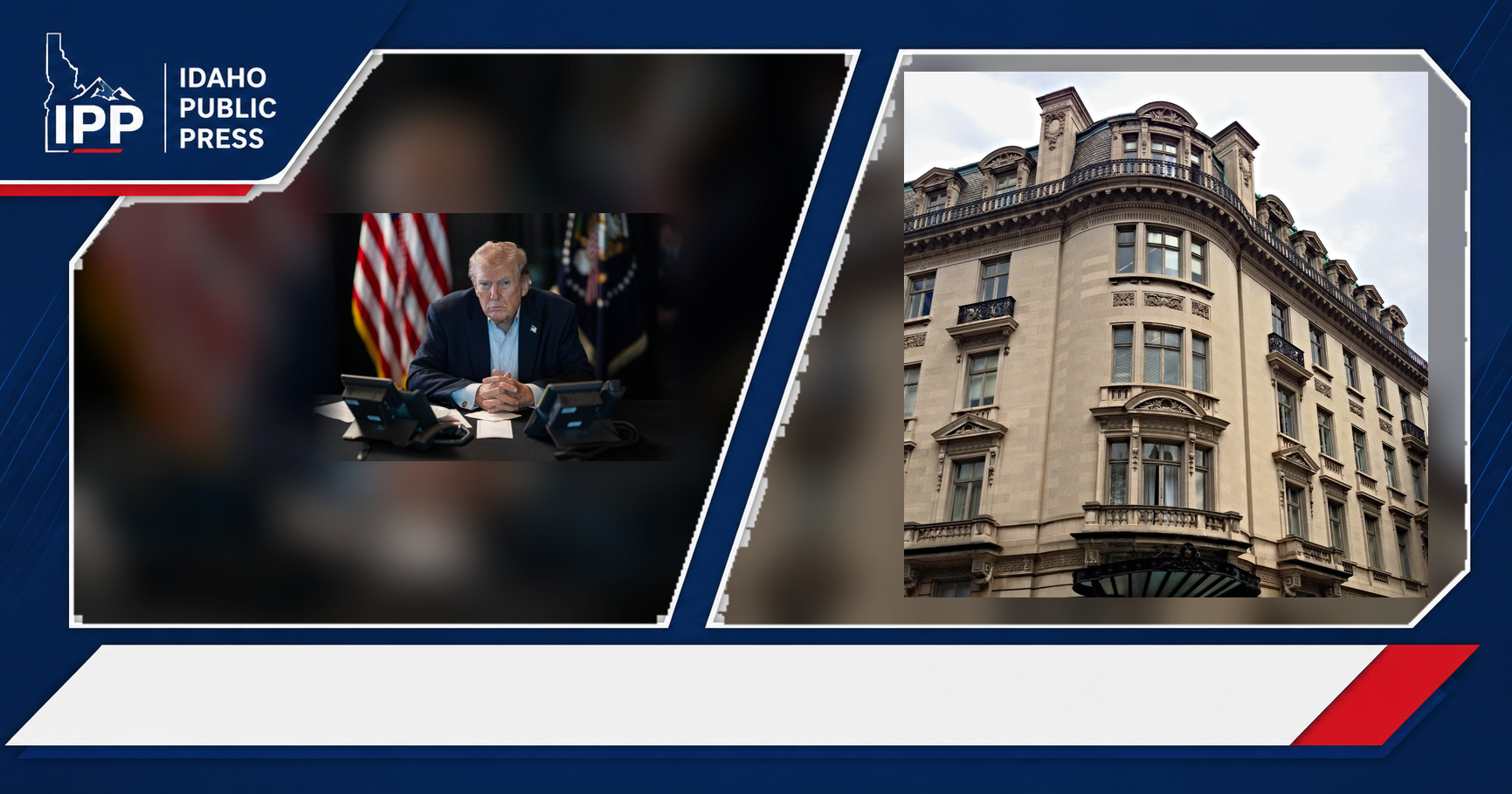
The Trump administration wants the Supreme Court to pause a lower-court order blocking aboveground work on a proposed White House ballroom. The dispute centers on presidential authority, congressional approval and the consequences of continued construction.
President Donald Trump’s administration asked the U.S. Supreme Court on August 14, 2026, to allow construction on its $400 million White House ballroom project to continue while the legal challenge proceeds. The request seeks to suspend a ruling that halted aboveground work on the project.
The proposed 90,000-square-foot ballroom would stand where the White House East Wing stood before its demolition last fall. The administration describes the project as a secure facility needed for the executive residence, while the National Trust for Historic Preservation and other challengers contend that Congress did not authorize it.
What the administration wants from the court
Solicitor General D. John Sauer asked the justices to put the lower-court order on hold before it takes effect on August 21. He also requested an immediate administrative stay while the court considers the government’s application.
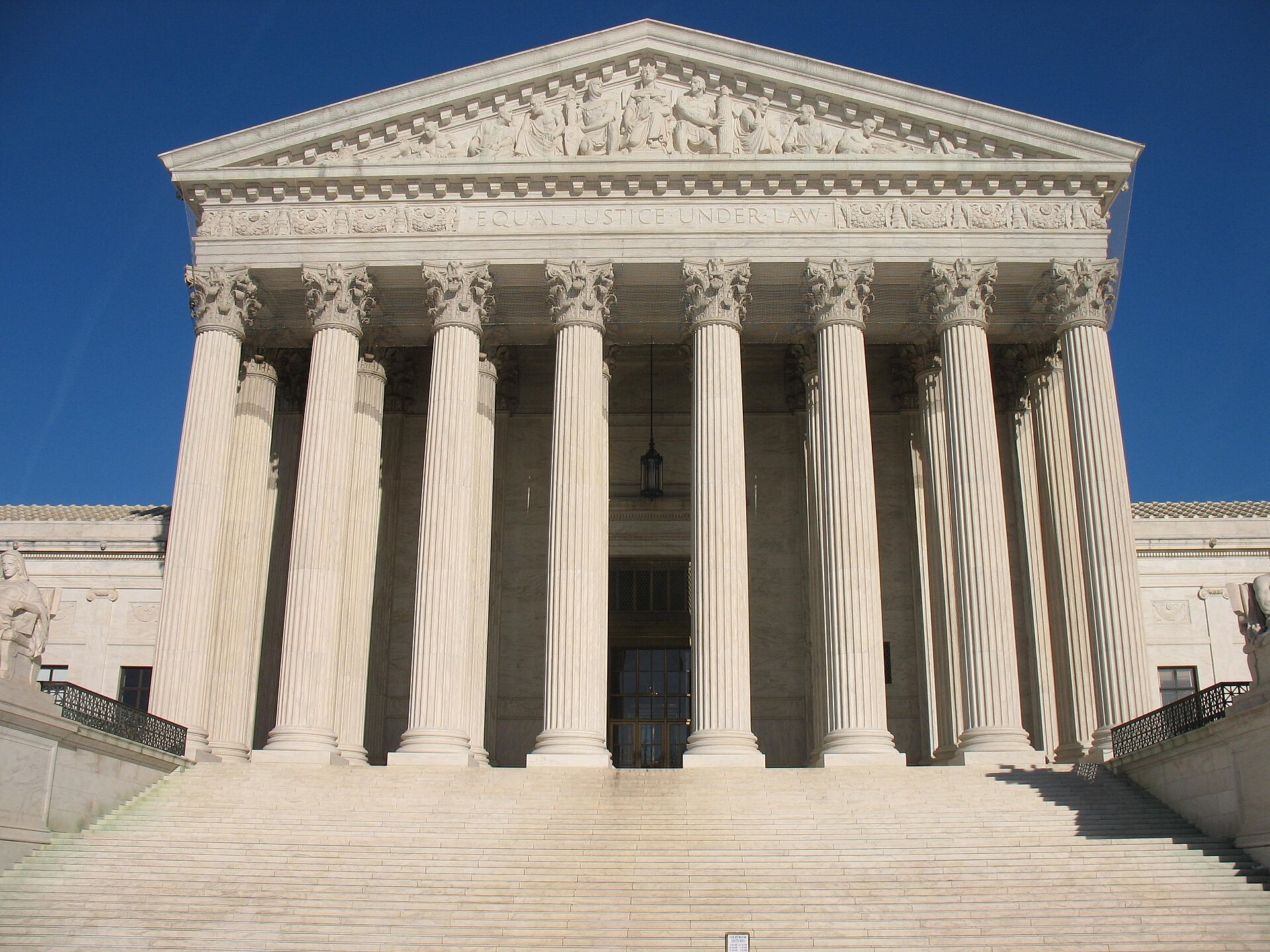
The request followed a divided decision by the U.S. Court of Appeals for the District of Columbia Circuit. The appeals court upheld an earlier order temporarily blocking construction while the underlying case moves forward.
The lower court had delayed its own ruling for two weeks to give the administration time to seek Supreme Court review. An emergency order from the justices would determine whether aboveground work can continue during the appeal, not resolve the case’s final merits.
The project at the center of the dispute
The White House has said the ballroom would total about 90,000 square feet and seat 650 people, compared with a 200-person seated capacity in the East Room. The administration says the project is funded by about $400 million in private donations rather than taxpayer money.
It also says the ballroom is on schedule, under budget and about 65% complete after 10 months of construction. Democrats in Congress have disputed the administration’s funding account, saying funds connected to Trump’s tax-cut legislation appear to be paying for ballroom work. The administration has also sought additional congressional funding that lawmakers have not approved.
The administration describes the work as part of an integrated military complex, including a secure ballroom space at the East Wing. Sauer called the injunction extraordinary and unlawful and argued that the facility is vitally required for national security.
Why the lower courts halted aboveground work
The D.C. Circuit majority concluded that Trump could not unilaterally build the ballroom without congressional approval. The two judges in the majority, both appointed by Democratic presidents, said the decision whether to construct such a ballroom belongs to Congress rather than executive action.
The appeals court reviewed an earlier order by U.S. District Judge Richard Leon, a George W. Bush appointee. Leon blocked aboveground work but allowed underground work to continue, including construction connected to bunkers, military installations and medical facilities.
Leon also concluded that pausing the project would not jeopardize national security while leaving room for work necessary to protect the White House. Judge Neomi Rao, a Trump appointee, dissented at the appeals-court stage, saying the preservationist challengers lacked legal standing and that the lower court had given too much weight to aesthetic objections over the government’s security interests.
Competing arguments over authority and construction
The National Trust, one of the plaintiffs challenging the project, has focused on the ballroom’s scale, the East Wing’s demolition and the absence of a specific act of Congress authorizing the new structure. A court ruling cited permanent and irreversible harm to the White House’s historic, architectural and aesthetic qualities if construction proceeds without an injunction.
The group pointed to plans to install 1 million pounds of rebar and pour another 3,000 cubic yards of concrete over the following week. It argues that continued structural work could limit the relief available if the challengers ultimately prevail.
The Justice Department has argued that the dispute should be resolved through politics rather than what it calls “construction-by-injunction.” It says the president has broad authority to renovate the White House and maintains that the National Trust lacks standing to challenge the project.
What the Supreme Court decision would decide
The immediate question is whether the administration may continue the project while the broader legal case continues. A decision allowing work to proceed would not permanently settle the dispute over presidential authority or the challengers’ right to sue.
A denial would leave the block on aboveground construction in place as litigation moves forward. The Supreme Court could focus on the National Trust’s standing, Congress’s role, the administration’s security arguments or the practical effect of stopping work on a project the administration says is already far along.
For now, the case concerns whether construction can continue during an appeal and whether the White House ballroom required congressional approval before the work began.







Leave a Reply