
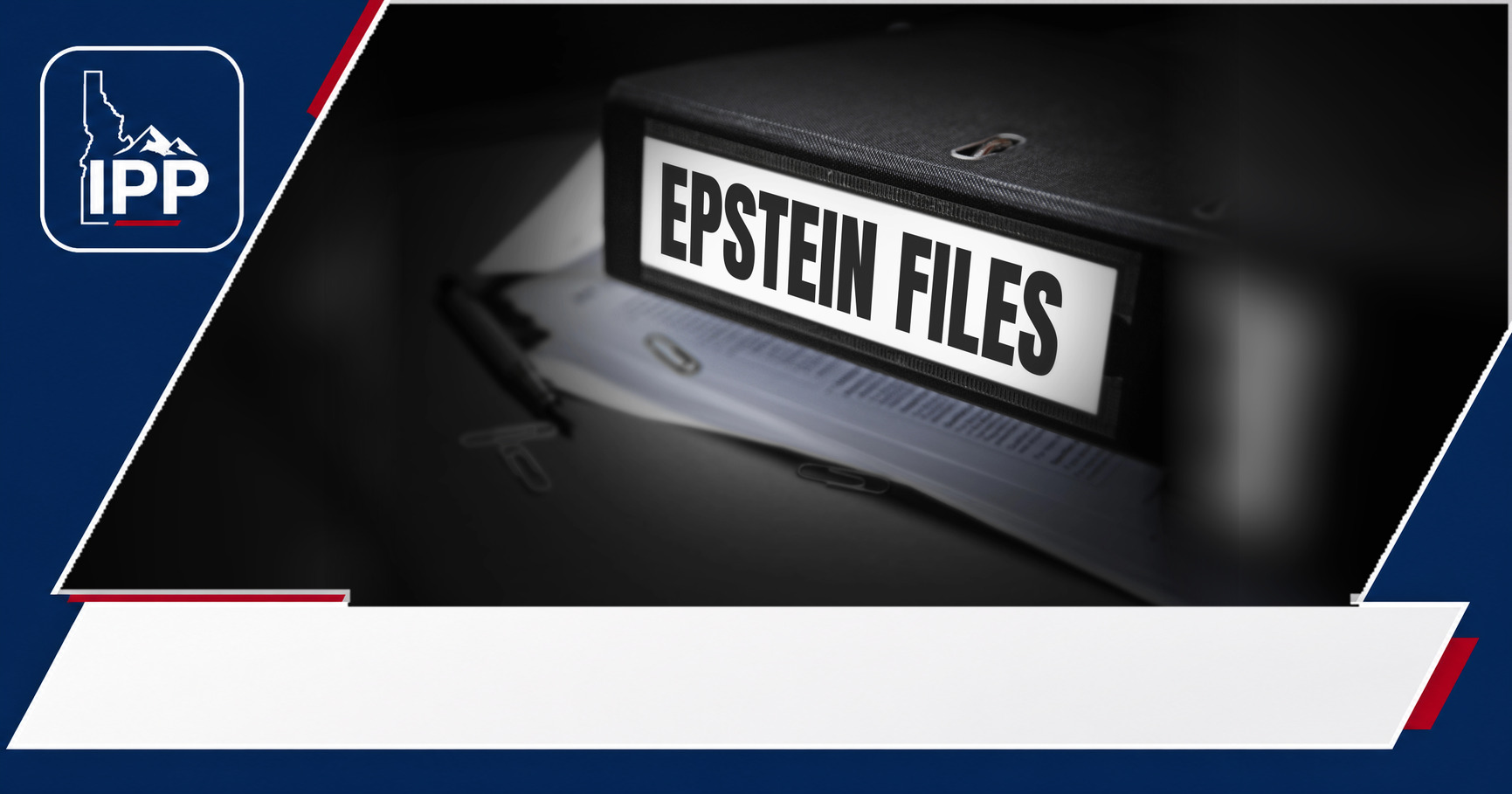
The core claim is serious, but the available reporting offers more support for a dispute over document releases and redactions than for a proven finding that DOJ lawyers lied. Here is what the court fight has established so far—and what remains unverified.
A former prosecutor alleged that the DOJ lied to an Epstein judge and claimed to have proof of the alleged lie. The accusation arrives amid a documented court fight over the Justice Department’s handling of Jeffrey Epstein-related files, where U.S. District Judge Emmet Sullivan has pressed government lawyers about redactions and compliance with his orders.
The allegation is not, on the research available here, a court finding. What is established is that Sullivan has voiced frustration with the DOJ’s pace and explanations in litigation over public access to Epstein files—a dispute that could sharpen scrutiny of how the department supports its claims to a judge.
What the allegation does—and does not—establish
Calling a government lawyer’s statement a lie is a specific and consequential accusation. It implies more than a disagreement over interpretation, a missed deadline or an incomplete response; it suggests someone knowingly gave false information to the court.
The supplied trend material identifies only “a former prosecutor.” It does not name that person, quote the alleged false statement, identify the evidence said to prove it, or point to a filing in which a court has made such a finding. Those missing details matter.
Without the speaker’s identity and the underlying record, readers cannot independently test the claim. A purported proof could be a hearing transcript, an email, a redaction log, a declaration, a document release or a conflict between two government representations. Each would carry very different weight.
The careful description, for now, is that a former prosecutor has made an allegation. It should not be treated as proof that the DOJ lied, or as a judicial conclusion that misconduct occurred.
Sullivan’s hearing put pressure on DOJ
There is a real, public dispute in the background. NBC News reported that Judge Sullivan convened a hearing focused on whether the Trump administration had complied with his orders concerning the release of Epstein files.
One major issue was the government’s explanation for redactions. Sullivan had ordered the Justice Department to provide justifications for numerous redactions, and he questioned government attorneys over whether the department had followed through.
According to NBC News, DOJ official Andrew Block said he could not give the court a timetable because the timing was beyond his control, while saying information would be forthcoming. Sullivan responded skeptically, describing his orders as straightforward and asking whether he needed to issue another order to make clear that he meant it.
That exchange documents judicial impatience. It does not by itself establish that an attorney intentionally misled the court. But it helps explain why any allegation about the DOJ’s candor has gained traction.
The lawsuit centers on transparency
The case stems from a lawsuit filed by journalist Katie Phang against Attorney General Todd Blanche. The suit argues that the Justice Department did not fully comply with the Epstein Files Transparency Act, the law requiring disclosures related to the government’s Epstein records.
Phang’s side has alleged that the department improperly withheld some documents, made problematic redactions and failed to provide material connected to references to President Donald Trump. Those are allegations in litigation, not findings adopted by the court.
Brendan Ballou, an attorney representing Phang, said after the hearing that the department had failed to provide a redaction log, begin producing foreign-language documents and produce notes concerning Trump. He characterized the government’s approach as delay and said the plaintiffs planned to propose an order addressing alleged noncompliance.
The DOJ has contested the lawsuit’s premise. NBC News reported that the department argued Phang lacked standing and called it “absurd” to say it had violated Sullivan’s earlier order requiring more information about certain redactions.
Why redaction logs matter here
A redaction log is not a technical side issue. In transparency litigation, it can be the tool that lets a judge and opposing party understand what was withheld, under what legal rationale and whether the scope of the redactions is defensible.
The government may have legitimate reasons to withhold or redact material, including victim privacy, grand-jury secrecy, ongoing investigative concerns or legally protected information. But those reasons generally must be explained in a form the court can assess.
That is why the argument is not simply about how many pages have been released. It is about whether the government has supplied enough detail for judicial review. A delay in producing explanations can fuel suspicion, while the government may argue that reviewing a vast, sensitive record takes time and careful coordination.
The distinction is crucial: inadequate disclosure can lead to orders compelling more detail without proving intentional deception. A lie allegation requires evidence about knowledge and intent, not just an outcome the other side considers insufficient.
A judge’s warning carries weight
Sullivan reminded lawyers at the hearing of his experience handling a prior Justice Department case involving withheld exculpatory evidence in the prosecution of former Sen. Ted Stevens of Alaska. In that matter, he held government attorneys in contempt, a decision later upheld on appeal.
He said he had no desire to revisit that path in the Epstein-files litigation, according to NBC News. Still, the reference served as a clear signal: the court has tools to enforce legitimate orders if it concludes attorneys are not complying.
Contempt is not automatic, and a stern hearing is not a contempt ruling. Judges commonly give parties opportunities to cure deficiencies, clarify positions and submit records before imposing sanctions. Sullivan said he was willing to work with the government to obtain compliance.
That process is also why public claims should be measured against the docket rather than against the temperature of a hearing. Court orders, declarations, transcripts and eventual rulings are the evidence that can turn an accusation into a substantiated legal conclusion—or show that it falls short.
What could clarify the claim next
The most useful next development would be a specific account of the former prosecutor’s asserted proof: who made the contested DOJ statement, when it was made, what documents contradict it and why the contradiction would show deliberate falsehood rather than error or dispute.
The pending case may produce some of that clarity. Plaintiffs have indicated they will seek a proposed order addressing what they view as noncompliance. The DOJ will have opportunities to respond, explain its production process and defend its legal position.
For now, the central takeaway is narrower than the viral wording suggests. Judge Sullivan’s questions show a serious fight over Epstein-files transparency and the DOJ’s adherence to court directives. The separate allegation that the department lied to him remains an allegation unless and until supporting evidence is publicly identified and tested in court.







Leave a Reply