

The case has become a flashpoint over immigration enforcement in courthouses and the limits of judicial authority. Prosecutors say Hannah Dugan crossed a line; her lawyers say she has already paid heavily.
A former Wisconsin judge is about to learn whether a courthouse encounter that lasted minutes will cost her months, or possibly years, in prison.
Hannah Dugan, the former Milwaukee County circuit judge convicted of felony obstruction, is scheduled to be sentenced Wednesday in federal court in a case that has become a national marker in the fight over immigration enforcement inside courthouses.
The sentence carries bigger stakes
Dugan, 67, faces up to five years in prison after a jury convicted her on Dec. 19, according to the Associated Press. Federal sentencing guidelines cited in the case call for 15 to 21 months behind bars, though the judge handling sentencing is not required to follow that range.
The sentencing is expected before U.S. District Judge Lynn Adelman. Prosecutors have not asked for a specific prison term, but they argued in a filing that Dugan deserves a “serious sentence” because of her position and the risk they say her actions created.
Her defense team is asking for no additional jail time beyond the part of one day she already spent in federal custody. They argue she has already lost her judgeship, endured public condemnation and faced threats of violence.
That makes Wednesday’s hearing more than a routine end to a criminal case. It is a public test of how harshly the federal system will punish a state judge accused of disrupting an immigration arrest.
The courthouse encounter at issue
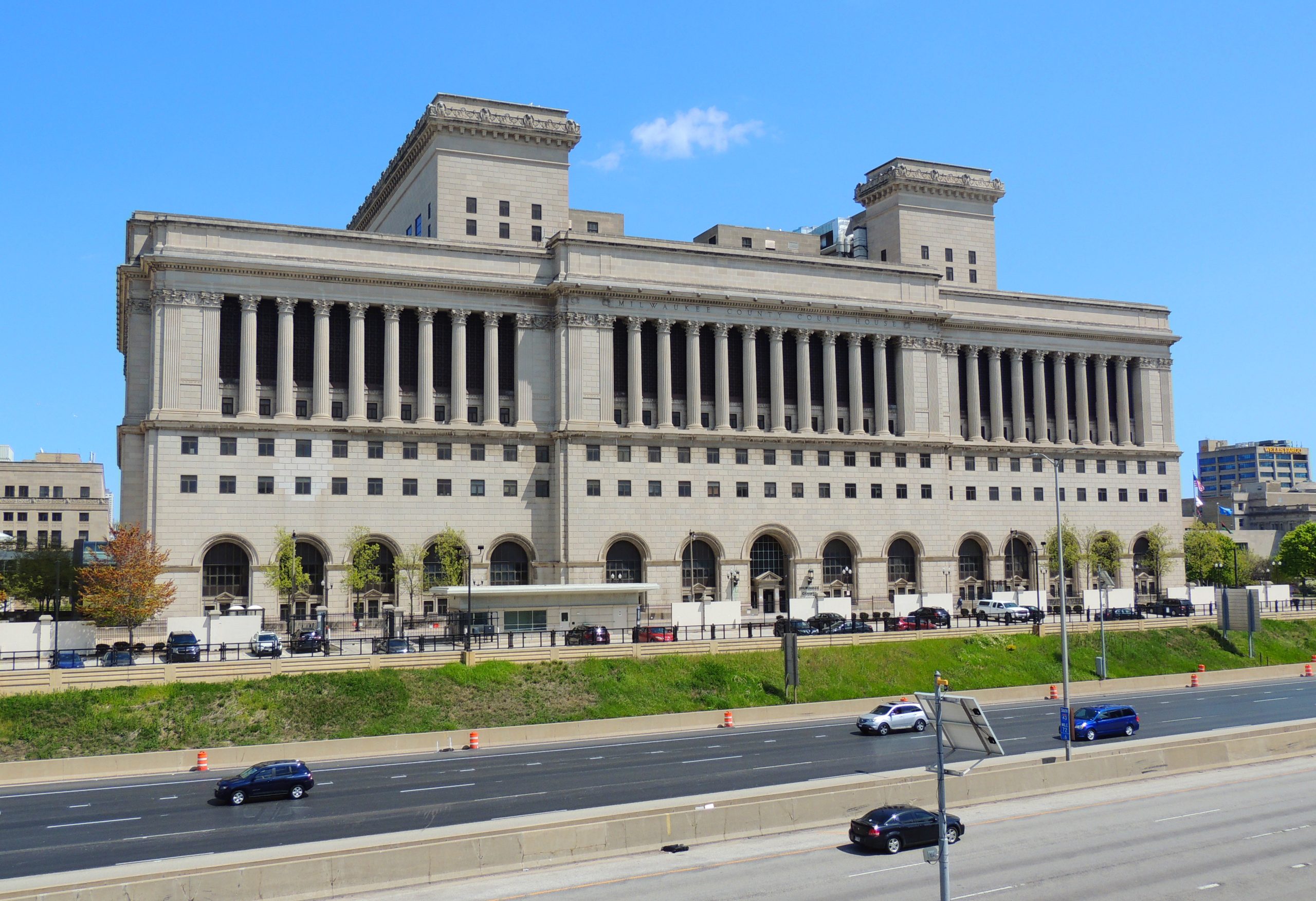
The case stems from events on April 18, 2025, at the Milwaukee County courthouse. Immigration officers went there after learning that Eduardo Flores-Ruiz, a 31-year-old Mexican immigrant, was scheduled to appear before Dugan in a state battery case, AP reported.
Authorities said Flores-Ruiz had reentered the United States illegally. Federal officers planned to arrest him at the courthouse, part of a broader immigration enforcement strategy that has targeted people as they appear for court hearings.
Dugan confronted agents outside her courtroom and directed them to the chief judge’s office, according to AP’s account of the case. She told them their administrative warrant was not enough to arrest Flores-Ruiz there.
After the agents left that area, Dugan led Flores-Ruiz and his attorney out through a private jury door. Agents later spotted Flores-Ruiz in a corridor, followed him outside and arrested him after a foot chase. He was deported that November.
Why prosecutors want prison
Federal prosecutors have framed the case around trust. Their argument is that judges receive enormous authority inside courtrooms, but that authority cannot be used to block federal officers from doing their jobs.
“Judges are entrusted with tremendous discretion, but there is a line they cannot cross,” Executive Assistant U.S. Attorney Richard Frohling wrote in a sentencing memo quoted by AP. “The defendant crossed that line.”
Prosecutors also argued that Dugan violated her oath as a judge and placed law enforcement and the public at risk. They noted that the average sentence in obstruction cases is 16 months, while stopping short of recommending an exact sentence.
The jury convicted Dugan of felony obstruction but found her not guilty of a misdemeanor charge of concealing an individual to prevent arrest. That split verdict matters: jurors rejected part of the government’s case, but still found that her conduct crossed into criminal obstruction.
Dugan says she paid already
Dugan resigned from her Milwaukee County circuit judge position two weeks after her conviction, amid threats of impeachment from Republican state lawmakers. She had served on the bench for nine years.
Her attorneys have argued that resignation, public humiliation and personal safety threats should weigh heavily against prison time. They also have challenged the legal basis of the conviction, arguing that Dugan had immunity as a judge for actions connected to her courtroom role.
Judge Adelman has rejected Dugan’s attempts to vacate the obstruction conviction. Still, her legal team has said it plans to appeal regardless of the sentence.
Dugan did not testify during her trial. Her attorneys told AP she is expected to address the court at sentencing, which would mark her first public comments on the case in more than a year.
A flashpoint in immigration enforcement
The case unfolded against the backdrop of President Donald Trump’s immigration crackdown, including efforts by Immigration and Customs Enforcement agents to detain immigrants at courthouses around the country.
That strategy has drawn sharp disagreement. Supporters say courthouses can be practical locations for arrests because authorities know where a person will be. Critics warn the tactic can discourage immigrants, witnesses and victims from showing up for court, weakening local justice systems.
Dugan’s prosecution quickly became political. Republicans labeled her an activist judge. U.S. Rep. Tom Tiffany, a Trump ally running for Wisconsin governor, urged authorities to “lock her up” after her conviction, AP reported.
Dugan’s attorneys cast the prosecution differently. During trial, they argued the Trump administration was trying to “crush her” to force judicial compliance with its immigration agenda.
What the ruling may signal
Dugan’s case was the first in Wisconsin in which a state judge went to trial on charges of obstructing immigration agents. That alone makes the sentence closely watched by judges, court administrators, immigration lawyers and law enforcement officials.
A prison term could send a blunt warning to state court officials: challenging or slowing federal immigration enforcement inside a courthouse can carry personal criminal consequences. A no-prison sentence would still leave Dugan with a felony conviction, but it would suggest the court sees her punishment so far as substantial.
The sentencing will not settle the larger dispute over courthouse arrests. It also will not answer every question about how state judges should handle federal agents who arrive with administrative warrants rather than judicial warrants.
But it will put a number on the case: probation, months in prison or something closer to the top of the guideline range. For Dugan, that number is personal. For the courts, it may become a cautionary line in one of the country’s most charged immigration fights.









Leave a Reply