
The move puts another former Biden administration official at the center of a security-clearance dispute. The public record so far leaves key questions about the underlying allegation unanswered.
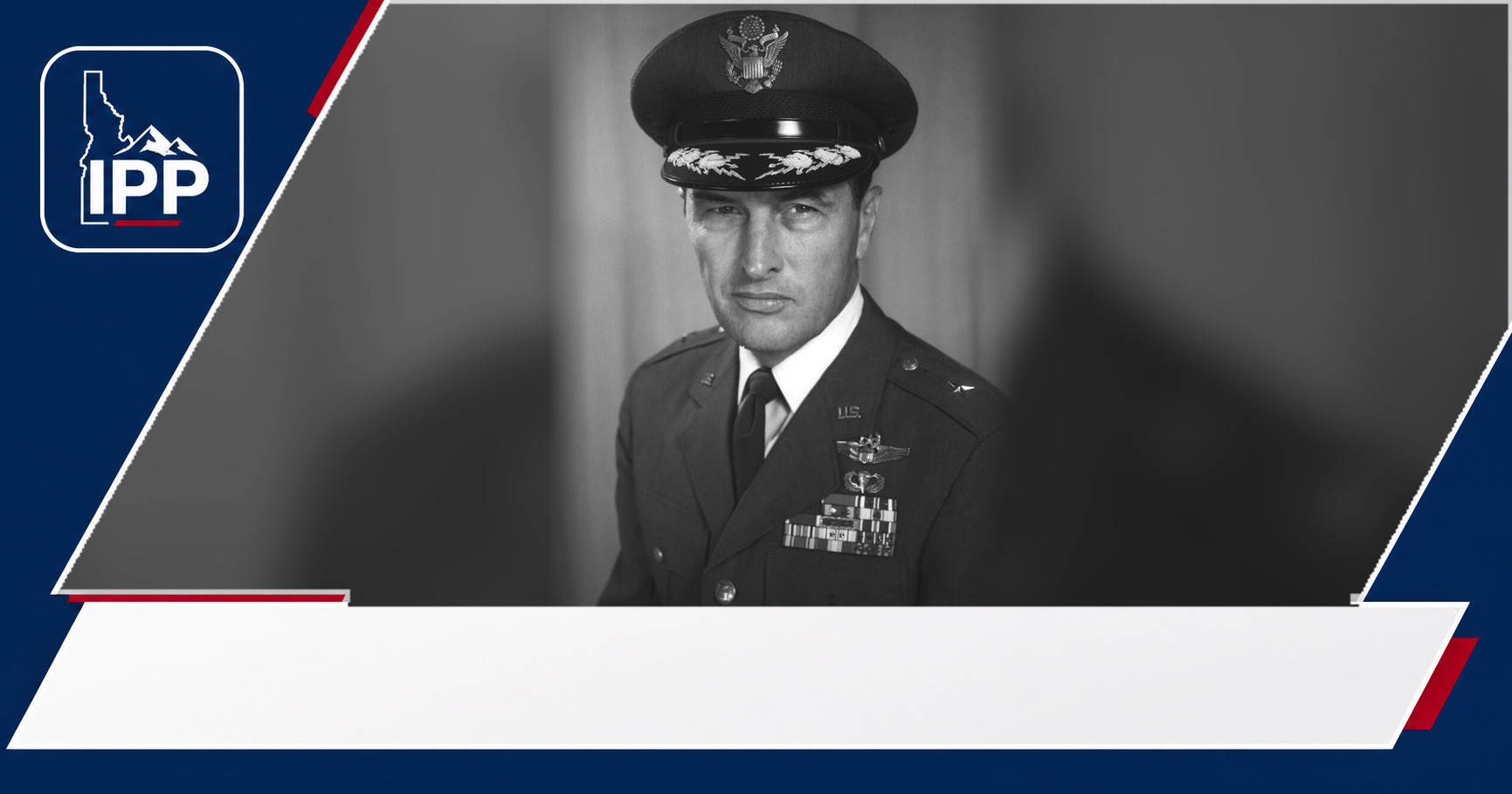
Pete Hegseth stripped Frank Kendall’s security clearance, according to a report by The Wall Street Journal. Kendall was Joe Biden’s Air Force secretary, and the reported United States Department of Defense action was tied to an accusation that he leaked sensitive information.
The revocation matters because a security clearance determines whether a former senior official can receive classified material or participate in work requiring access to it. The allegation against Kendall has been reported, but the available public material does not lay out the specific information at issue, the evidence behind the claim or whether any separate legal process is underway.
Hegseth’s action targets Kendall
Hegseth, the Pentagon chief, reportedly revoked Kendall’s clearance in a move that places a former top civilian leader of the U.S. Air Force under a serious national-security cloud.
Kendall led the Air Force during the Biden administration, a role that involved oversight of major military programs, technology priorities and readiness planning. Former officials in such positions may retain eligibility for classified access when government work, advisory responsibilities or private-sector roles require it.
The Wall Street Journal’s report identified Kendall as the latest former official to lose access amid an allegation involving sensitive information. The report’s available summary does not establish that Kendall improperly disclosed classified material; it says he was accused of leaking sensitive information.
An accusation is not a finding
That distinction is central. A clearance revocation can have immediate practical consequences, yet it is not the same thing as a criminal charge, a court ruling or a public finding that an individual violated a law.
Government agencies can make access decisions based on their assessment of national-security risk. Those decisions may be based on information that is not publicly released, particularly when classified material is involved.
That can leave the public with two competing concerns. Supporters of aggressive action can argue that officials responsible for protecting secrets should act quickly when they believe access presents a risk. Critics can argue that a high-profile revocation without a detailed public explanation makes it hard to judge whether the decision was proportionate or consistently applied.
For now, the specific substance of the allegation against Kendall remains unclear from the material available publicly. There is also no public account in the supplied reporting of Kendall’s response, whether he contests the accusation or what review procedures accompanied Hegseth’s decision.
Clearance access has become political
The Kendall action arrives in a period when security clearances have become a more visible instrument of executive authority. In March 2025, the White House issued a memorandum directing agencies to rescind active clearances and classified-information access for a named group of former officials, including former President Joe Biden and several prominent Democrats and former national-security figures.
That White House memorandum said the administration had determined it was no longer in the national interest for those individuals to have access. It also instructed agencies to revoke unescorted access to secure government facilities for the people named.
Kendall was not listed in the text of that March 2025 memorandum. His reported clearance revocation therefore appears to be a separate action tied to the allegation described in the Wall Street Journal report, rather than a direct application of that list.
The distinction matters because it changes the public question. A broad presidential directive is an overt policy choice. An individual clearance action tied to an alleged leak raises more specific questions about evidence, internal review and the boundaries between security enforcement and political conflict.
Why Kendall’s former job matters
The Air Force secretary is the service’s top civilian official, responsible for the Department of the Air Force, which includes the Air Force and Space Force. The position sits close to some of the Pentagon’s most consequential decisions on aircraft, satellites, nuclear deterrence, procurement and emerging technology.
That background gives any claim involving sensitive information added weight. It also means public discussion should be precise: not every sensitive item is necessarily classified, and not every allegation of a leak results in a criminal case.
At the same time, a clearance action can affect a former official’s ability to advise companies, consult on defense matters or participate in government-related work. The real-world impact depends on what access Kendall held, what work he is doing and whether any appeal or reconsideration avenue applies.
What remains unanswered publicly
The reported action answers one immediate question: Hegseth has moved to strip Kendall’s security clearance. It does not answer several others that will determine how consequential the episode becomes.
- What sensitive information was allegedly disclosed?
- Was the material classified, and if so, at what level?
- What evidence led the Defense Department to act?
- Did Kendall receive notice, offer a response or seek a review?
- Will the matter result in any additional administrative or legal action?
Those details are especially important because clearance decisions are often handled outside public view. The government has a legitimate interest in protecting classified information, while the public has an interest in understanding how an unusually prominent action against a former senior official was reached.
The broader test is consistency
Hegseth’s revocation of Kendall’s clearance will likely be judged on more than the fate of one former Air Force secretary. It will also be measured against the administration’s broader approach to former officials, classified access and allegations of misconduct.
If officials provide a clearer account of the basis for the decision, the focus may remain on the security allegation itself. If few details emerge, the dispute is likely to feed a continuing argument over whether clearance powers are being used narrowly to protect secrets or more broadly as a tool in Washington’s political battles.
For Kendall, the immediate consequence is reported loss of access to classified information. For the Pentagon and the public, the unresolved issue is whether the facts behind that decision will be explained with enough specificity to establish confidence in the process.



Leave a Reply