
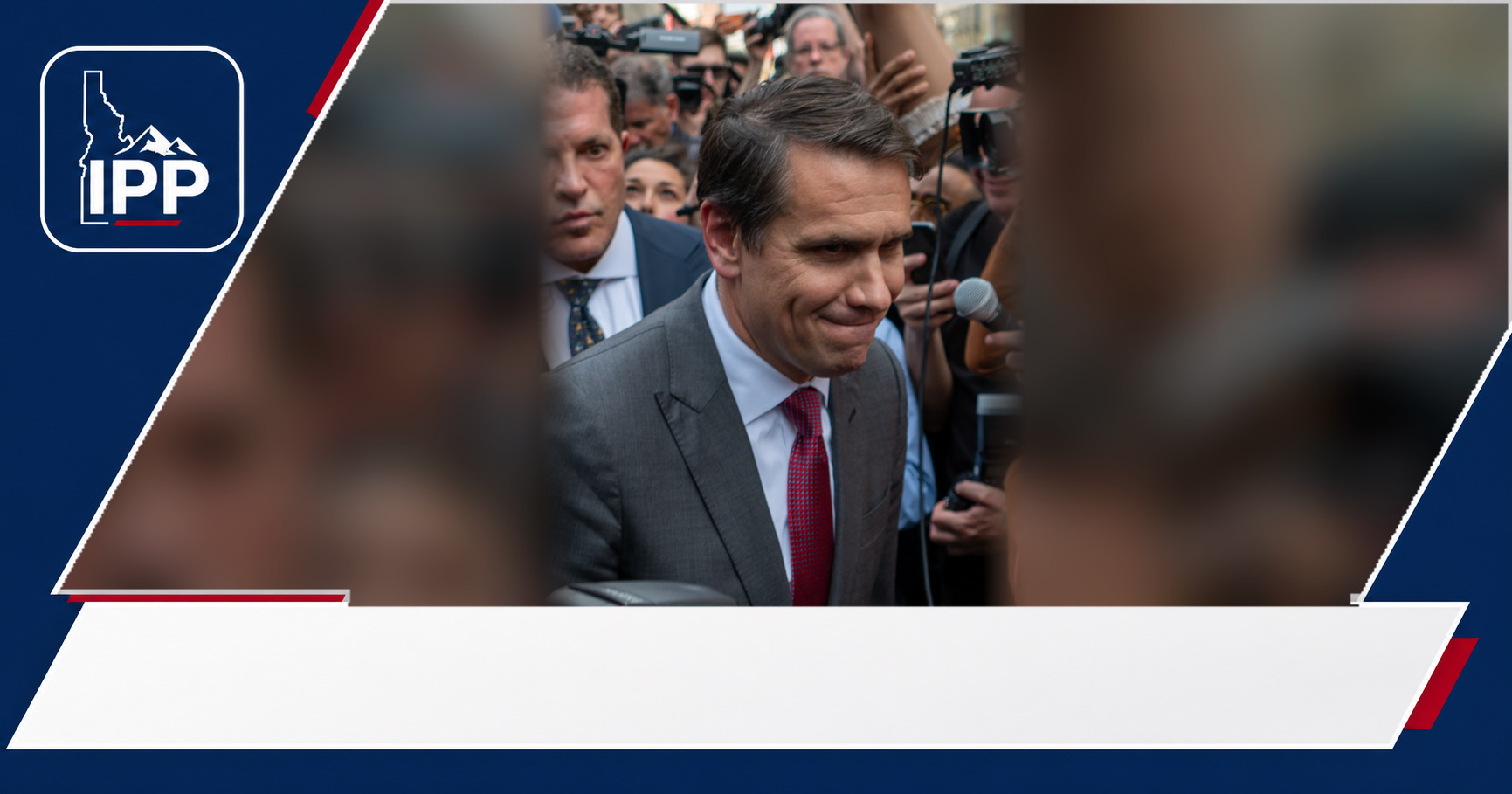
The fight over the Epstein records is increasingly about process, not just names. DOJ says it released millions of pages, but critics see unanswered questions in how politically sensitive material was handled.
Todd Blanche is criticized over the unredacted Epstein files after a legal expert said there is a major red flag in those Jeffrey Epstein records, a criticism tied to Blanche’s role in a Justice Department interview transcript and the department’s wider disclosure process. The "biggest red flag" is not a single name in the files. It is the appearance, critics say, that politically sensitive material is being filtered through officials with political ties while the public is asked to trust a massive release.
The Epstein files given to the public now span millions of pages. The Justice Department says it published more than 3 million additional pages, bringing the total production to nearly 3.5 million pages, including more than 2,000 videos and 180,000 images. That scale makes the process question matter: when the archive is enormous, messy and politically explosive, who reviews it can become as important as what is in it.
The red flag is process
The criticism centers on Todd Blanche, identified in a Justice Department transcript as Deputy Attorney General, and his role in an interview connected to Ghislaine Maxwell, Jeffrey Epstein’s longtime associate. A Justice Department file titled Interview Transcript – Maxwell 2025.07.24 (Redacted) lists Blanche as a participant.
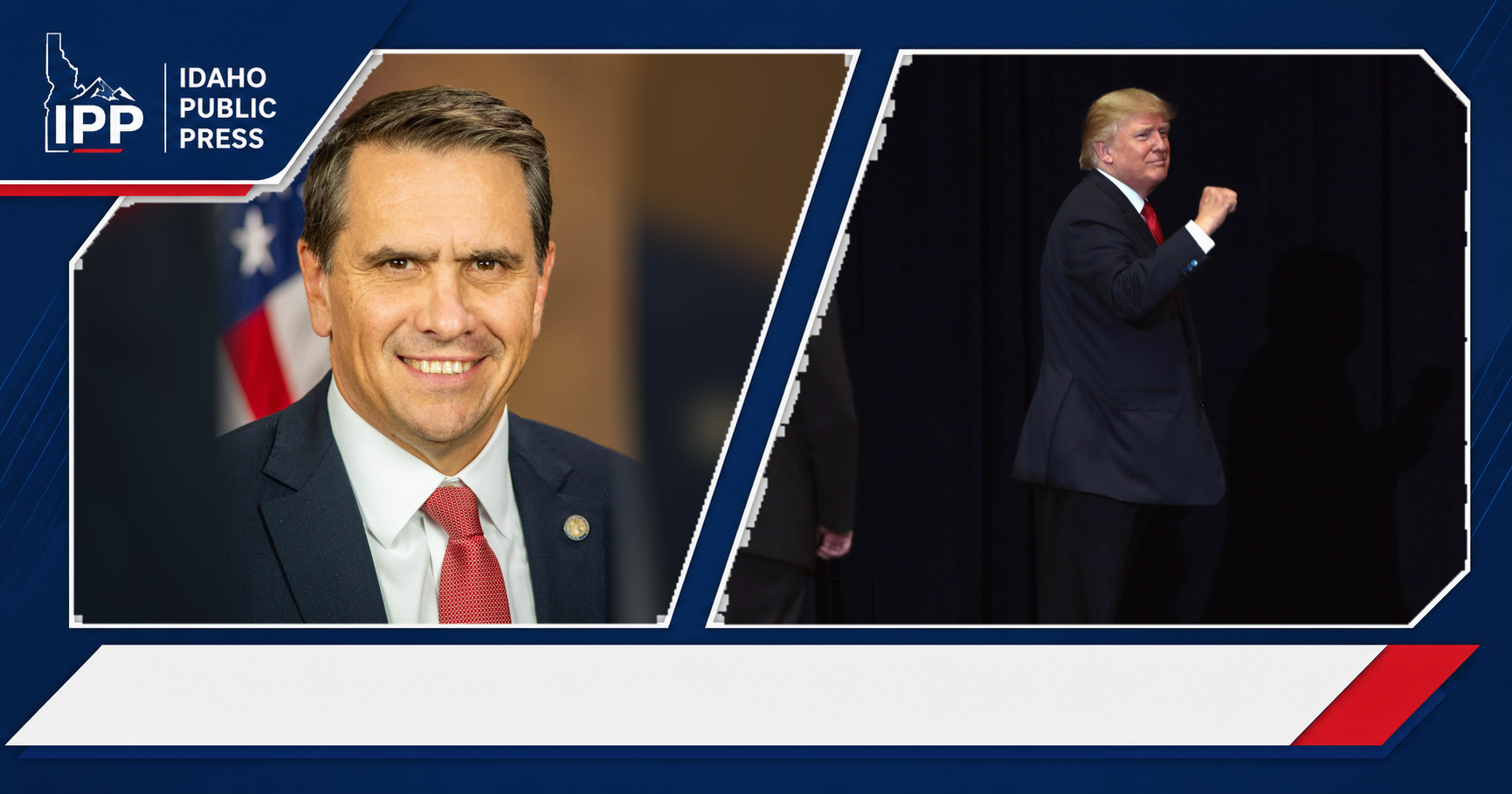
That is where the legal-expert critique gains traction. Blanche is not just any senior Justice Department official; he previously represented Donald Trump before joining the department. In a disclosure fight where DOJ has also addressed Trump-related claims in its own public explanation, critics argue that Blanche’s visible role creates an avoidable credibility problem.
There is no public finding in the documents reviewed here that Blanche acted improperly. The concern is narrower but still serious: whether the department’s handling of the Epstein material looks sufficiently independent to persuade people who do not already trust the process.
What DOJ says it released
The Justice Department’s public statement frames the Epstein production as a sweeping compliance effort under the Epstein Files Transparency Act, which DOJ says was signed into law by President Trump on November 19, 2025. The department said the files were pulled from several major sources, including Florida and New York cases against Epstein, the New York case against Maxwell, investigations into Epstein’s death, FBI investigations and an Office of Inspector General inquiry.
DOJ also said it over-collected materials and withheld only certain categories. Those included duplicate documents, privileged material, records covered by statutory exceptions such as depictions of violence, and items unrelated to the Epstein or Maxwell case files.
The department emphasized the size of the review. More than 500 attorneys and reviewers contributed, according to DOJ, and the U.S. Attorney’s Office for the Southern District of New York used an added protocol tied to a court order requiring certification that victim-identifying information would not be publicly produced unredacted.
That is DOJ’s strongest argument: this was not described as a curated political document dump but as a large, legally constrained production meant to satisfy a transparency law while protecting victims.
Why redactions are combustible
The Epstein records occupy a uniquely volatile space. They involve criminal investigations, victim privacy, powerful people, public conspiracy theories and years of distrust over what the government has or has not disclosed.
DOJ said reviewers were instructed to limit redactions to the protection of victims and their families. It also said notable individuals and politicians were not redacted from the release of any files.
That statement cuts both ways. Transparency advocates want powerful people named if they appear in official records. But the public also needs a basic warning: appearing in Epstein-related files is not, by itself, evidence of criminal conduct.
DOJ’s own release underlines that danger. The department said the production may include fake or falsely submitted images, documents or videos because material sent to the FBI by the public was included if it was responsive to the act. DOJ specifically warned that some documents contain what it called untrue and sensationalist claims against Trump submitted before the 2020 election.
Blanche’s role changes the optics
The Blanche issue lands in that exact gap between legal authority and public confidence. Senior DOJ officials can be involved in major department matters. Political appointees are not automatically disqualified from work because it has political consequences.
Still, the Epstein files are not an ordinary records release. They sit at the intersection of criminal accountability and partisan suspicion. When a former Trump lawyer appears as a Justice Department interviewer in Maxwell-related material, skeptics see a process vulnerable to claims of selective framing, even if the underlying work was done by career staff and reviewers.
Defenders of DOJ’s approach would argue that leadership involvement can create accountability. A matter this high-profile requires senior oversight, clear redaction standards and direct responsibility for what is released.
Critics see the opposite risk. They argue the department should have leaned harder on career prosecutors, independent review protocols or court-supervised procedures to keep any political figure away from decisions that could be read as helping or hurting allies.
Names are not evidence
One of the biggest problems with the Epstein files debate is that the public often treats disclosure as accusation. A name in an investigative file, contact book, tip, email, photograph or interview transcript may have very different meanings depending on context.
Some records may be central to a criminal case. Others may be leads, duplicates, unrelated material, third-party submissions or items collected because investigators cast a wide net. DOJ’s statement that it over-collected should make readers more cautious, not less.
That is why redaction standards matter. Victim-identifying information must be protected. Unverified claims need context. Public officials and prominent figures should not be shielded from legitimate scrutiny, but they also should not be convicted by proximity to a file name.
The strongest version of the legal expert’s warning is not that the Epstein records prove one hidden theory. It is that the release process has to be clean enough that people can separate evidence from noise.
What remains unclear
Several questions remain unresolved from the public material. It is not clear how decisions were made about which officials participated in interviews, how Blanche’s involvement was vetted, or whether any internal ethics guidance addressed his prior representation of Trump.
It is also unclear how much of the unredacted archive is available to congressional oversight bodies, courts or independent reviewers, and how disputes over victim privacy will be handled if new challenges arise.
The clean takeaway is this: the Epstein files fight is no longer just about whether more pages should be released. DOJ says it has produced nearly 3.5 million pages. The harder question is whether the public can trust the chain of review, the redaction choices and the officials explaining what the files mean.
That is why Todd Blanche’s role has become a flashpoint. In a case already defined by secrecy and suspicion, even the appearance of political entanglement can become the story.





Leave a Reply