
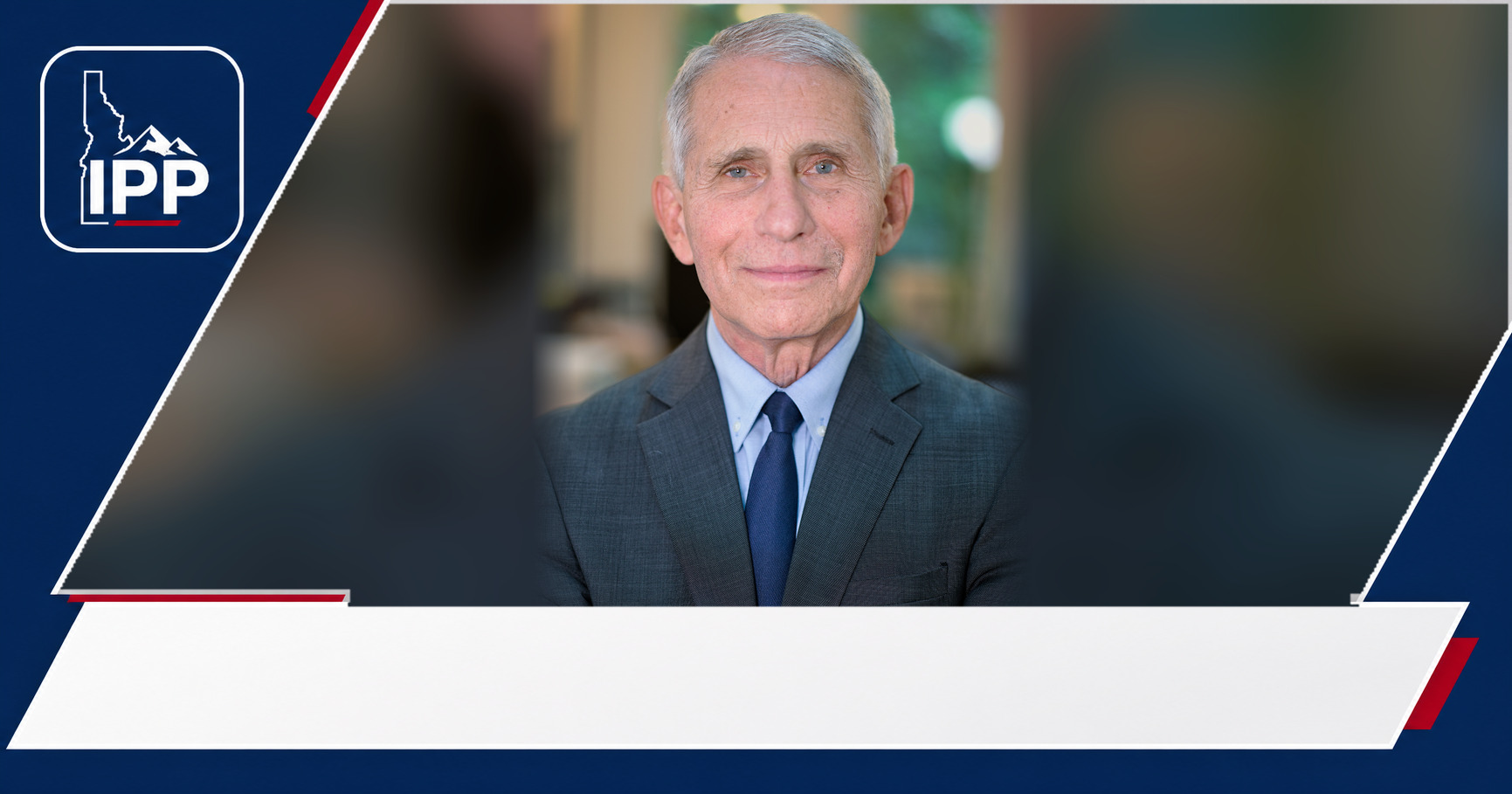
The former NIAID director’s latest hearing appearance was not just another round of COVID-era argument. It reflected a broader shift in Washington’s pandemic probes, where testimony can become both evidence and political weapon.
Anthony Fauci prepared a detailed strategy for a high-stakes hearing and arrived at the Senate hearing on Wednesday with what CNN described as a single goal: survive. The hearing was high-stakes because Fauci, the former director of the National Institute of Allergy and Infectious Diseases, is still the most recognizable face of the U.S. COVID-19 response.
The reported rationale behind Fauci’s intensely planned approach — “There was no other option” — matters because this Senate appearance came after years of congressional scrutiny, including a June 3, 2024 House hearing focused on pandemic lessons and accountability.
Strategy built around survival
CNN reported that Fauci arrived at the Senate hearing with a tightly planned approach. That framing is important: the goal was not to win over every critic in the room, or to relitigate every argument from the pandemic years.
It was to get through a politically charged proceeding without creating new vulnerabilities. For a witness as polarizing as Fauci, that is a different kind of preparation than the one used for a scientific briefing or public health interview.
The phrase attached to the strategy — “There was no other option” — points to the bind surrounding him. Engage too broadly, and every answer can become a new clip, claim or follow-up demand. Say too little, and critics can frame caution as evasion.
That tension is why the hearing drew attention beyond the usual congressional audience. Fauci’s name still functions as shorthand for larger fights over school closures, masks, vaccines, government trust and the origin of COVID-19.
Why the hearing carried risk
Congressional hearings are not normal interviews. Witnesses speak in a setting designed for public accountability, but also for performance. Members of Congress have limited time, sharp incentives and often sharply different goals.
For Fauci, the risk was amplified by his long public record. He served as NIAID director for decades and became a daily presence during the pandemic, first under President Donald Trump and later during the Biden administration as chief medical adviser.
That history gives critics a large archive to challenge. It also gives supporters a record they view as public service under extraordinary pressure.
The result is a hearing environment where the same answer can be interpreted in opposite ways. One side may see careful wording as legal discipline. Another may see it as proof that basic questions are not being answered.
The 2024 hearing set the stage
The official Congress.gov record shows that Fauci previously appeared on June 3, 2024, before the House Select Subcommittee on the Coronavirus Pandemic, part of the Committee on Oversight and Accountability.
That hearing was titled “A Hearing With Dr. Anthony Fauci.” The congressional record identified him as the former director of the National Institute of Allergy and Infectious Diseases and described the proceeding as part of an effort to investigate the COVID-19 pandemic and examine lessons for future outbreaks.
That context matters because the latest Senate appearance did not emerge in a vacuum. By the time Fauci returned to the hearing room, lawmakers had already spent years probing pandemic decision-making, federal health agency communications and the government’s response to uncertainty.
Public health questions that were once debated in real time have since become questions of documentation, memory and blame. A witness strategy built around restraint is a response to that changed terrain.
Two very different readings
Fauci’s allies and critics are likely to read the same strategy in sharply different ways.
Supporters often argue that Fauci has become a stand-in for frustrations that no single official could have controlled. From that perspective, a disciplined hearing approach is not suspicious; it is necessary protection against a process designed to produce viral confrontation.
Critics take the opposite view. They argue that public officials who shaped pandemic guidance owe direct answers, especially when decisions affected schools, businesses, families and trust in government institutions.
Both readings can coexist in the same hearing room. That is what makes the politics so durable. The fight is not only over what Fauci says now, but over what the country believes it learned from 2020, 2021 and the years that followed.
What readers should watch
The practical significance of the hearing is less about one dramatic exchange than about what comes next. Congressional testimony can shape future subpoenas, reports, referrals and campaign messaging.
Several questions matter now:
- Whether the Senate hearing produces new documents, sworn clarifications or follow-up demands.
- Whether Fauci’s strategy limits political fallout or fuels further criticism.
- Whether lawmakers focus on concrete pandemic preparedness reforms or continue fighting over past decisions.
There is also a broader institutional issue. If former health officials conclude that every answer can become a legal or political trap, future officials may become more guarded during the next emergency.
That could protect individuals. It could also make public accountability harder.
The unresolved takeaway
The sharpest point in CNN’s account is not that Fauci prepared. Any witness facing a hostile or high-stakes congressional setting would prepare carefully.
The more revealing point is that the preparation itself became the story. Fauci’s team appears to have treated the hearing less as a chance to persuade and more as an exercise in damage control.
That says something about the state of pandemic politics. Years after the emergency phase of COVID-19, Washington is still arguing over who was right, who was wrong and who should answer for decisions made under pressure.
Fauci’s strategy may help him get through a hearing. It will not settle the larger fight over trust, accountability and how the U.S. should handle the next public health crisis.








Leave a Reply