
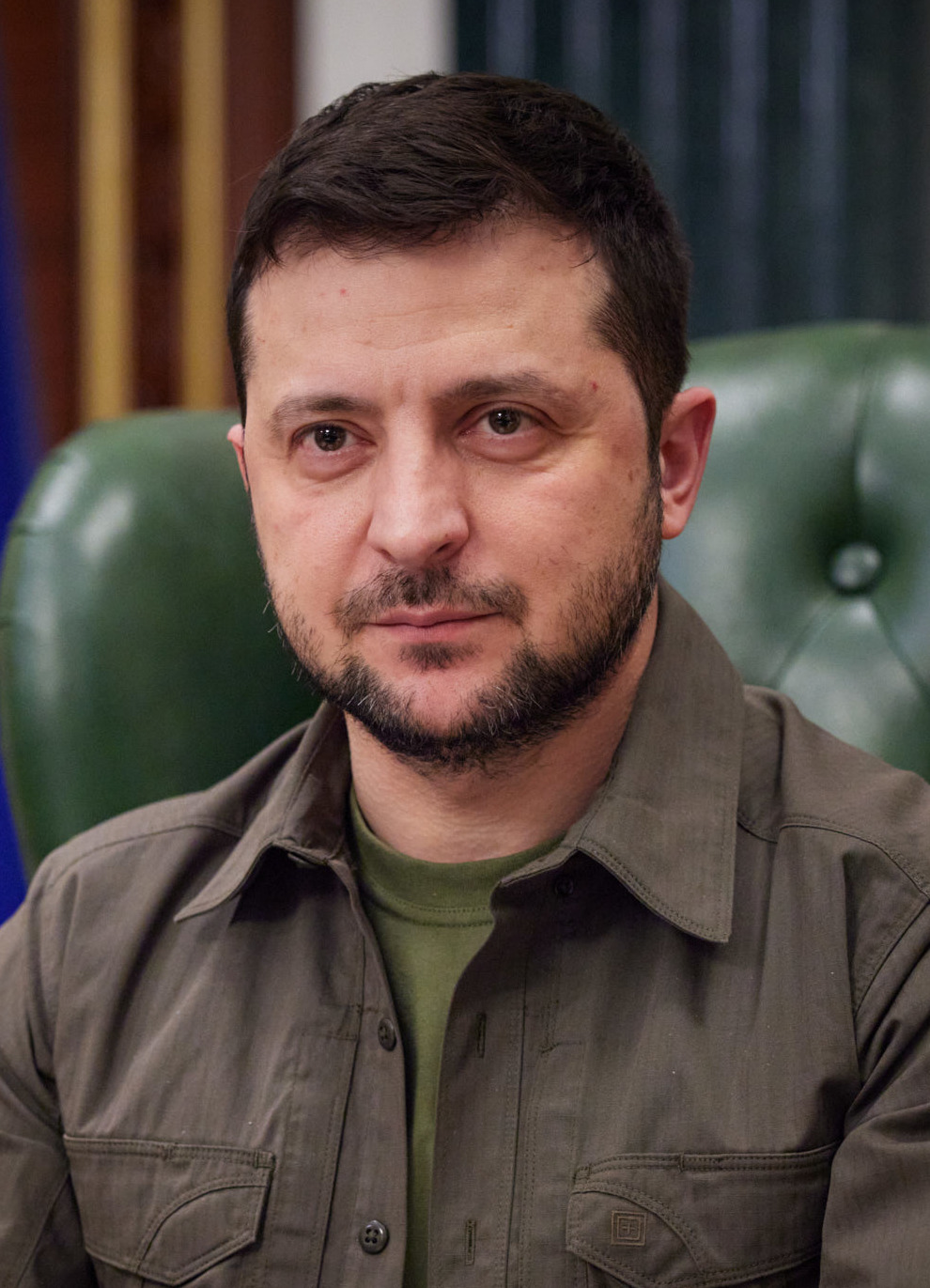
The strike landed just as NATO leaders faced fresh pressure to prove their support for Ukraine is more than summit language. Zelensky’s message is aimed at a specific weakness: the weapons needed to stop missiles before they hit cities.
A deadly Russian attack on Kyiv has pushed Ukraine’s war back to the center of NATO’s agenda at the worst possible moment for leaders hoping to manage expectations.
President Volodymyr Zelensky is asking allies for “strong decisions” after the strike, framing the summit as a test of whether NATO can move faster than Russia’s missiles.
Kyiv attack sharpens the summit
At least 15 people were killed in Kyiv, according to the head of the city’s military administration as cited in reports carried by Time and other outlets. Six more were reported killed in the wider Kyiv region, with at least 56 people injured overall.
The timing matters. The attack came as NATO leaders were gathering for a two-day summit where Ukraine’s security, weapons supplies and long-term place in the Western alliance are expected to dominate private talks and public statements.
Zelensky’s appeal was blunt. He argued that the United States and Europe have enough power to stop Russian attacks, but that Ukraine still lacks sufficient supplies of the interceptors needed to protect cities from ballistic missiles.
That is the gap Ukraine wants allies to confront: not whether NATO supports Kyiv in principle, but whether it can deliver the right systems, ammunition and political commitments quickly enough to change conditions on the ground.
Zelensky targets air-defense weakness
Ukraine has spent much of the war asking for weapons in phases: artillery, tanks, long-range missiles, fighter jets, drones and air-defense systems. The latest appeal is focused on a narrower but urgent problem: intercepting Russian missiles before they reach residential neighborhoods, power facilities and command infrastructure.
Zelensky said an insufficient supply of U.S.-made interceptors has made it harder for Ukraine to defend itself against Russian ballistic missile attacks, according to the Time report. That is a pointed message for Washington, but it also lands on European governments that have pledged to carry more of the burden.
Air defense is politically easier for Ukraine’s allies to justify than some offensive weapons. It is defensive by design, it protects civilians, and it does not require NATO personnel to enter the war. But the hardware is expensive, stocks are limited, and every interceptor sent to Ukraine is one fewer available for another contingency.
That scarcity is why Zelensky is pushing the issue at a summit. Ukraine does not only need sympathetic speeches. It needs countries to decide who can release systems, who can pay for replacements, and who can speed up production.
Russia casts attack as retaliation
Russia’s Defense Ministry described the strike as a massive attack in retaliation for Ukrainian strikes inside Russia, according to the same reporting. Moscow has repeatedly framed large-scale missile and drone barrages as responses to Ukrainian operations, even when civilian areas are hit.
Ukraine has stepped up drone attacks on Russian oil refineries and energy infrastructure, with reports indicating pressure on Russia’s fuel supplies. Kyiv argues those sites are part of Moscow’s war machine because they fund, fuel and support the invasion.
The pattern has become familiar: Ukraine hits military or economic targets inside Russia, Russia launches waves of missiles and drones, and Ukrainian officials renew calls for more air defenses. Each cycle puts additional stress on Ukraine’s power grid, emergency services and civilian morale.
For NATO leaders, the question is how to support Ukraine’s right to defend itself without letting the war spiral into a direct NATO-Russia confrontation. That tension has shaped nearly every major weapons decision since Russia’s full-scale invasion began.
NATO’s promise meets battlefield math
NATO has built new formats for working with Ukraine, including the NATO-Ukraine Council, launched in 2023 as a forum for crisis consultations and decision-making. At the time, NATO said allies stood with Ukraine in its struggle for freedom and sovereignty and urged continued support.
Those structures matter, but they do not shoot down missiles. The practical question at this summit is whether the alliance can turn coordination into delivery: more interceptors, more funding, more drone procurement and more predictable military aid.
The European Union has already released the first installment of a €6 billion defense package aimed at supporting drone procurement, part of a broader €90 billion Ukraine Support Loan, according to the report. European Commission President Ursula von der Leyen has signaled that more support is expected.
Still, Ukraine’s immediate need is measured in nights survived. A pledge that arrives months later may help the next phase of the war, but it does not protect families sleeping through the next air raid alert.
The U.S. role is unavoidable
Zelensky’s criticism of interceptor shortages points directly to the United States because many of the most effective systems and munitions Ukraine relies on are U.S.-made or U.S.-controlled. Even when European countries are willing to buy or transfer equipment, Washington often plays a key role in approvals, supply chains and replenishment.
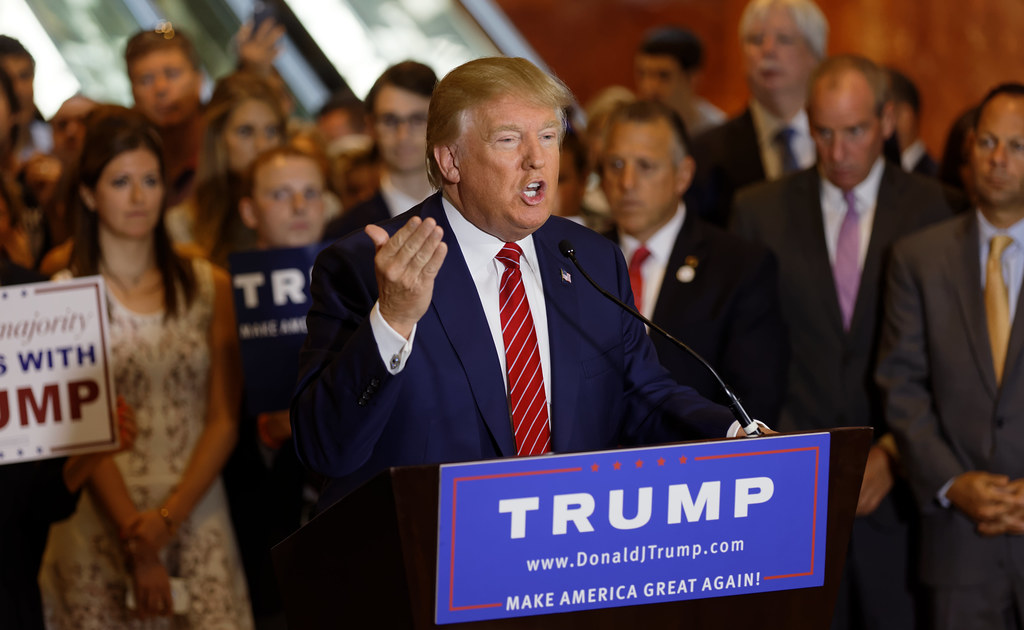
President Donald Trump is expected to meet Zelensky during the NATO summit to discuss possible ways to end the war, according to the report. That meeting could become one of the summit’s most closely watched moments, especially if Ukraine is seeking both military commitments and reassurance about U.S. staying power.
Zelensky has thanked European partners for help while also raising concerns about the pace of U.S. aid. That dual message reflects Ukraine’s larger diplomatic strategy: praise allies enough to keep them close, but pressure them hard enough to avoid delays becoming normal.
For Trump, the meeting carries its own stakes. Any push for negotiations will be judged in Kyiv and across Europe by whether it strengthens Ukraine’s hand or pressures it toward concessions while Russia continues strikes.
What to watch next
The strongest signal from the summit may not be a single declaration. It may be whether allies announce specific air-defense transfers, interceptor purchases, production plans or financing mechanisms that can be tracked after leaders leave.
Ukraine will also watch the language around NATO membership. Zelensky’s government has sought a clearer path into the alliance, and the Ukrainian president’s office said he met NATO Secretary General Mark Rutte ahead of the summit to coordinate expectations. But NATO remains cautious because admitting Ukraine while the war is ongoing would raise immediate questions about collective defense.
That leaves Ukraine in a difficult middle ground: treated by NATO as essential to European security, but still outside the alliance’s Article 5 protection. Russia knows that gap exists, and every attack on Kyiv is also a message to Western capitals about the cost of continued support.
The clean takeaway is grim but simple. Zelensky is not asking NATO to notice that Ukraine is under attack. He is asking leaders to prove, with weapons and timelines, that they are willing to stop more of those attacks from succeeding.







Leave a Reply