
The White House posted video of Trump attending the July 28 service for Senator Lindsey Graham. A moment that looked like dozing has become another flashpoint in a broader debate over age, stamina and public transparency.
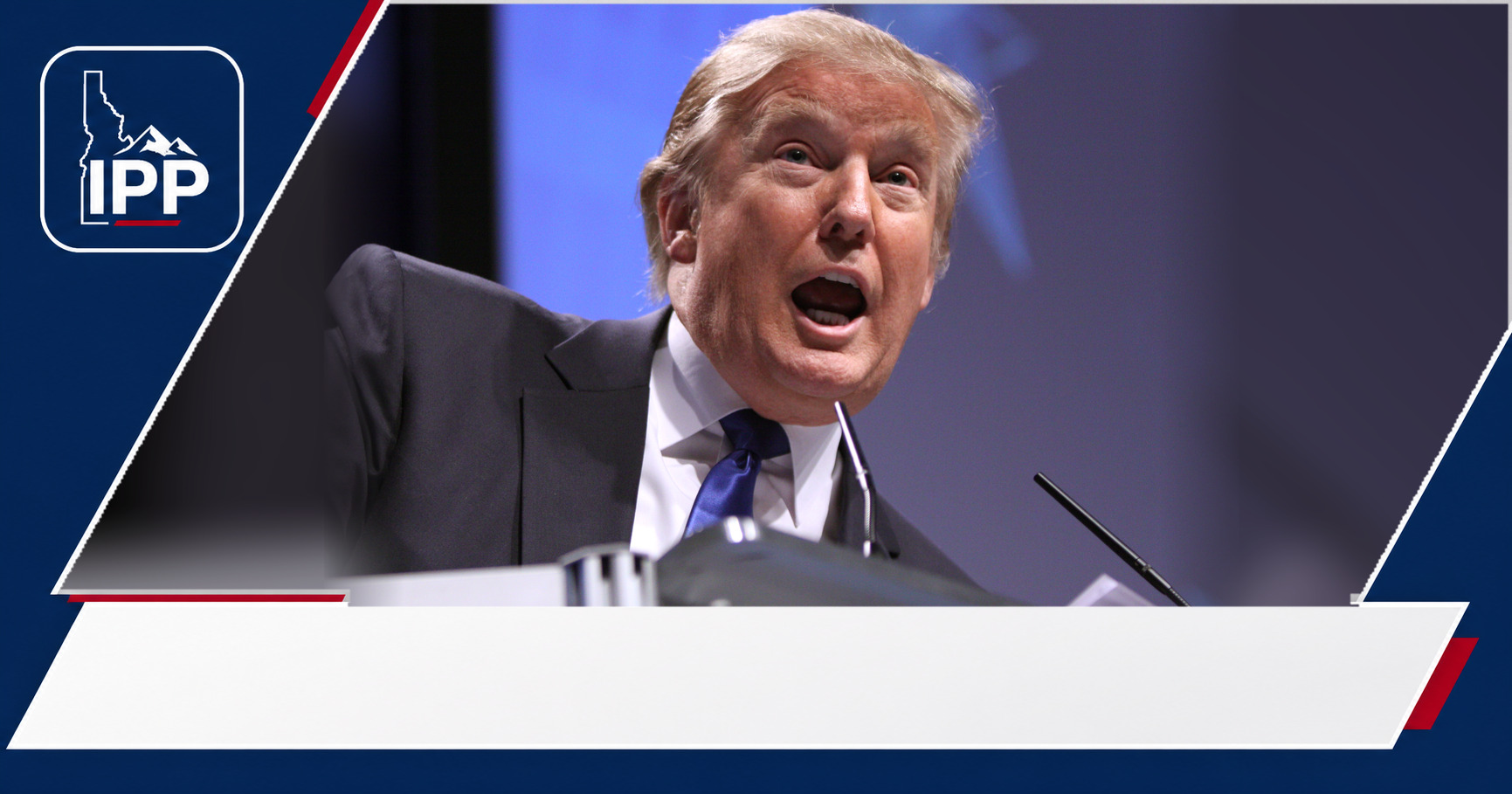
Donald Trump appeared to doze off during Lindsey Graham’s funeral, and health concerns are growing after the moment circulated alongside White House video showing the president at the service. Trump attended the funeral service for Senator Lindsey Graham on July 28, 2026, according to the White House, making the optics politically sensitive as well as personally somber.
Donald Trump appears in official White House listings for two funeral-related videos that day, including a 29-minute recording titled President Trump Attends the Funeral for Senator Lindsey Graham. The Daily Express framed the clip as a possible dozing moment; the larger issue is what can, and cannot, be fairly concluded from a brief public appearance.
A solemn service becomes scrutiny
Funerals for sitting or former national figures are usually staged with extreme care. Cameras are present, movements are limited, and even small expressions can be magnified far beyond the room.
That is what happened after footage of Trump at Graham’s funeral drew attention online. Some viewers interpreted his closed eyes and still posture as dozing. Others argued the clip could show a quiet moment of reflection, fatigue after a demanding schedule, or simply an unflattering instant captured by a camera.
The White House’s own public video archive confirms Trump attended Graham’s funeral on July 28. It lists both a short video, President Trump Attends Lindsey Graham’s Funeral, and a longer 29-minute video, President Trump Attends the Funeral for Senator Lindsey Graham.
What the official listing does not do is characterize Trump’s condition during the service. It documents attendance, not a medical state.
What is actually verified
The most solid facts are narrow. The White House published material showing Trump at Lindsey Graham’s funeral on July 28, 2026. It also previously issued a presidential proclamation after Graham’s death.
That proclamation, dated July 13, 2026, ordered U.S. flags flown at half-staff at the White House, public buildings, military posts, naval stations, U.S. embassies and other federal facilities abroad until 6 p.m. on July 18. It described the order as a mark of respect for Graham’s memory and longstanding service.
The Daily Express report turned attention to Trump’s appearance at the funeral and described him as appearing to doze off. That is an observation about video, not a clinical finding.
No public medical assessment cited in the available material establishes that Trump’s posture at the service was caused by illness, exhaustion or any specific health issue. That distinction matters, especially when the subject is a president.
The health question is political
Speculation about presidential health is never only about one image. It is about public trust, the physical demands of the office and the long-running American discomfort with how much voters are told about a president’s condition.
Trump’s age and stamina have been recurring subjects in political coverage for years. A moment that might be ignored for a private citizen becomes a national story when it involves the commander in chief seated at a high-profile funeral.
Supporters are likely to see the reaction as overreach: a short clip turned into a narrative, with opponents eager to read weakness into a solemn setting. Critics are likely to see it differently: another reason to press for more transparency about the health of the country’s top elected official.
Both reactions show why these moments travel so quickly. They offer visual evidence that feels immediate, even when the evidence is ambiguous.
Video can mislead fast
Short political clips are persuasive because they remove friction. A viewer does not need a policy brief or a medical report. A few seconds of video can appear to tell the whole story.
But a funeral setting is a poor place to infer much from posture alone. Attendees often sit still for long stretches. They may close their eyes during prayers, music or moments of silence. Cameras may catch them between expressions.
That does not mean the clip is irrelevant. Public figures understand that official ceremonies are watched closely, and presidents are judged on stamina as well as words. It does mean the strongest responsible description is cautious: Trump appeared to some viewers to doze off; the available sources do not prove why.
The gap between appearance and proof is where political narratives grow. Once a clip is framed as a health concern, every blink, pause or slow movement can be pulled into the same story.
Graham’s death set the stage
Graham’s funeral was not just another public event on Trump’s calendar. The White House proclamation called attention to Graham’s longstanding service and ordered flags lowered across federal sites at home and abroad.
That ceremonial response placed the funeral within the rituals of national mourning. Trump’s presence there was part of the office: honoring a senator, appearing before cameras and participating in a public farewell.
It also created a delicate contrast. The day was meant to focus on Graham’s life and service. Instead, a visual moment involving Trump began to compete for attention.
That tension is common in modern politics. The official purpose of an event can be overtaken by a single unscripted image, especially when it touches a standing concern about a leader’s fitness.
What remains unclear
The key unanswered question is simple: what was happening in the moment viewers interpreted as dozing? The available material does not answer that. It shows attendance and ceremony, not intent, fatigue level or medical status.
It is also unclear whether the White House will address the reaction directly. Administrations often avoid giving oxygen to viral moments, particularly when officials believe the interpretation is unfair or politically motivated.
The more durable question is broader than this funeral. How much should the public know about a president’s health, and what level of evidence should trigger concern? Those questions do not have clean answers, but they become sharper whenever a visual moment cuts through the usual political noise.
For now, the responsible takeaway is limited but meaningful: Trump’s appearance at Lindsey Graham’s funeral has drawn renewed scrutiny, the White House record confirms he attended the July 28 service, and the health concerns being discussed publicly rest on interpretation of video rather than confirmed medical information.


Leave a Reply