
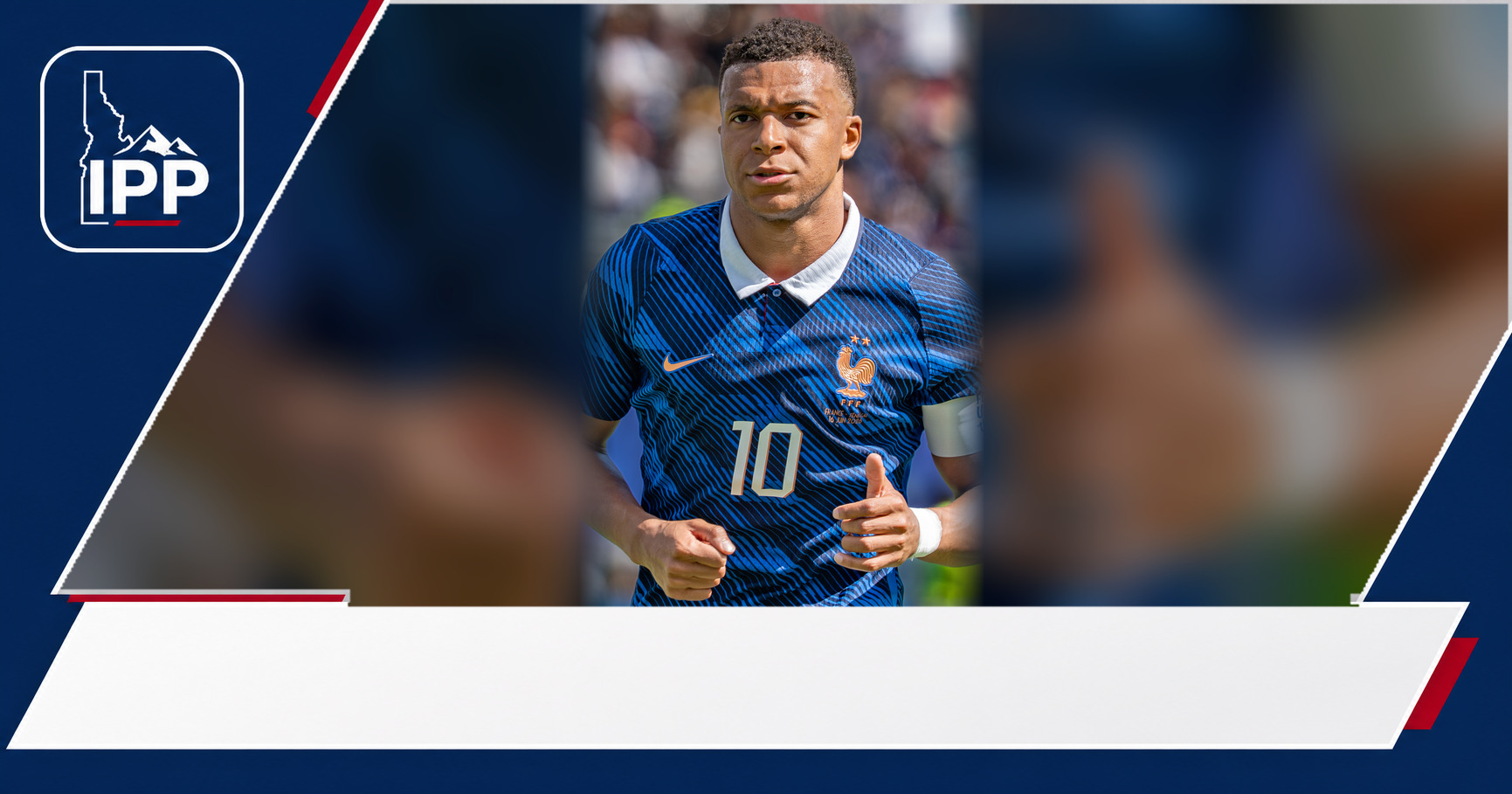
The France captain mixed gratitude with regret after a tournament that produced individual history but no trophy. His message also lands as the national team moves beyond the Didier Deschamps era.
Kylian Mbappe shared a lengthy statement after France’s World Cup loss, reacting on Tuesday after the France national football team lost to Spain 2-0 in the World Cup semifinal. The France captain, who scored 10 goals and won the Golden Boot, used a 520-word message to thank supporters, own the disappointment and acknowledge Didier Deschamps as his long tenure closed.
When Mbappe shares lengthy reflections, the wording matters. This was not a routine social media note after a bad night; it was an attempt to explain how a tournament that brought personal history still ended in collective pain for France.
Mbappe chose pain and gratitude
Mbappe’s central message was simple: France gave everything, but the ending was not enough. According to extracts of the post reported by the Daily Mail, he wrote that France were not bringing home a collective trophy and that it hurt — and would keep hurting for a while.
That line carried the weight of the whole tournament. Mbappe could point to his Golden Boot, 10 goals and a place in World Cup scoring history, but he framed those achievements as incomplete without the trophy France came to win.
He also struck a careful tone with supporters. He suggested France may have owed them a better ending, while arguing the players could still be proud of what they put into the campaign.
That balance is the heart of the statement: no denial, no deflection, no full mea culpa either. Mbappe sounded like a captain trying to hold two truths at once — France failed to finish the job, and the effort behind that failure still deserved recognition.
The Spain defeat still defines it
France’s World Cup did not end in the semifinal, but the 2-0 loss to Spain is the result that shaped the conversation. Reuters reported after that match that Mbappe called France too ‘sloppy’ to stop Spain, a blunt assessment that cut through the usual postgame language.
That matters because Mbappe’s later statement softened the emotional edges without rewriting the football. France did not lose because of bad luck alone. By his own earlier assessment, they failed to control enough of the details against a Spain side that imposed its plan.
The third-place game added another bruise, with France losing 6-4 to England, according to the Daily Mail. By then, the tournament had shifted from title chase to damage control, and Mbappe’s message arrived after the full emotional comedown.
For French fans, that is why the statement landed with more force than a standard thank-you. It came after time had passed, after the anger of the semifinal, and after the reality settled in: France had one of the world’s most decisive attackers at his peak and still finished fourth.
A Golden Boot with an asterisk
Mbappe’s 10 goals made him the tournament’s top scorer. The Daily Mail reported that the total also lifted him to 22 career World Cup goals, making him the most prolific man in World Cup history.
That is staggering company, but Mbappe did not present the Golden Boot as a consolation prize. He wrote that he was proud to win it, while adding that it would have meant far more with the World Cup beside it.
The phrasing was revealing. Some players use individual awards to defend their tournament. Mbappe did the opposite, using the award to underline the gap between personal brilliance and team success.
It also protected his teammates from an easy narrative. He credited their runs, passes and work, saying the award belonged to the team as much as to him. In a tournament where a star can become either scapegoat or savior, Mbappe pushed back on both extremes.
Deschamps’ exit adds weight
The statement also functioned as a farewell to Didier Deschamps, who has stepped down after 14 years in charge, according to the Daily Mail. Mbappe wrote that he had already said what he needed to say to Deschamps privately, then thanked the manager, staff and behind-the-scenes workers.
That private-public split was notable. Mbappe did not turn the post into a full tribute essay, but he made sure Deschamps’ final tournament was not treated as a footnote.
Deschamps’ France era included a World Cup title, another final and years of stability around a deep, demanding squad. Ending that run with a fourth-place finish and a semifinal defeat to Spain makes the exit feel unresolved rather than ceremonial.
For Mbappe, the timing is important. He is not just France’s most visible player; he is now the figure who will carry the team into the next managerial cycle. His post read like a player aware that the emotional ownership of the national team is shifting further onto him.
What he told the supporters
Mbappe spent a large part of the message addressing France fans directly. He thanked those who watched from home, gathered in bars or traveled to stadiums, including supporters who followed the team across the United States.
That section did more than flatter the fan base. It acknowledged the strange intimacy of a World Cup played far from home, where supporters invest late nights, travel money and national emotion into matches they cannot control.
He also leaned into football’s simplicity, writing that the game still comes down to a ball, a goal and the desire to score. From a player whose career is built on speed, pressure and expectation, that was a deliberate return to basics.
There is a tension there. Elite international football is a billion-dollar spectacle with tactical, commercial and political layers. Mbappe’s message tried to pull it back toward childhood posters, shared nights and the basic joy of watching France chase a goal.
The questions France cannot avoid
Mbappe’s post gives France an emotional frame, but it does not answer the football questions. Why were France unable to disrupt Spain in the semifinal? How should the team evolve after Deschamps? Can a side with Mbappe scoring 10 goals afford to finish without a trophy?
There are competing ways to read the tournament. One view is that France came close enough to justify pride: a semifinal run, a Golden Boot captain and a squad still stacked with talent. Another view is harsher: with Mbappe in this form, fourth place feels like a missed chance that may age badly.
Both views can be true. Tournament football is ruthless, and even great teams can be dragged into one bad matchup, one poor spell, one night where the opponent’s plan is cleaner. But France’s standard is no longer respectable survival. It is winning.
That is why Mbappe’s final note — that the story goes on — sounded less like closure than a promise. The statement gave supporters gratitude and grief. The next France chapter has to provide answers.


Leave a Reply