
The ruling does not excuse illegal working, but it does show how a flawed enforcement notice can undo a government penalty. It lands as ministers push harder on workplace immigration raids.
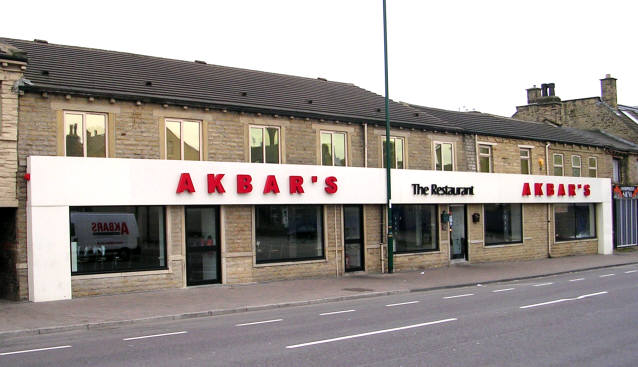
Restaurant avoids fine after a Home Office error: Akbar’s Restaurant in Middlesbrough has escaped a £15,000 penalty in an illegal migrant worker case after winning a legal challenge in the Supreme Court. A restaurant avoided a fine after the Home Office made an error in an illegal migrant worker case. The restaurant won a legal challenge in the Supreme Court. The Home Office’s mistake led to the penalty being overturned.
The case matters because the judges did not say illegal working rules are optional. They said the state must give employers accurate reasons when it imposes a civil penalty, especially when the bill is large and the consequences are serious.
The mistake that sank the fine
Akbar’s Restaurant was penalized after being caught employing a worker whose leave to remain in the UK had expired, according to the reported details of the case. The Home Office sought a £15,000 civil penalty against the Middlesbrough Indian restaurant.
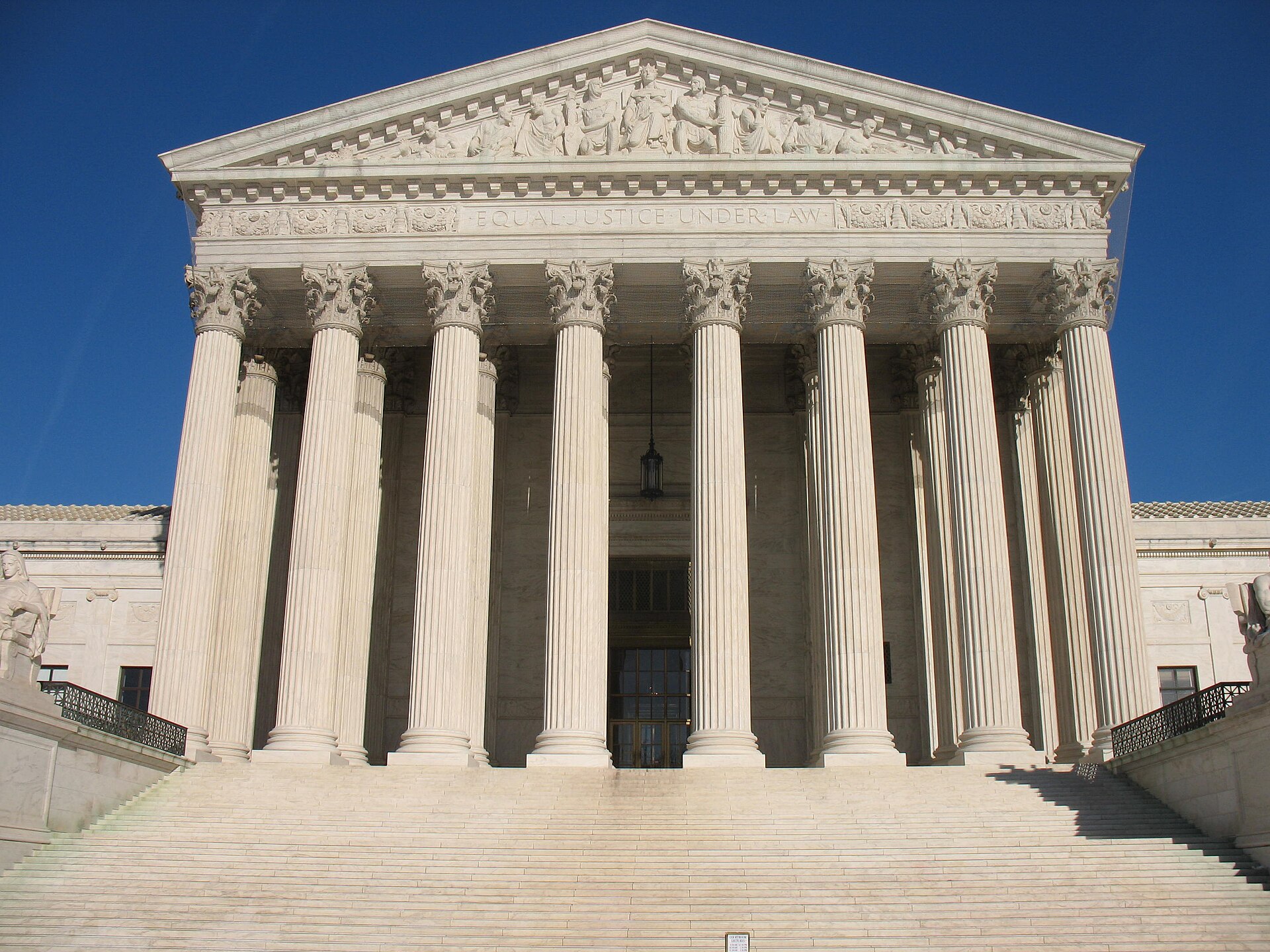
The restaurant challenged the penalty all the way to the Supreme Court. Its lawyers succeeded because the Home Office notice did not properly identify the legal basis for the fine.
That may sound technical. In practice, it was decisive. The Supreme Court ruled that the Home Office had failed to give the restaurant “accurate and sufficient” information about why the penalty had been imposed.
Five justices — Lord Sales, Lord Leggatt, Lady Rose, Lord Richards and Lady Simler — unanimously backed the restaurant’s appeal.
Why the notice mattered
The Home Office did not lose because the worker’s immigration status was found to be fine. The reported facts say the worker’s leave to remain had expired.
The issue was the penalty notice. Officials are required to tell an employer why they believe a civil penalty is payable. In this area, there are three possible grounds linked to a worker’s immigration status and right to work.
The Supreme Court found that the Home Office failed to specify the applicable reason. That failure left the restaurant without a clear explanation of the case it had to answer.
For an employer, that distinction matters. A business facing a penalty needs to know whether it is accused of hiring someone with no leave, someone whose leave had ended, or someone whose permission carried a condition barring the work. Those are not just labels; they shape how a business responds.
A win with clear limits
The ruling is a win for Akbar’s Restaurant, but it should not be read as a broad pass for employers who hire people without the right to work. The court’s concern was fairness in enforcement.
Civil penalties for illegal working are meant to push employers to check a worker’s status before hiring and to keep records showing those checks were done. Restaurants, takeaways, care providers, construction firms and other labor-heavy businesses are frequent targets because staffing can be fast-moving and documentation can be complex.
Employers often argue that the system is unforgiving, especially for small businesses without in-house legal teams. The government’s counterargument is that illegal working can undercut lawful employers, expose vulnerable migrants to exploitation and weaken immigration control.
This judgment sits between those positions. It does not weaken the principle that employers must comply. It says the Home Office must also comply with its own procedural duties when it punishes them.
Crackdown raises the stakes
The case lands during a sharper government focus on illegal working. Labour has described its campaign as the biggest on record, and enforcement activity has been framed as part of a wider effort to show control over the immigration system.
That political backdrop raises the stakes for both sides. For ministers, workplace raids and penalties are visible proof of enforcement. For businesses, a penalty can be financially damaging and reputationally toxic even before any appeal is resolved.
A £15,000 fine is not a paperwork nuisance for many independent restaurants. It can mean lost cash flow, higher borrowing pressure, reduced staffing or a fight for survival in a sector already hit by food costs, wages, rent and energy bills.
That is why the Supreme Court’s emphasis on clear reasons matters beyond one Middlesbrough restaurant. If the Home Office is ramping up enforcement, the machinery behind that enforcement has to be reliable.
The lesson for employers
The practical takeaway for businesses is not to assume that a Home Office penalty notice is automatically valid — or automatically invalid. It has to be read carefully.
Employers facing a civil penalty usually need to check three things quickly: what the Home Office says the worker’s status was, what right-to-work checks were carried out, and whether the penalty notice explains the legal reason for liability.
Documentation is often the dividing line. A business may be able to show it carried out the required checks at the right time. But if records are missing, incomplete or stored casually, defending a penalty becomes harder.
This case adds another point: the Home Office must do its part with precision. If the department does not state the correct basis for a penalty, an employer may argue it has been denied a fair opportunity to respond.
What remains unclear now
The available report does not say whether the Home Office will try any further step after the Supreme Court defeat, or whether it can do so in this specific case. The confirmed outcome is that the £15,000 penalty was overturned because the notice was legally flawed.
It is also unclear whether the ruling will trigger changes in how Home Office officials draft civil penalty notices. A unanimous Supreme Court judgment is hard to dismiss as a one-off inconvenience, especially if similar notices used the same wording or approach.
For now, the judgment draws a sharp line. The government can pursue employers over illegal working. It can impose serious financial penalties when the law allows. But it must tell a business exactly why it is being punished.
That is the core of the Akbar’s Restaurant case: not a loophole, but a reminder that enforcement power depends on accuracy. In a crackdown, mistakes do not become harmless just because the policy is popular.






Leave a Reply