
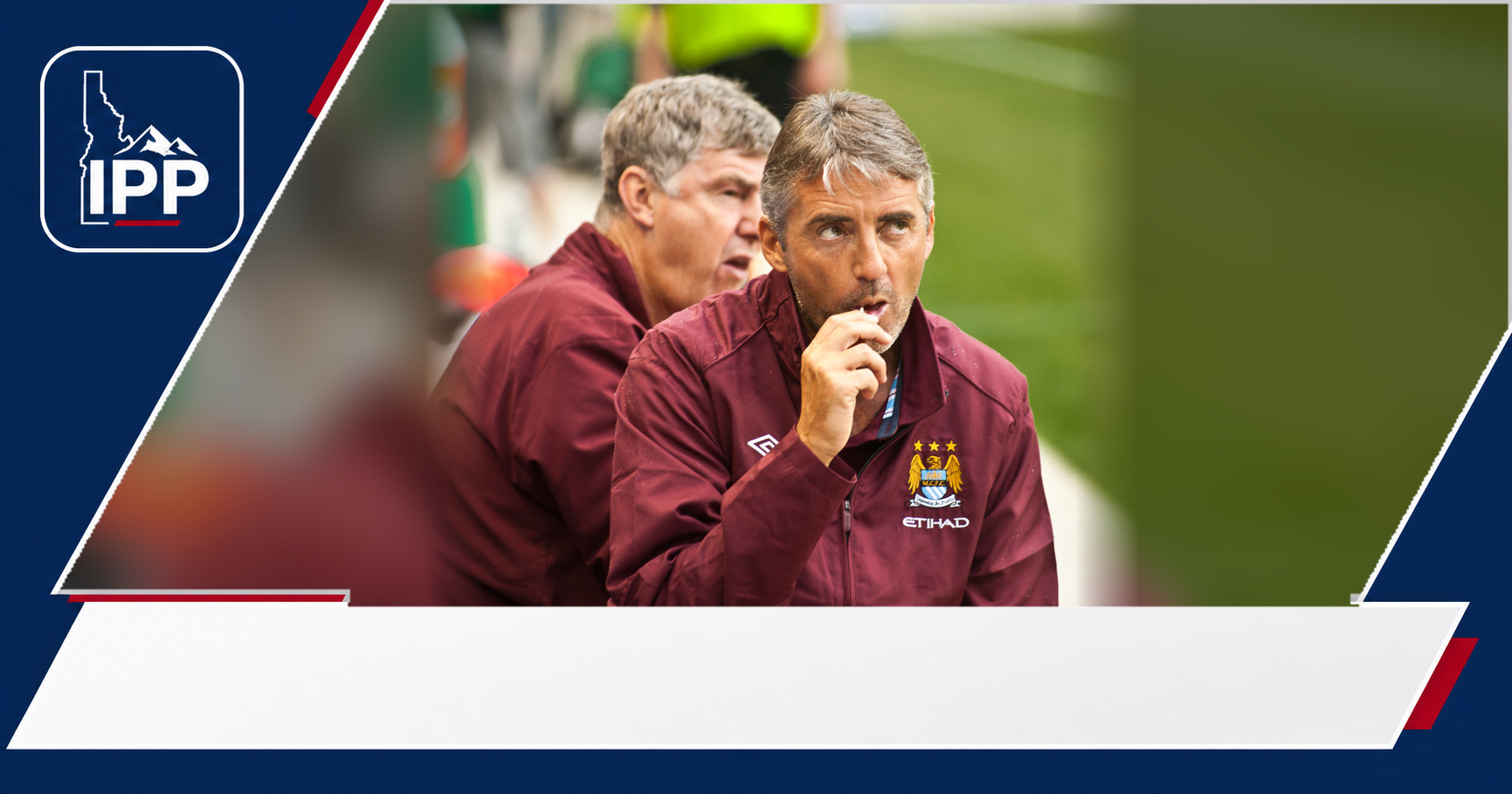
Mancini won Europe with Italy, then left abruptly. Now he returns to a national team short on time, confidence and easy answers.
Roberto Mancini is returning to coach Italy’s national football team. Italy failed to qualify for the World Cup for the third straight time, a staggering collapse for the four-time champion and the latest blow after the 2022 miss. The appointment was announced on Tuesday by Italian soccer federation president Giovanni Malagò in Milan, putting Mancini back at the center of Italy’s soccer crisis nearly three years after he resigned.
Roberto Mancini returns not as a luxury hire, but as a rescue option. The Azzurri need stability, a plan and credibility fast, and the federation has chosen the same coach who once turned a previous humiliation into a European title.
A familiar fix for Italy
Malagò said time was running out and that Mancini was the person who should become Italy coach “for a whole list of reasons,” according to comments reported by the Associated Press. A news conference with Mancini and Claudio Ranieri was expected to follow on Wednesday.
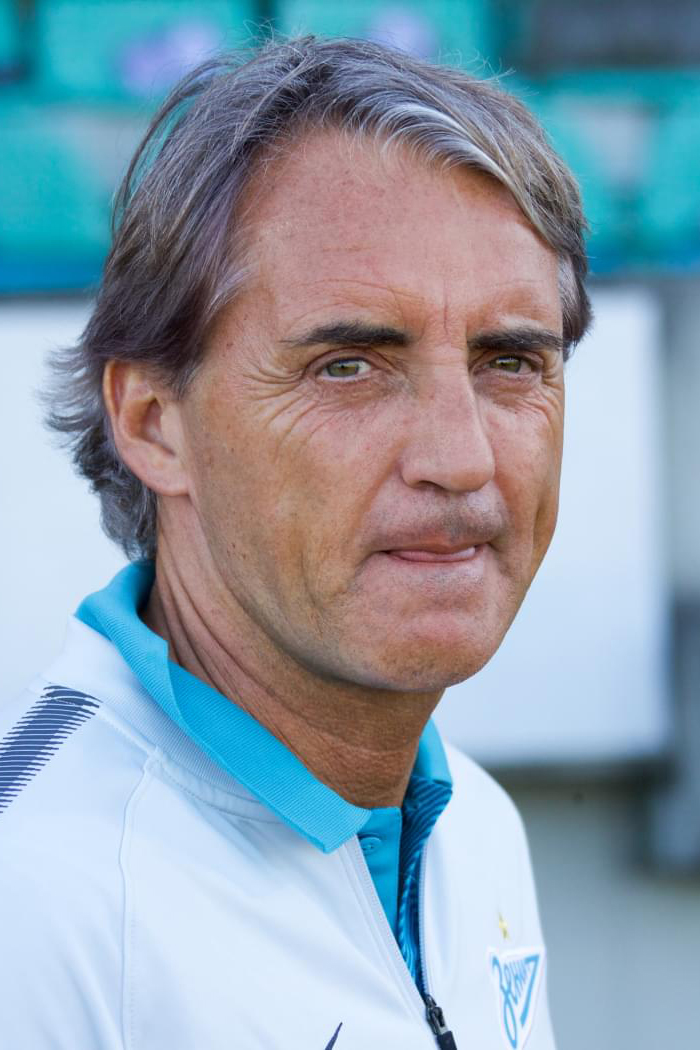
Ranieri is also part of the reset. He will become Italy’s technical director after Paolo Maldini stepped down the previous day, just 16 days after being appointed. That detail matters because it shows how unstable the Italian setup had become even before Mancini’s return was made official.
The appointment is a sharp turn back toward a known figure. Mancini is 61, decorated, and deeply tied to Italy’s recent highs and lows. He led the Azzurri to the European Championship title in 2021, but he also remained in charge when Italy missed the 2022 World Cup after a playoff loss to North Macedonia.
That combination makes the move both logical and risky. Mancini knows the player pool, the pressure and the federation politics. He also brings unresolved questions from the way his first spell ended.
The exit still shadows him
Mancini’s first Italy tenure ended abruptly in August 2023. He resigned, then took over Saudi Arabia’s national team two weeks later, a sequence that angered many Italian fans and raised doubts about commitment and timing.
Malagò acknowledged that history when asked about the sudden departure. He said the necessary assessments had been made, that he was aware of Mancini’s recent apologies and that all sides had made their evaluations.
That is the delicate part of this reunion. Italy is asking Mancini to restore trust inside a program he once left unexpectedly. Supporters may remember Wembley and the Euro triumph, but they also remember the shock of his resignation.
For the federation, the calculation appears simple: the available options narrowed, the calendar tightened and Italy needed someone with immediate authority. Mancini’s baggage did not disappear, but his résumé carried weight.
From Wembley to another miss
Mancini first took the Italy job after the national team failed to reach the 2018 World Cup, losing a playoff to Sweden. He inherited a bruised side and rebuilt it with youth, movement and a more ambitious style than Italy had often been associated with.
The payoff was enormous. Italy won the year-delayed Euro 2020 tournament in 2021, beating England at Wembley Stadium in a penalty shootout. Between 2018 and 2021, Mancini’s team also produced a world-record 37-match unbeaten run.
Then came the reversal. Italy lost 1-0 at home to 67th-ranked North Macedonia in a 2022 World Cup playoff semifinal, missing the tournament for the second straight cycle. Mancini kept his job, but the aura around the project cracked.
The latest failure deepened the crisis. Italy’s third straight World Cup miss followed a playoff defeat to Bosnia and Herzegovina in April, according to the AP. That result prompted the resignations of FIGC president Gabriele Gravina and coach Gennaro Gattuso, leaving the federation scrambling for leadership.
A chaotic coaching search
Mancini’s return also reflects how unsettled the search became. Luciano Spalletti replaced Mancini in 2023, but he was fired two years later after Italy lost its opening World Cup qualifier to Norway. Ranieri turned down the coaching job last year, and Gattuso was hired instead.
This time, Ranieri is not the head coach. He moves into a technical director role, where his experience could help shape selection, structure and long-term planning. His presence may also give Mancini political cover inside a federation under pressure.
Other big names were linked or considered. Pep Guardiola and Carlo Ancelotti had already turned down offers to coach Italy, AP reported. Former Italy coach Antonio Conte was also in contention.
Andrea Pirlo was reportedly dropped as the leading candidate amid political concerns over a sponsorship deal with a Russian betting firm. Malagò said the departures of Maldini and special adviser Leonardo came by mutual consent, describing the situation as unusual but not hostile.
Why Mancini makes sense
There is a strong case for the hire. Mancini has already shown he can change the mood around the Azzurri quickly. He has managed elite clubs, won league titles with Inter Milan and Manchester City, and has the stature to face a skeptical public.
He also understands that Italy’s problems are not solved by a speech or a formation tweak. The team has struggled to translate domestic football pedigree into international qualification consistency. The talent pipeline, the striker issue, the rhythm of qualifying and the weight of expectation have all become part of the debate.
Still, familiar does not automatically mean safe. Mancini left Saudi Arabia in 2024 and was most recently coach at Al-Sadd in Qatar before departing last month. His return to Italy comes after a period of movement rather than a long, settled rebuilding project elsewhere.
The federation is betting on memory and urgency at the same time. Memory says Mancini once turned humiliation into a trophy. Urgency says Italy cannot afford another experimental cycle.
No quick miracle available
Malagò has already tried to lower expectations. Italy next plays in September and October, with Nations League matches against Belgium, Turkey and France. He noted that the new coach will have only two training sessions before the first game.
His point was blunt: Italy has to work with the players it has. Malagò said the federation had not suddenly handed passports to Lamine Yamal, Kylian Mbappé or Harry Kane. The line was partly a joke, but it underlined the lack of easy fixes.
The immediate questions are practical. Which veterans does Mancini trust again? Which younger players does he accelerate? How much tactical control will Ranieri have as technical director? And can the federation stay steady long enough for any plan to take hold?
Mancini’s return gives Italy a recognizable face and a proven coach. It does not erase the third straight World Cup miss, the turmoil around the federation or the doubts left by his 2023 exit. The reunion matters because Italy has run out of comforting explanations. Now it has turned back to the man who once made the Azzurri feel reborn.



Leave a Reply