
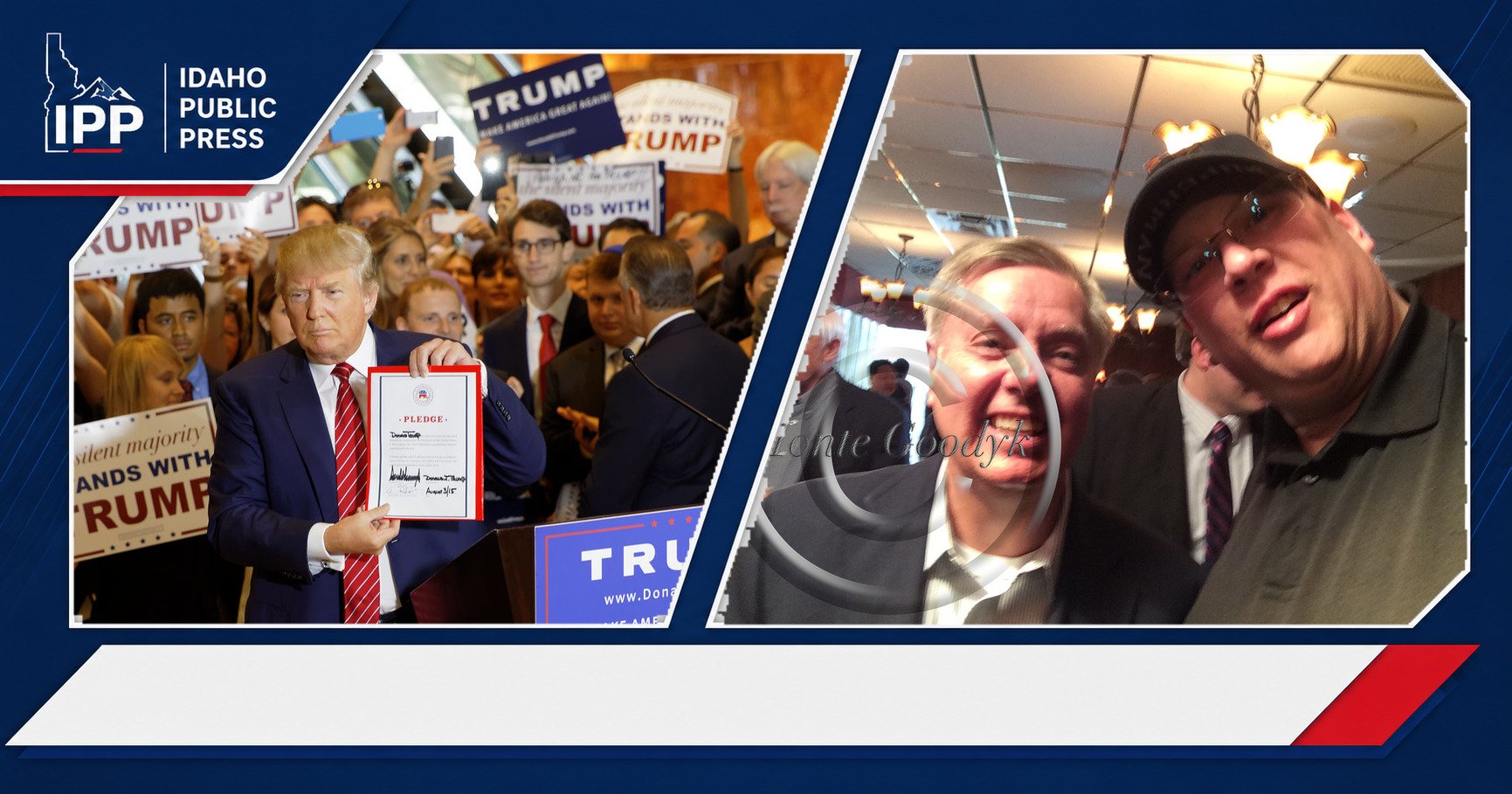
The remark was more than a punch line. It captured the unlikely political arc between Trump and Graham, from 2016 rivals to close allies, as world leaders gathered to honor the late senator.
Donald Trump said Lindsey Graham had the "last laugh" against him as he eulogized the late South Carolina senator on Tuesday at Washington National Cathedral. The remarks were made during Graham’s funeral service in Washington, where Trump used a funeral speech to explain how a bitter 2016 rivalry became a decade-long friendship.
The line mattered because it was classic Trump, but also classic Graham: personal, political and built around a joke with an edge. According to the BBC, Trump remembered Graham as a "giant of the United States Senate" and a "true American original" before turning to the old feud that helped define their public relationship.
The joke behind the tribute
Trump’s "last laugh" comment referred to one of the most infamous episodes of the 2016 Republican presidential primary, when Trump publicly gave out Graham’s phone number at a campaign event after Graham had insulted him.
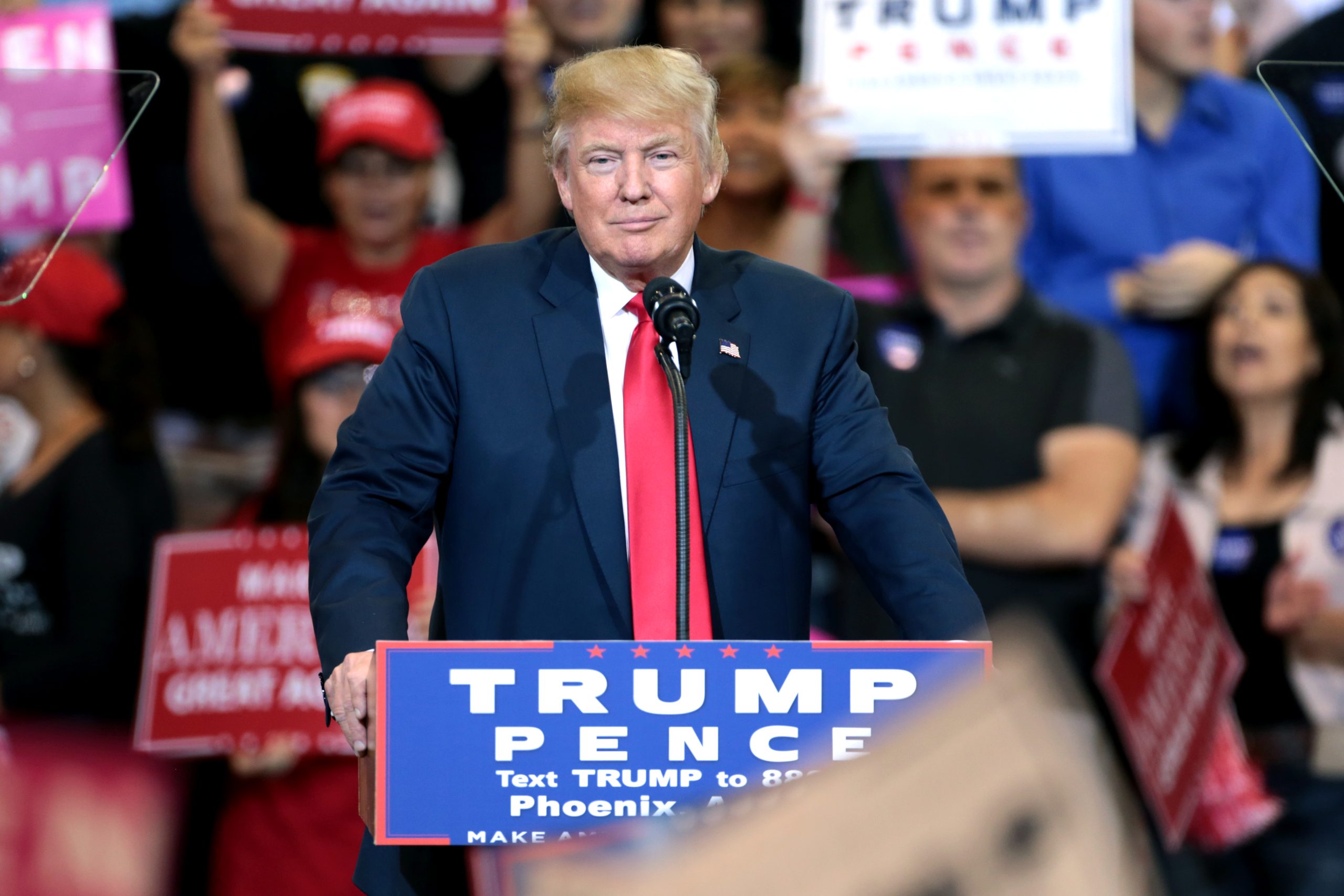
"His phone exploded," Trump told mourners, according to the BBC. Then came the punch line: "It was Lindsey who had the last laugh. Because while I blew up his phone for one day, we became great friends and Lindsey did not stop calling me for the next 10 years."
In a different setting, the story might have played as campaign nostalgia. At a funeral, it worked as shorthand for a strange Washington transformation: two men who once mocked each other in public later became close political allies.
Trump’s eulogy reportedly lasted about 15 minutes and mostly stayed on script. Still, the phone-number story gave the service a glimpse of the rough-edged political theater that surrounded both men for years.
From rivals to allies
Graham and Trump began the 2016 race on opposite sides of the Republican Party’s personality divide. Graham, a longtime senator and foreign policy hawk, was part of the party establishment Trump ran against. Trump built his campaign on disruption, grievance and the argument that Washington’s old guard had failed.
Their early exchanges were harsh. Graham criticized Trump’s rise, and Trump responded with the kind of personal attacks that became a central feature of his campaign style.
But after Trump won the presidency, Graham’s posture changed. He became one of Trump’s most visible Republican defenders, especially during high-pressure moments in Washington. The shift made Graham a target for critics who saw him as abandoning earlier warnings about Trump.
Supporters saw something else: a senator who understood where power had moved inside the Republican Party and chose influence over distance. Trump’s funeral remarks leaned into that second version, casting their relationship not as surrender or opportunism, but as friendship.
A funeral with global weight
Graham’s funeral drew figures far beyond the usual Senate circle. Israeli Prime Minister Benjamin Netanyahu and Ukrainian President Volodymyr Zelensky attended the Tuesday service, according to the BBC, a sign of Graham’s deep involvement in foreign policy fights that defined his career.
Graham was a major supporter of both Israel and Ukraine. He had been one of Ukraine’s strongest Republican allies in the Senate at a time when the party was divided over U.S. aid and the country’s role in global conflicts.
Trump also noted Graham’s constant involvement in international affairs. "Nothing of significance happened anywhere in the world without Lindsey Graham having a view on it," Trump said, according to the BBC.
The guest list turned the funeral into more than a Washington farewell. It underscored why Graham, even as one senator among 100, remained a persistent voice in debates over war, alliances, Israel, Ukraine and Iran.
Graham’s final weeks
The BBC reported that Graham died unexpectedly earlier this month at age 71 after an aortic dissection, a tear in the body’s main artery. He had recently returned from Kyiv, where he met with Zelensky.
Trump framed that timing as part of Graham’s identity. "He died doing the work he was born to do," Trump said.
That description fit the public image Graham cultivated over decades: a senator constantly traveling, pressing presidents, warning about threats abroad and arguing that American power should be used assertively.
Graham’s critics often saw him as too eager for intervention. His admirers saw him as clear-eyed about threats that others preferred to avoid. Both views explain why his death drew leaders whose countries depended heavily on U.S. policy decisions.
Washington heard two messages
Inside Washington National Cathedral, Trump’s eulogy carried two overlapping messages. One was personal: Graham was loyal, funny, relentless and, in Trump’s telling, impossible to avoid once he became a friend.
The other was political. By praising Graham as a Senate giant and highlighting his foreign policy role, Trump elevated a lawmaker whose worldview did not always match the isolationist instincts within Trump’s own movement.
That tension remains unresolved. Graham’s brand of hawkish Republican internationalism has not disappeared, but it competes with a powerful faction skeptical of foreign aid, military commitments and open-ended U.S. involvement abroad.
The presence of Zelensky and Netanyahu made that tension visible. Before the funeral, both leaders held separate meetings with Trump, which the White House described as positive and productive, according to the BBC.
What remains after the eulogy
Graham’s sister, Darline Graham, has been appointed to fill his South Carolina Senate seat, according to the BBC. That gives the state continuity for now, but it does not answer the larger question of who inherits Graham’s role as one of the Republican Party’s most forceful foreign policy voices.
Fox News host Sean Hannity also spoke at the service, remembering Graham as a "force of nature" and a "true original." Vice President JD Vance was among Trump administration officials in attendance.
Washington National Cathedral has hosted some of the country’s most prominent memorials, including national moments after the Sept. 11 attacks and services for major political figures. Graham’s service was more intimate than a presidential funeral, but the attendance reflected his reach.
Trump’s "last laugh" line will likely be the most replayed moment because it compresses a decade of Republican politics into one anecdote: insult, retaliation, reconciliation and dependence. At a funeral, it landed as a joke. In context, it was also a reminder of how much the party changed around both men.








Leave a Reply