
The fight is not only about voter ID. It is about who gets to define a ballot measure before voters ever read the fine print.
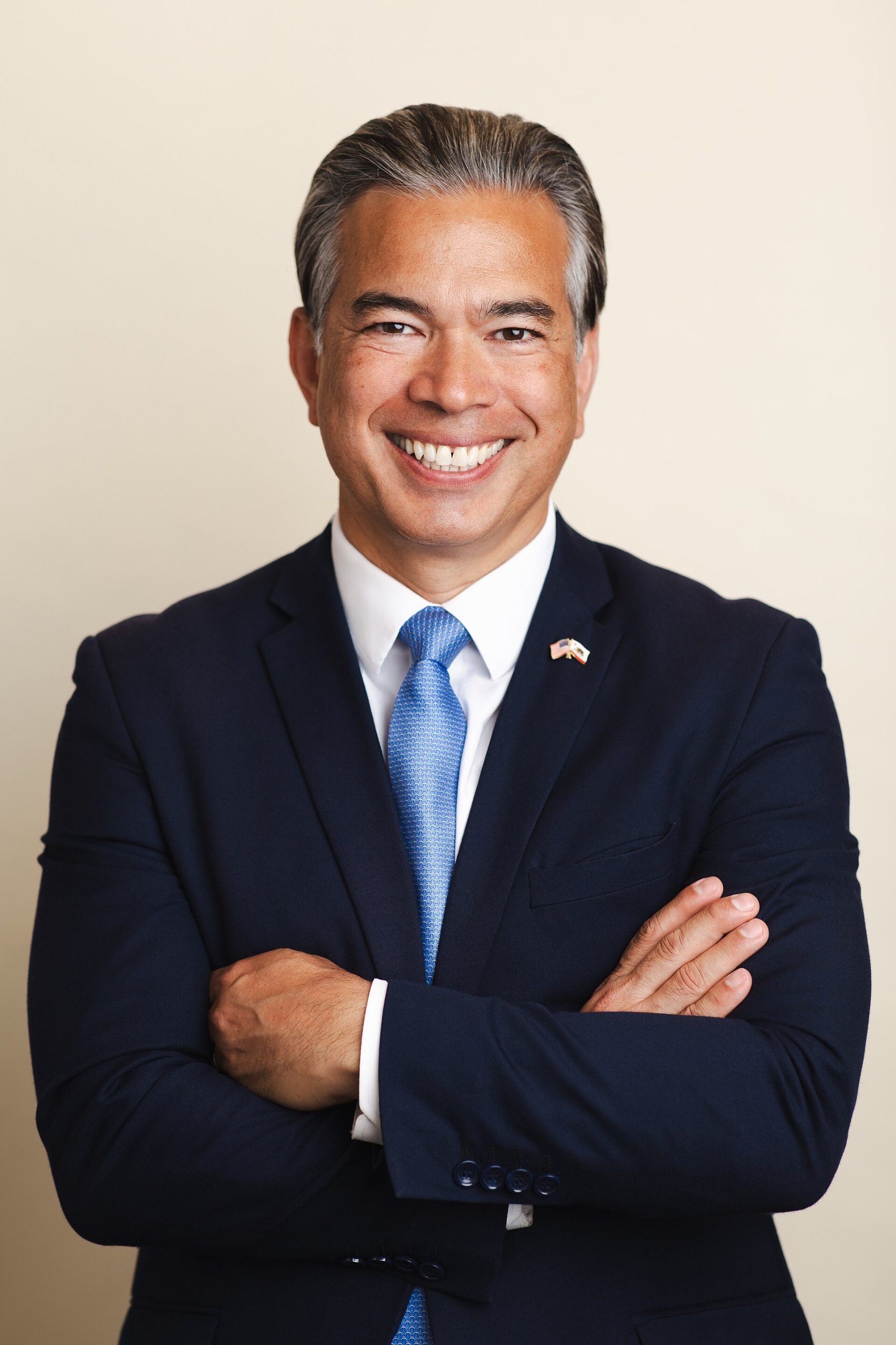
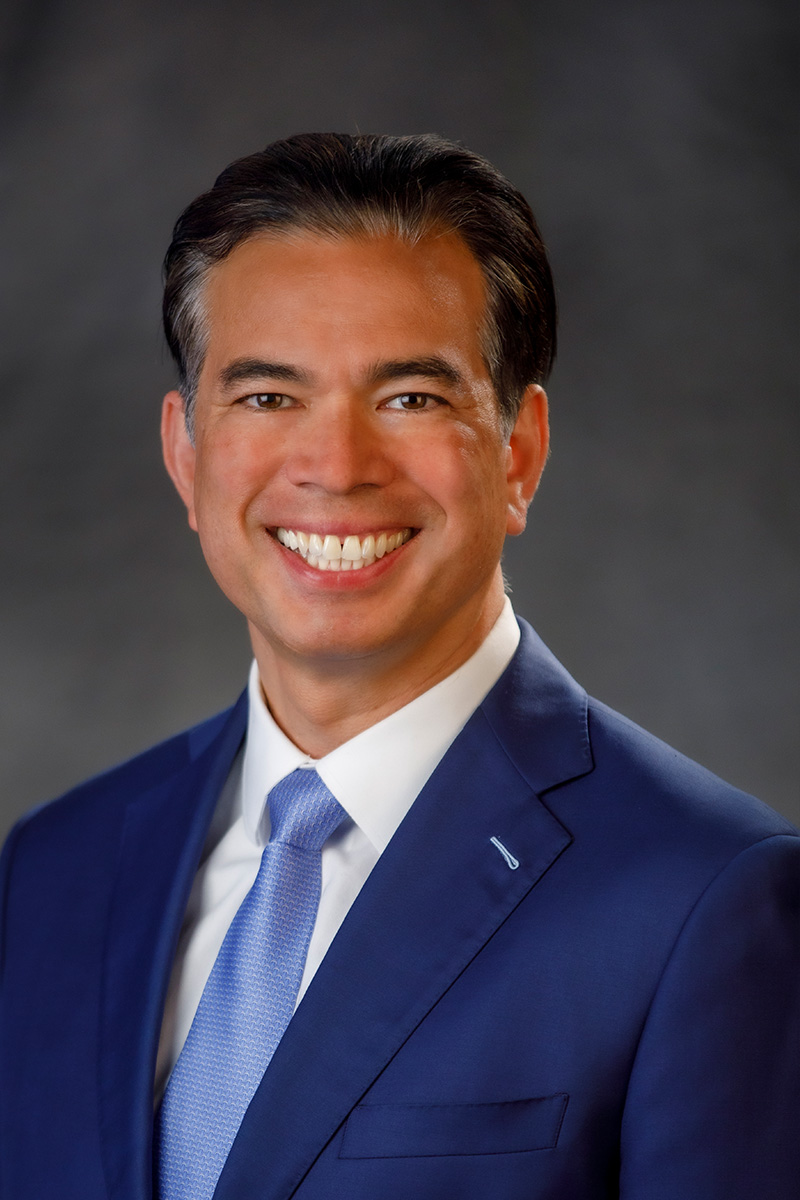
California voter ID backers are suing Attorney General Rob Bonta over the ballot title change for Prop 39, alleging Bonta’s office tried to rig the ballot measure by recasting it in language they say will mislead voters. The dispute over the ballot measure now centers on whether the official wording fairly explains voter ID or frames it to fail.
That fight matters because many voters encounter a proposition first through its title and summary, not through campaign ads or dense legal text. In California, those few official words can become a political battlefield.
A fight over official wording
The measure at the center of the dispute is California’s Prop 39 voter ID proposal. According to KCRA, supporters say the original title described the initiative as one that “establishes additional voter identification and citizenship verification requirements.”
The attorney general’s office later changed the title to say the measure “prohibits citizens from voting unless they present government-issued identification.”
That difference is the core of the lawsuit threat and political clash. Supporters argue the new wording makes the initiative sound like it blocks eligible citizens from voting. Bonta says his office’s language is lawful, more accurate and more informative for voters.
San Diego Republican Assemblyman Carl DeMaio, who is leading the voter ID effort, has cast the change as more than a routine edit. In an interview with KCRA’s California Politics 360, he accused Bonta of trying “to rig the election against Prop 39” by changing the title in a way that could push voters toward a no vote.
What supporters say changed
DeMaio’s argument is that the new title flips the measure’s meaning. He says the proposal is intended to require voter ID and citizenship verification while protecting legitimate votes, not to prohibit citizens from voting.
“Nothing in our initiative prohibits citizens from voting,” DeMaio told KCRA. He argued the measure is designed to stop what he described as illegitimate or illegal votes from canceling out lawful votes.
Supporters also object to the phrase “government-issued identification.” In their view, that wording emphasizes a burden on voters rather than the election-integrity goal they say the proposal is meant to advance.
That is why the lawsuit is politically potent even before a court rules. A ballot title is not a campaign slogan, but in practice it can do similar work: it gives voters a first impression of what a measure does and whose rights may be affected.
Bonta defends the revision
Bonta has rejected the allegation that his office acted improperly. He told KCRA the title and summary were “fully compliant” and said the changes met the attorney general office’s duty to provide voters with an impartial, fair and accurate description.
“It is more helpful to voters. It is more accurate. It is more informative,” Bonta said, according to KCRA.
The attorney general also said his office made changes to all nine measures for which it was responsible, not only Prop 39. That point is central to his defense: the office is presenting the revision as part of its ordinary review role, not as a targeted attack on one initiative.
Still, the political optics are sharp. Voter ID is already one of the country’s most polarizing election-policy fights. In California, where statewide politics lean heavily Democratic, supporters of the measure are arguing that the state’s top legal officer is using an administrative duty to shape the campaign terrain.
Why ballot titles carry weight
California voters are often asked to decide complex propositions covering taxes, criminal justice, housing, labor rules, education and elections. The official title and summary help compress those measures into language that can appear in voter materials and on ballots.
That compression creates power. A title can emphasize rights, restrictions, costs, safeguards or risks. Each choice can nudge how a voter understands the measure before reading arguments for and against it.
In this case, the two competing framings point in opposite directions. The supporters’ preferred wording highlights added identification and citizenship-verification requirements. The revised wording highlights citizens being unable to vote without government-issued ID.
Both descriptions point to real questions voters may care about: whether the measure tightens election security, whether it creates barriers, and how broad the ID requirement would be in practice. The legal fight is over which description is fair enough to appear as the state’s official language.
The courts may be cautious
DeMaio has acknowledged that court intervention is not guaranteed. He told KCRA that California courts have historically been reluctant to interfere with ballot titles written by the attorney general.
That matters because judges often face a narrow question in these disputes. They are not deciding whether voter ID is good policy. They are deciding whether the official wording crosses a legal line by being false, misleading or unfair.
If the court declines to intervene, Prop 39 supporters will have to fight the wording politically. DeMaio has already signaled that possibility, saying his side will take the dispute “to the ballot box” and try to tell voters what they believe the measure really does.
If the court orders a change, it would hand supporters an early victory and could force the state to revise how the measure is presented. Either outcome would shape the campaign before voters begin filling out ballots.
The bigger voter ID argument
Beyond the lawsuit, the dispute previews the broader campaign. Supporters are likely to present Prop 39 as a voter-confidence measure, arguing that ID and citizenship verification can reassure the public that elections are secure.
Opponents of strict voter ID laws, though not detailed in the KCRA report, typically argue that such rules can make voting harder for eligible people who lack easy access to required documents. That concern is why wording like “prohibits citizens from voting unless” carries political force.
The unresolved question is whether California voters will see Prop 39 as a safeguard or a barrier. The title fight shows both sides understand that the answer may be shaped before the first debate ad airs.
For now, the immediate issue is narrower: whether Bonta’s office described the measure fairly or tilted the scale. The lawsuit gives a court a chance to weigh that claim, but the larger verdict will come from voters who must decide what the measure means and whether they trust the official words used to describe it.








Leave a Reply