
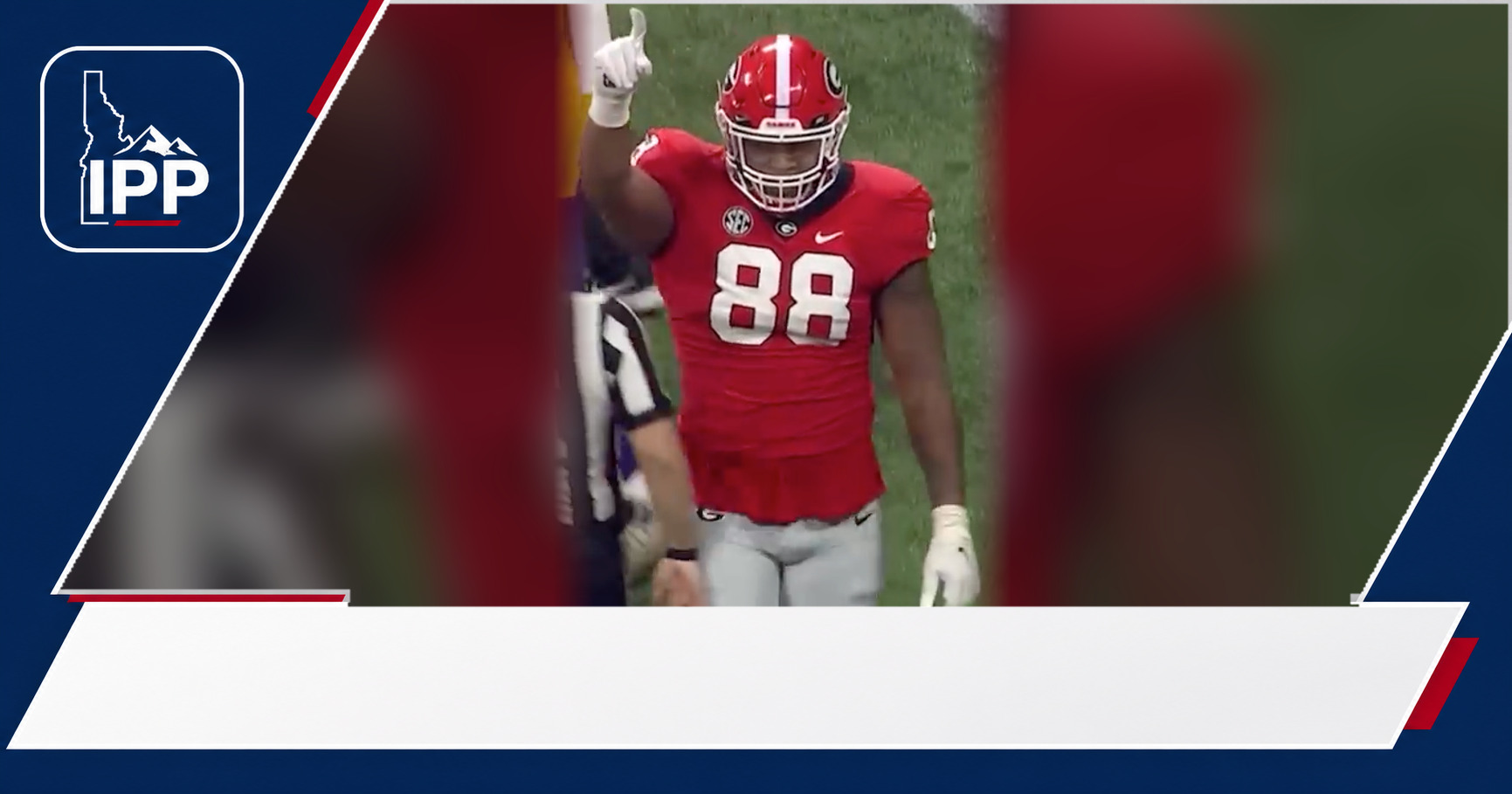
Philadelphia paid for impact, not just box-score production. The deal says plenty about how the Eagles view Carter, their defensive line and the NFL’s price of elite disruption.
Jalen Carter and the Philadelphia Eagles agreed to a record-setting four-year, $152 million contract extension in Philadelphia, a deal that makes Carter the highest-paid defensive tackle in NFL history. This article evaluates the Eagles’ decision to make Carter a long-term cornerstone: agent Drew Rosenhaus confirmed the agreement Tuesday, with terms worth up to $160 million and $106 million guaranteed, according to The Athletic.
The contract runs through 2031 and lands before Carter’s rookie deal had run out. That timing matters as much as the money, because Philadelphia is choosing certainty over waiting for the next defensive market spike.
Why Philadelphia moved now
The Eagles did not have to do this immediately. Carter was entering the fourth year of his rookie contract, and Philadelphia had already exercised his fifth-year option in April, keeping him under team control through 2027.
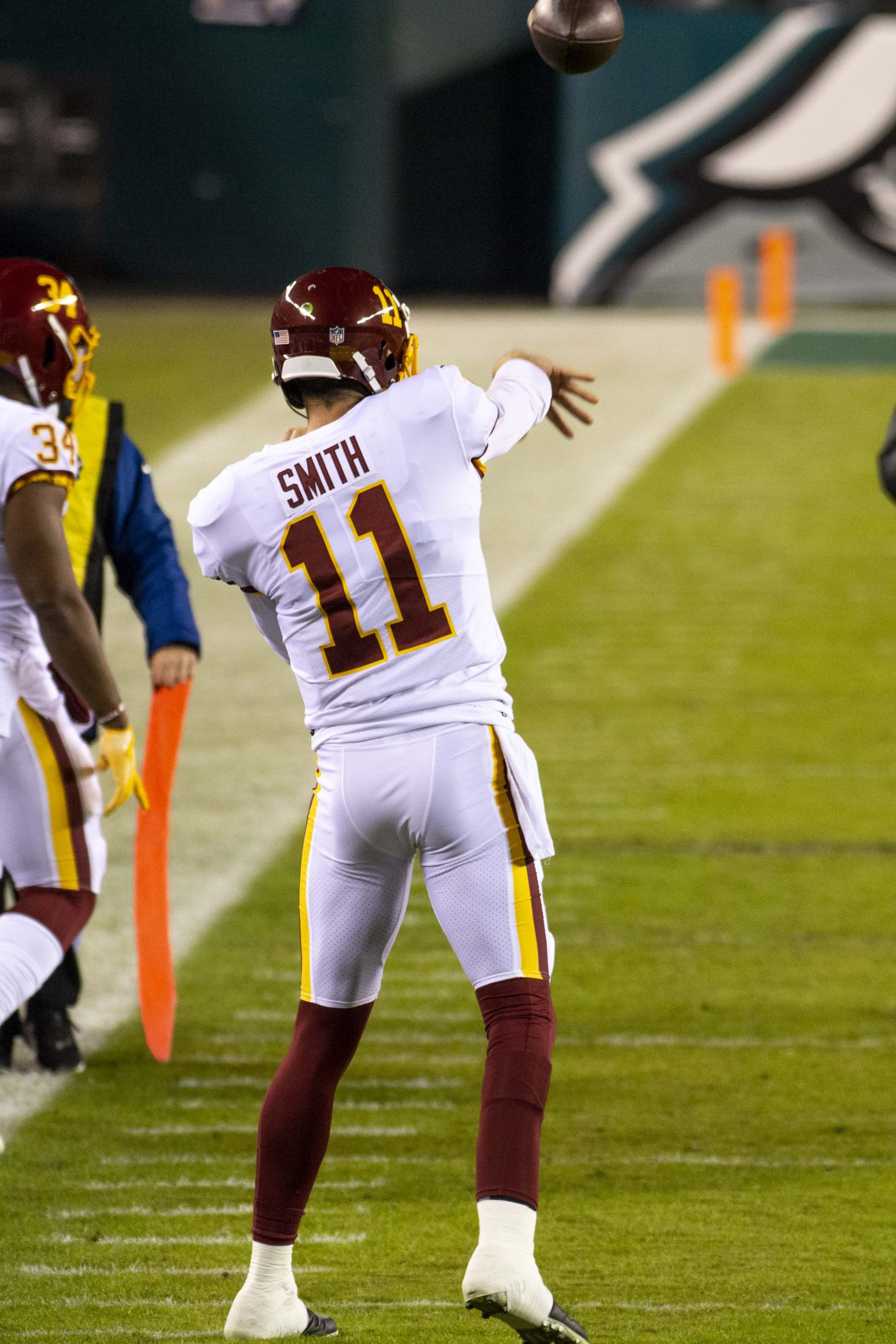
That made the extension less about short-term necessity and more about philosophy. General manager Howie Roseman has repeatedly preferred to pay core players early rather than chase them later after the market rises. Jalen Hurts, DeVonta Smith, Landon Dickerson and Cam Jurgens all received long-term deals in recent years during their first eligible offseasons.
Carter’s case carried extra intrigue because of the money and the timing. If the Eagles waited, they might have preserved flexibility. They also might have watched the price of elite interior defensive linemen climb again.
Philadelphia chose the expensive answer now. That is usually the Eagles’ tell: when they believe a player is part of the foundation, they would rather set the number than react to someone else’s.
Why Carter reset the market
Carter’s raw sack total does not fully explain a $152 million contract. The Athletic noted he has 13.5 sacks through three seasons, which is good production but not the kind of number that automatically screams record-setter to casual fans.
The Eagles are paying for a different kind of dominance. Interior pressure changes blocking schemes, collapses pockets before routes develop and forces quarterbacks off rhythm even when it does not produce a sack. Carter led Philadelphia in pressures, quarterback hits and tackles for loss in 2024, according to The Athletic, which is a cleaner snapshot of his week-to-week value.
That is why this deal is not just about Carter. It is about the league’s hunger for defensive tackles who can wreck passing games from the middle. Edge rushers still get the spotlight, but a defensive tackle who draws double teams and wins anyway can tilt an entire protection plan.
Carter, 25, has already reached two Pro Bowls. The Eagles drafted him No. 9 overall in 2023, and he quickly became the type of player opponents have to identify before every snap.
The risk is real
A clean evaluation cannot stop at talent. Carter’s questions have often been about availability, discipline and judgment, not whether he can play.
He was limited to 11 games last season because of shoulder injuries and a Week 1 ejection. The Athletic also noted his 2025 season-opening ejection for spitting at Dallas Cowboys quarterback Dak Prescott before the opening snap.
There is also the history from his time at Georgia. Carter fell in the 2023 NFL Draft after pleading no contest to two misdemeanor charges of racing and reckless driving following a fatal car crash in January 2023. That context has followed him into the NFL, even as his on-field impact has validated Philadelphia’s belief in his talent.
The Eagles’ decision says they are comfortable managing that risk. It does not erase the concerns. It shows the franchise believes Carter’s growth, production and internal standing justify making him one of the most important players on the roster.
How the Eagles are building
This extension also fits a larger roster plan. Philadelphia has long treated the offensive and defensive lines as premium investments, and Carter’s deal reinforces that identity.
The Eagles also signed Jordan Davis, Carter’s former Georgia teammate, to a three-year, $78 million contract this offseason, according to The Athletic. That gives Philadelphia a major financial commitment in the middle of its defensive front, not just on the edges.
The strategy is clear: build a defense that can win with pressure before the blitz is needed. If Carter and Davis command attention inside, the Eagles can help their linebackers, protect their secondary and create cleaner pass-rush opportunities for everyone around them.
There is a salary-cap tradeoff. Big money in the middle means harder choices elsewhere. But Philadelphia has rarely been shy about spending on the trenches, and this is one of the clearest examples yet.
The grade on the deal
Grade: A-minus. The Eagles paid an enormous price, but they paid it for a rare player at a premium position before the negotiation became more complicated.
The strongest argument for the deal is simple: Carter is already one of the NFL’s most disruptive defensive tackles, and he is not near the end of his prime. If he stays healthy and avoids avoidable discipline issues, the contract could look less shocking within a year or two as the market keeps climbing.
The argument against it is not silly. A record-setting extension with $106 million guaranteed leaves little room for regret. Carter’s sack numbers are not overwhelming, and any repeated availability or conduct problems would magnify the risk.
Still, teams do not win by waiting until special players become obvious to everyone. Philadelphia identified Carter as a cornerstone, accepted the cost and locked him in through 2031. That is aggressive roster management, but it is also consistent with how the Eagles have built one of the NFL’s most stable talent pipelines.
What remains unclear
The next question is how the deal is structured year by year. The headline numbers are massive, but cap hits, bonuses and guarantees by season will determine how flexible the Eagles really are if the roster needs repairs later.
It is also fair to watch how Carter responds to becoming the highest-paid defensive tackle in NFL history. Some players settle after a record deal. Others sharpen into the role that the money demands.
For Philadelphia, the message is unmistakable. The Eagles are betting that Carter is not merely a productive young defender. They are betting he is the kind of interior force around which a championship defense can be organized.









Leave a Reply