

The discussion links two pressure points in the war: Ukraine’s need for stronger air defense and Washington’s push to explore whether negotiations with Russia can restart without undercutting Kyiv.
Donald Trump and Volodymyr Zelenskiy discussed a Patriot air defense deal on July 28, 2026, and they discussed reviving talks with Russia, according to Reuters. The article explains why the talks matter for Ukraine and the war: a Patriot deal could affect how Ukraine defends cities and infrastructure, while any revived Russia track would test the United States’ leverage and Kyiv’s red lines.
The pairing is not accidental. Air defense is battlefield survival; diplomacy is the possible exit ramp. For Zelenskiy, the two are connected because negotiations look very different when Ukrainian skies are exposed.
Patriot deal carries the weight
The Patriot system has become a shorthand for the kind of support Ukraine says it needs most: advanced protection against missiles and air attacks. A Patriot deal would not be symbolic assistance. It would speak directly to Ukraine’s ability to protect civilians, energy sites, command centers and military logistics.
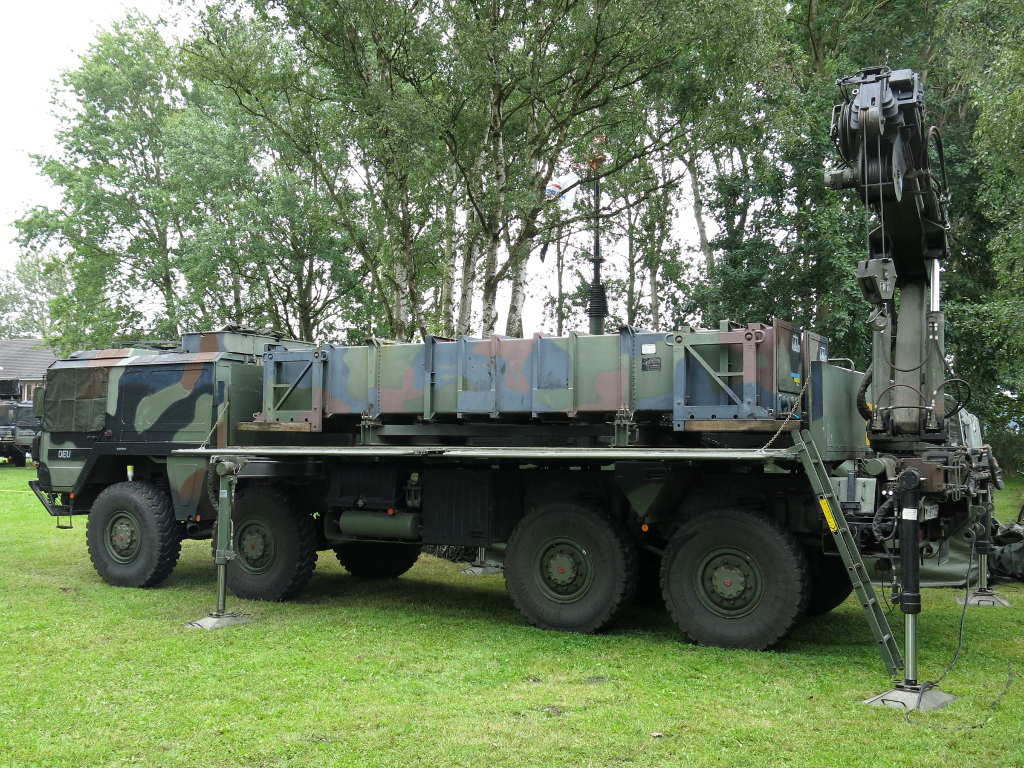
Reuters reported that Trump and Zelenskiy discussed the Patriot deal as part of continuing U.S.-Ukraine conversations. The available reporting does not spell out the exact terms, including whether the discussion centered on complete systems, interceptors, licensing, financing, deliveries from U.S. stocks or transfers routed through European allies.
That uncertainty matters. A Patriot launcher is only one part of the equation. Ukraine also needs enough interceptors, trained crews, maintenance support and a supply chain that can keep pace with Russia’s ability to fire missiles and drones over time.
For the United States, the question is not just whether to help Ukraine obtain more air defense. It is how to do it while managing U.S. inventories, allied contributions and the political debate over how far Washington should go in backing Kyiv.
Diplomacy depends on leverage
The second half of the discussion, reviving talks with Russia, carries a different kind of risk. Diplomacy can be framed as a path to ending the war. It can also become a source of pressure on Ukraine if talks move faster than battlefield realities or security guarantees allow.
That is why the Patriot discussion and the Russia discussion belong in the same sentence. Zelenskiy has consistently argued that Ukraine needs strength before negotiation, not after it. More air defense would not decide the war by itself, but it could make Ukraine less vulnerable while any diplomatic channel is tested.
Trump has long emphasized ending the war, and official U.S. statements earlier in his term pointed to ceasefire efforts and technical talks involving Ukraine and Russia-related issues. A March 2025 White House statement on a Trump-Zelenskiy call said the leaders discussed work toward ending the war and that Zelenskiy asked for additional air defense systems, particularly Patriots.
The hard part is sequencing. If Washington pushes talks before Ukraine feels adequately protected, Kyiv may see diplomacy as pressure. If Washington pairs talks with tangible air defense, it can argue that negotiations are being pursued without leaving Ukraine exposed.
A months-long Patriot thread
The July 28 discussion did not come out of nowhere. Patriot systems have been a recurring theme in U.S.-Ukraine engagement because Russia’s air campaign has made air defense one of Ukraine’s most urgent needs.
In the March 2025 White House account of a Trump-Zelenskiy call, Zelenskiy asked for additional air defense systems to protect civilians, particularly Patriot missile systems. The statement said Trump agreed to work with him to find what was available, particularly in Europe.
Reuters also reported on July 9 that Zelenskiy said Ukraine and the United States had reached a political agreement on licenses for production of Patriot interceptors. That is a related but distinct issue: not just receiving equipment, but building a longer-term way to replenish the missiles that Patriot batteries need.
Taken together, those pieces show why a new Patriot deal would be watched closely. It could be a short-term package, a longer-term production arrangement, or a mix of U.S. and allied moves. Until the terms are public, the political importance is clearer than the operational impact.
The unanswered deal questions
The word deal can cover a lot of ground. For readers trying to understand what changes on the battlefield, the details will matter more than the label.
- Systems or missiles: Ukraine may need both Patriot batteries and interceptor missiles, but they solve different problems.
- Timing: A promise delivered months later has a different value than equipment that can be moved quickly.
- Source of supply: The March White House statement pointed to possible availability in Europe, suggesting allies could be part of any practical solution.
- Production capacity: Licensing or co-production of interceptors could matter for the long war, but it does not automatically fix immediate shortages.
- Political conditions: Any U.S.-backed arrangement may become tied to broader negotiations, burden-sharing or congressional scrutiny.
Those unknowns are not minor. A Patriot discussion can sound decisive, but Ukraine’s air defense problem is continuous. Russia can adapt its attacks, and defensive systems require steady resupply.
Russia talks bring competing risks
Reviving talks with Russia is the part of the conversation most likely to divide opinion. Supporters of renewed diplomacy argue that wars eventually require negotiation and that the United States has a role in testing whether Moscow is prepared to bargain seriously.
Critics worry that talks can reward Russia’s aggression if they begin without enforceable security guarantees, a credible ceasefire mechanism or clear protections for Ukrainian sovereignty. From Kyiv’s point of view, a bad diplomatic process could freeze vulnerability rather than end it.
There is also a public messaging problem. If Trump highlights talks with Russia, some allies will look for signs that U.S. support for Ukraine is softening. If he highlights Patriots, Russia may see Washington as doubling down militarily. Doing both at once is an attempt to keep pressure and diplomacy moving in parallel.
That balance is difficult to maintain. Ukraine wants more weapons without being maneuvered into premature concessions. The United States wants a path toward ending the war without appearing to abandon a partner. Russia will be watching for gaps between those positions.
What happens next matters
The next meaningful signal will be whether the Patriot discussion turns into a specific announcement. That could mean a delivery plan, a financing arrangement, a transfer involving European countries, or more detail on interceptor production licenses.
The diplomatic track is harder to measure. Revived talks with Russia could mean direct negotiations, technical talks on limited ceasefire issues, intermediary contacts or exploratory conversations. Each version carries a different level of seriousness and risk.
For now, the significance of the Trump-Zelenskiy discussion is that it puts the central bargain in plain view. Ukraine needs stronger air defenses to withstand the war. The United States is looking for a way to move the conflict toward talks. Whether those goals reinforce each other or collide will depend on the terms that follow.
The clean takeaway: Patriots are not just another weapons system in this conversation, and Russia talks are not just another diplomatic headline. Together, they reveal the core question facing Washington and Kyiv: can Ukraine be pushed toward peace while also being made harder to attack?









Leave a Reply