
The recall is tied to an import compliance problem, not a confirmed illness outbreak. Shoppers should check freezers and refrigerators for specific 12-ounce packages sold through Grocery Outlet channels.
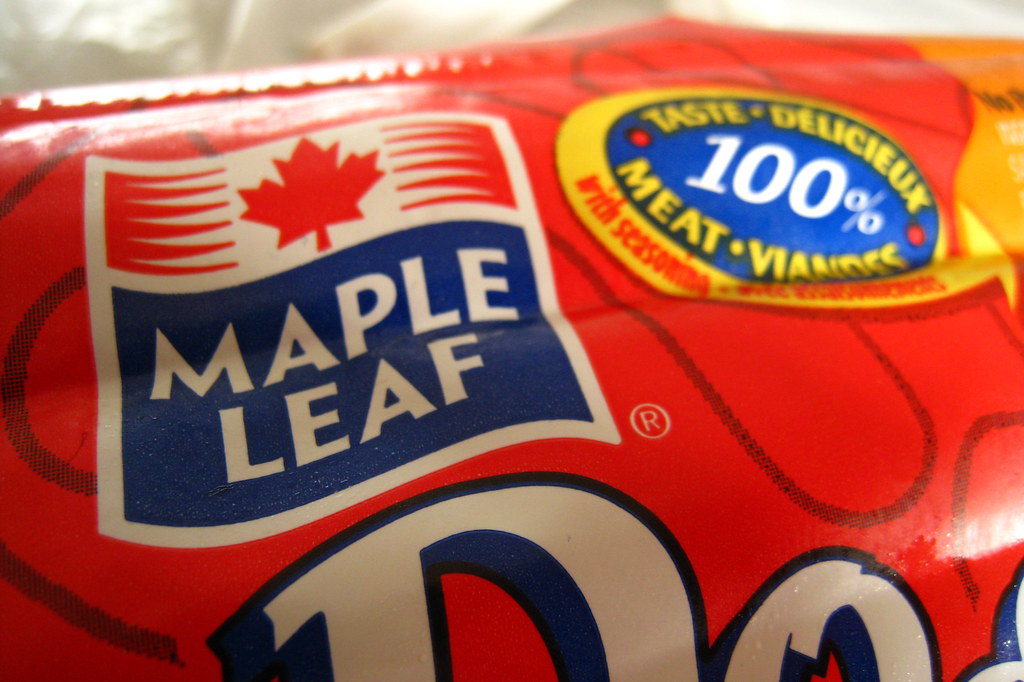
More than 12,000 pounds of bacon were recalled by Maple Leaf Foods after the U.S. Department of Agriculture’s Food Safety and Inspection Service said the bacon was imported from Canada without required reinspection. The recall covers 12,036 pounds of bacon products, was posted July 24, 2026, and the recall affected Idaho, Oregon and Washington.
The products went to Grocery Outlet distributors and retailers, according to FSIS. No illnesses or injuries have been confirmed, but consumers in affected states are being told not to eat the bacon and to check packages before breakfast becomes a refund problem.
The issue is a missed check
The key point is not that inspectors found a pathogen in the bacon. FSIS said the not-ready-to-eat smoked bacon product was imported into the United States without receiving the required import reinspection.
That distinction matters for shoppers. A missed reinspection is a compliance break in the system that clears imported meat for U.S. commerce. It is not the same as an outbreak announcement or a confirmed contamination finding.
Still, FSIS does not treat that kind of paperwork and inspection gap as optional. If a product did not pass through the required process, the agency can move to get it out of homes and stores even when no one has reported getting sick.
The agency said the product had undergone other inspections, but the required import reinspection did not happen before distribution. That is why the consumer advice is simple: do not eat it.
Three Northwest states are named
The recalled bacon was sent to Grocery Outlet distributors and retailers in three states listed by FSIS: Idaho, Oregon and Washington.
- Idaho
- Oregon
- Washington
That does not necessarily mean every Grocery Outlet location in those states sold the recalled bacon. It also does not prove the product was limited to every city where Grocery Outlet operates. The available information is broader than a store-by-store list.
FSIS said a full list of retail locations will be posted on the agency’s website once it is available. Until then, the most reliable way for consumers to identify the product is by checking the package details, not just the state where they live.
Labels shoppers should check
The recall covers specific Maple Leaf Foods bacon products in 12-ounce vacuum packages. Both were labeled as products of Canada, and the side of the package includes the establishment mark EST. 1.
Royale Natural Applewood Smoked ALL NATURAL Uncured Bacon Product of Canada is included if the 12-ounce vacuum package carries one of these sell-by dates:
- Sept. 1, 2026
- Sept. 7, 2026
TOP VALU Uncured Hardwood Smoked Bacon Product of Canada is included if the 12-ounce vacuum package carries one of these sell-by dates:
- Sept. 1, 2026
- Sept. 2, 2026
- Sept. 4, 2026
- Sept. 5, 2026
- Sept. 7, 2026
The recalled products were produced on June 9, June 10, June 12, June 13 and June 15, according to the recall information. Those dates add another way to confirm whether a package in the refrigerator or freezer is part of the recall.
Do not cook around it
For consumers, the practical advice is more important than the regulatory language. FSIS said people who bought the recalled bacon should not consume it.
The agency’s recommended options are to throw the bacon away or return it to the place of purchase. Retailers often use packaging, receipts or loyalty accounts to verify returns, but the recall advice does not depend on having a receipt in hand.
One tempting reaction is to assume bacon can simply be cooked thoroughly and made safe. FSIS is not giving that advice here. The recall is based on the product’s failure to receive required import reinspection, so the agency wants the affected packages removed from use entirely.
If the bacon has been frozen, it still counts. Recalls often remain relevant for weeks or months because meat products can sit in home freezers long after they leave store shelves.
Why the recall sounds worse
Food recalls can look alarming because the headline number is large and the product is familiar. More than 12,000 pounds of bacon is enough to get attention, especially in states where shoppers may have bought bargain groceries in bulk.
At the same time, the facts released so far point to a limited issue. The named states are Idaho, Oregon and Washington. The products are specific brands, package sizes and date codes. FSIS said there have been no confirmed reports of illness or injury tied to the bacon.
The Canada connection also deserves care. The recall is not a warning against Canadian food generally. The issue identified by FSIS is that this imported bacon missed a required U.S. reinspection step before distribution.
The timing may stand out because Canadian imports have been part of broader trade headlines. But the recall notice itself points to an import reinspection violation, not a tariff dispute or a countrywide food-safety problem.
What remains unclear
Several useful details are still missing for shoppers who want certainty. A store-by-store retail list had not been included in the available recall information, and FSIS said that list would be posted when available.
It also remains unclear whether any product moved beyond the listed Grocery Outlet distribution and retail channels. USA TODAY reported it had contacted Maple Leaf Foods for additional information, including whether other states could be affected.
Another unanswered question is how the product moved through distribution without the required import reinspection. That matters less for a shopper deciding what to do tonight, but it matters for understanding how similar misses are prevented.
The safest takeaway is narrow but firm: if you bought Royale Natural Applewood Smoked or TOP VALU uncured bacon matching the recalled package details, do not eat it. Check the brand, sell-by date, production date and EST. 1 mark, then discard it or return it where you bought it.









Leave a Reply