
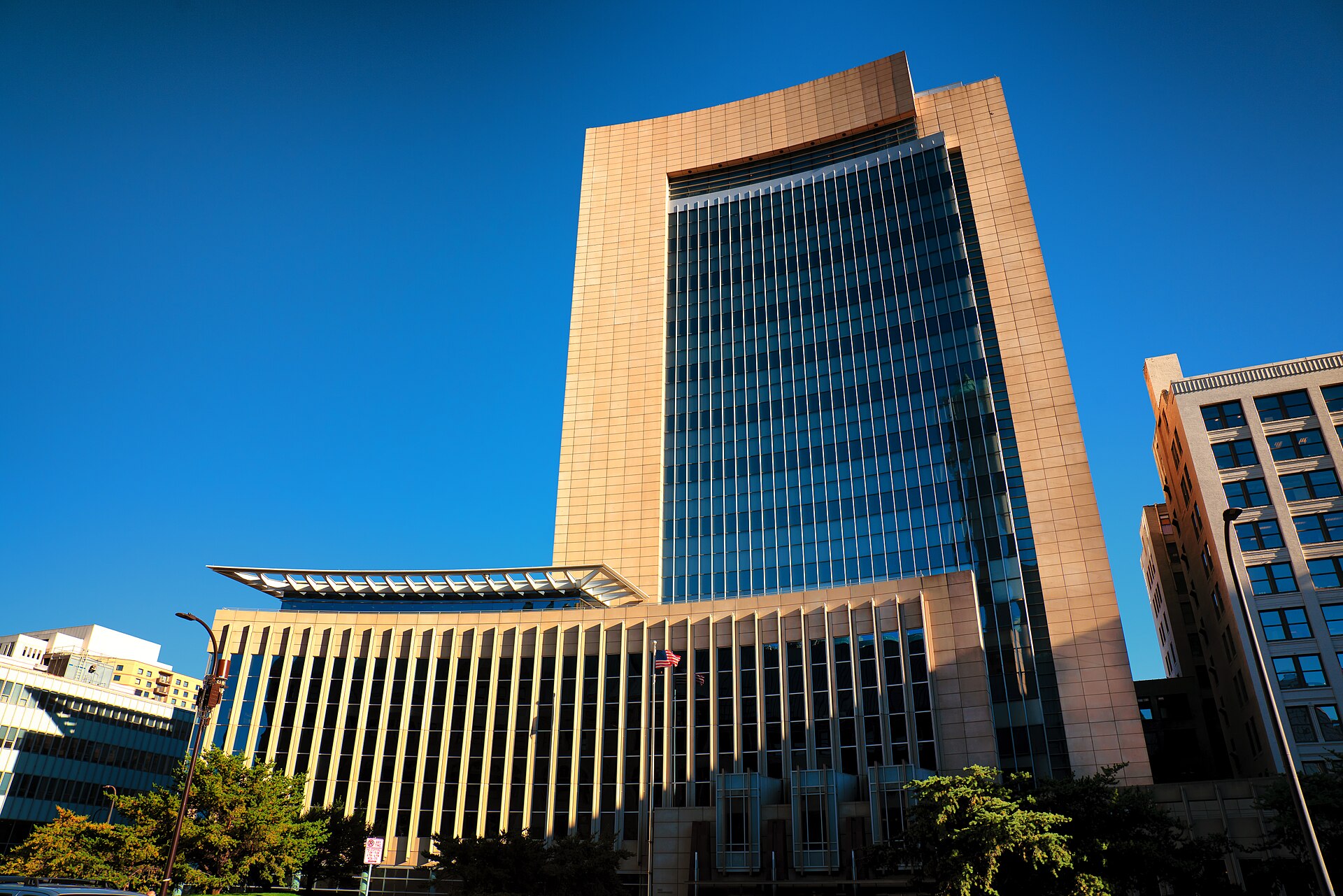
The ruling keeps Minnesota’s new ban from taking effect while a larger question plays out: who gets to regulate prediction markets, states or Washington?
A federal judge halted Minnesota’s first-in-the-nation law banning prediction markets. The law was blocked before it took effect. The article explains the legal challenge to the ban: the Commodity Futures Trading Commission, Kalshi and Polymarket argued in federal court that Minnesota cannot impose its own ban on markets the federal regulator oversees.
Judge Kate M. Menendez of the U.S. District Court for the District of Minnesota issued a preliminary injunction Monday, pausing a statute set to take effect Saturday. The fight matters because it tests whether states can treat these fast-growing platforms as illegal gambling or must yield to federal regulation.
Minnesota’s ban is now paused
The Minnesota law, passed in May, was described as the first state law of its kind targeting prediction markets directly. It would make it a felony for most prediction markets to operate locally or advertise in the state, according to reporting by The New York Times.
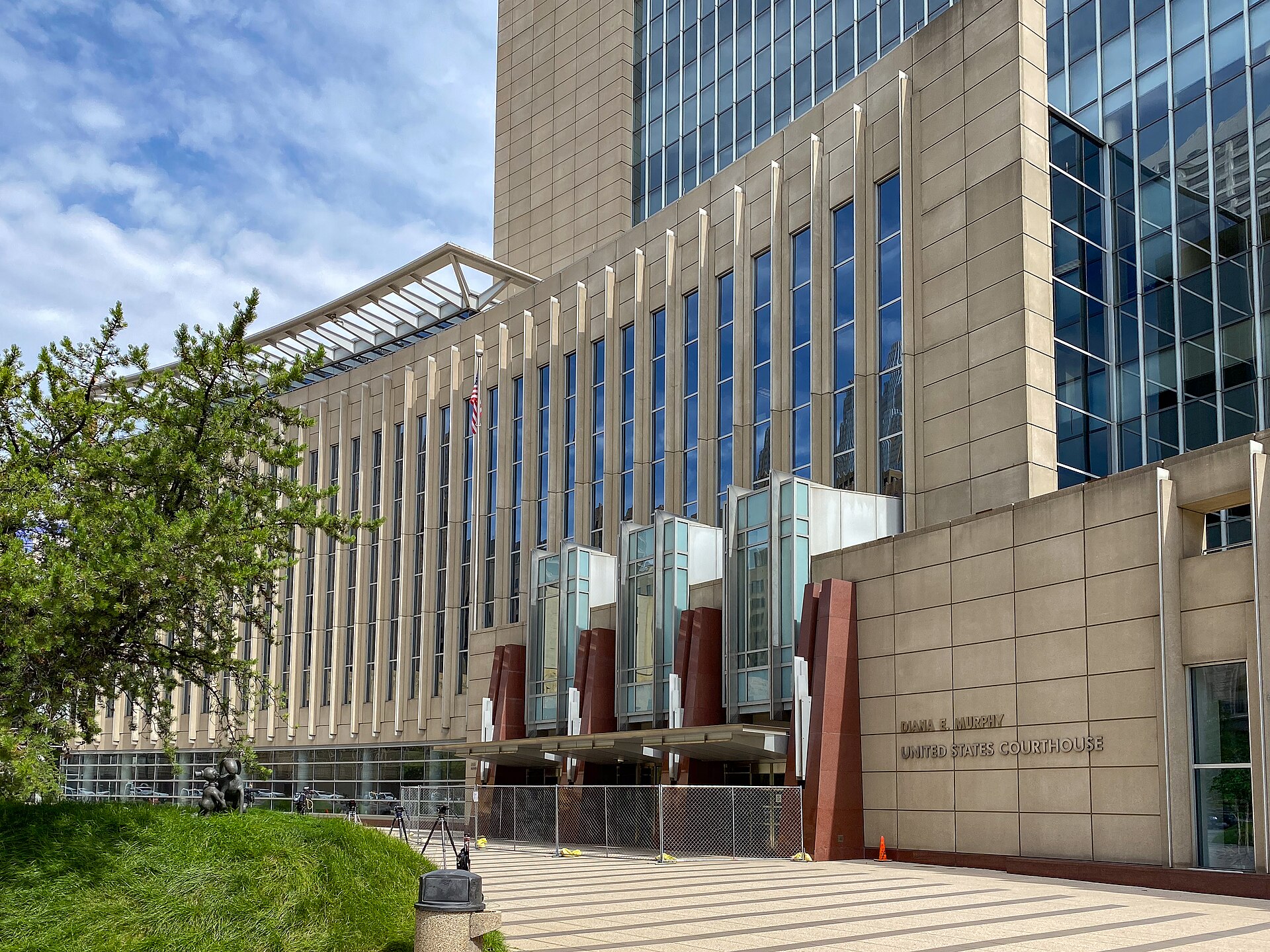
Menendez’s order does not end the case. A preliminary injunction is an early-stage court order meant to preserve the status quo while a lawsuit continues. In practical terms, the law remains on hold until the court reaches a final decision or a higher court changes course.
The judge sided for now with the challengers, who said they faced irreparable harm if the ban took effect. That finding is important because courts do not typically block a law before trial unless the plaintiffs clear a demanding threshold.
The challengers want one rulebook
The lawsuit brought together an unusual mix: the Commodity Futures Trading Commission, a federal financial regulator, and two private prediction-market companies, Kalshi and Polymarket. Their central argument is that prediction markets overseen by the CFTC are governed by federal law, not a state-by-state patchwork of gambling restrictions.
That preemption argument is the core of the case. In plain English, the challengers are saying Minnesota cannot ban what a federal regulatory system already controls. If that view prevails, states would have limited room to shut down these platforms through gambling statutes.
For Kalshi and Polymarket, the stakes are commercial as well as legal. Prediction markets depend on scale: more users, more contracts, more liquidity. A system where one state can block access, another can impose criminal penalties and another can allow trading under different terms would be a major obstacle to nationwide growth.
Why states see gambling risk
Prediction markets let users put money behind forecasts about future events. Depending on the platform, those events can include politics, sports, entertainment, economic data or pop-culture outcomes. Supporters often describe the markets as information tools that aggregate public expectations.
Critics see something closer to gambling, especially when users are betting on sports, reality TV or other outcomes with quick emotional payoffs. The concerns are not abstract. Lawmakers and gambling regulators have warned about addiction risks, advertising to vulnerable consumers and possible manipulation by people with inside knowledge.
Minnesota’s approach was unusually direct. Rather than relying only on existing anti-gambling laws, the state passed a targeted ban aimed at prediction markets themselves. That is why the case is being watched beyond Minnesota: it tests whether states can move from enforcement threats to explicit prohibition.
More than a dozen states have sought to use anti-gambling laws already on the books to block prediction-market trading, according to the Times. The Minnesota case now gives the federal courts a cleaner vehicle for deciding how far state authority can go.
The federal role is complicated
The CFTC’s involvement gives the lawsuit more weight than a standard business challenge to a state regulation. The agency oversees certain event contracts and has argued in related disputes that federal regulation preempts state efforts to ban prediction-market activity.
That position is controversial. If prediction markets look and feel like gambling to many consumers, state regulators argue they should not be sidelined simply because the products are structured as federally regulated contracts. States have long held power over gambling policy, licensing and consumer protection inside their borders.
The federal side counters that these markets are not ordinary casino products and should not be governed by 50 conflicting regimes. That argument has appeal for companies and traders, but it raises a hard policy question: does federal oversight provide enough protection when these platforms become mainstream entertainment products?
The CFTC has also faced scrutiny over decisions viewed by critics as favorable to prediction markets with political connections. The Times reported that Donald Trump Jr. advises both Kalshi and Polymarket and financially backs Polymarket. Those ties do not decide the legal question, but they add political heat to an already sensitive regulatory fight.
What the ruling does not decide
Menendez’s injunction does not declare prediction markets legal everywhere. It does not permanently strike down Minnesota’s law. It also does not settle whether a particular contract on sports, elections or entertainment crosses a legal line.
What it does do is signal that the challengers’ arguments were strong enough, at this stage, to stop Minnesota from enforcing the ban before it launched. The judge also found the companies faced a threat of harm that could not easily be repaired later.
Several questions remain open:
- Whether federal commodities law fully preempts Minnesota’s ban.
- Whether the state can revise or defend narrower restrictions.
- How courts will treat sports and entertainment contracts compared with financial or economic event contracts.
- Whether Congress or federal regulators will clarify the rules before courts finish the job.
Those unanswered questions matter because prediction markets are growing faster than the legal framework around them. A temporary pause in Minnesota may become a roadmap for other states, either to rethink bans or to craft laws designed to survive federal review.
A bigger fight than one state
The Minnesota dispute lands at a moment when prediction markets are moving from niche finance circles into broader consumer culture. Their supporters say they can reveal useful public expectations more quickly than polls, pundits or surveys. Their critics argue that the same speed and excitement can turn public events into gambling products with thin guardrails.
That tension explains why the case is attracting attention. Minnesota tried to draw a hard line. A federal judge has now said the state must wait while the courts examine whether that line conflicts with federal authority.
For now, Kalshi and Polymarket avoid a major state-level setback, and Minnesota’s first-in-the-nation ban remains frozen. The final ruling will matter well beyond the state’s borders: it could help decide whether prediction markets grow under a national regulatory umbrella or face a state-by-state battle over what counts as gambling.






Leave a Reply