
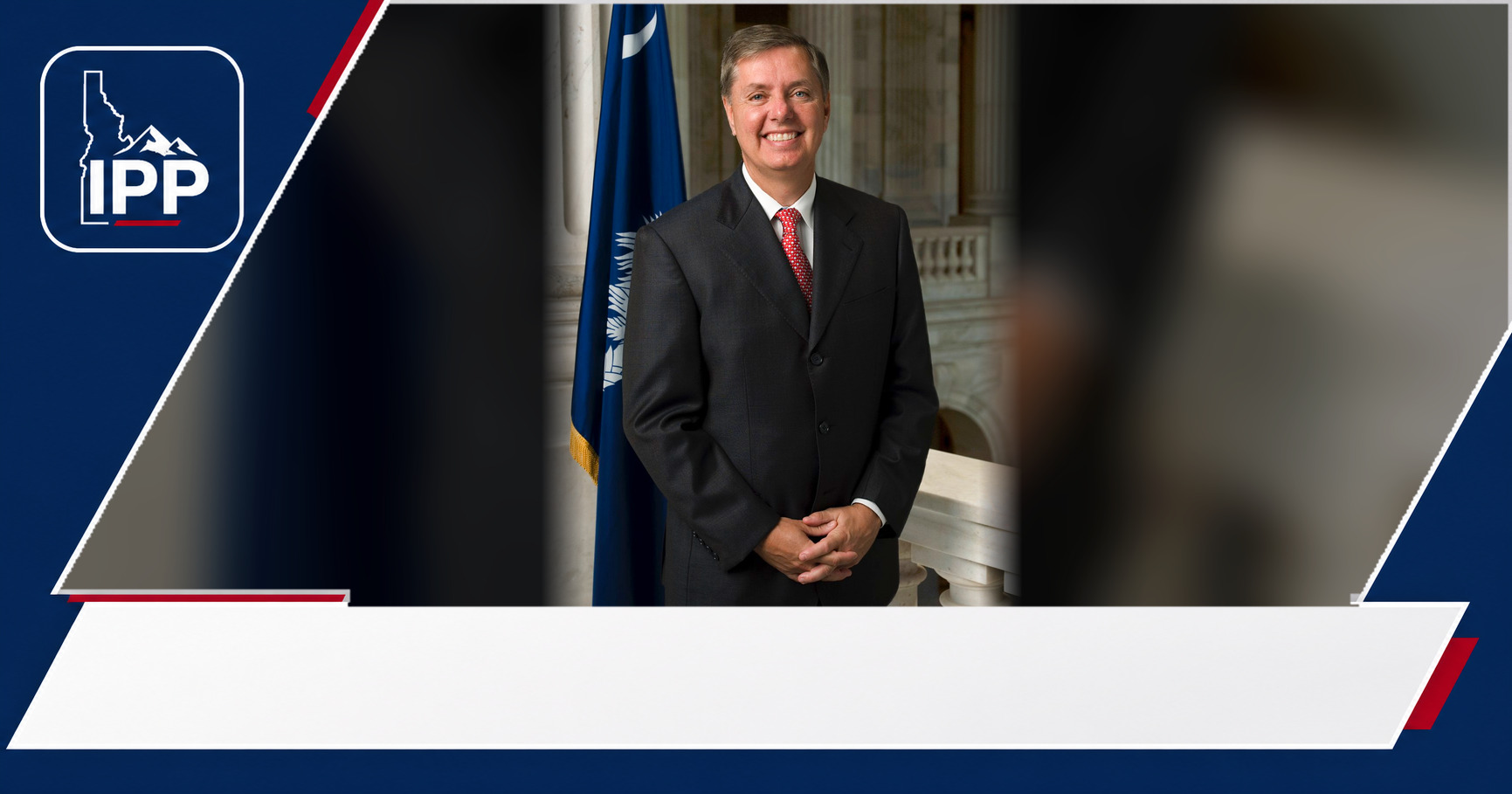
The memorials underscored Graham’s unusual place in modern Republican politics: partisan fighter, dealmaker, foreign-policy hawk and Trump ally. His funeral services also highlighted the unresolved debates that defined his career.
Lindsey Graham was remembered as a true American original Tuesday, July 28, 2026, as a memorial at the U.S. Capitol in Washington opened two days of tributes honoring Graham, the late South Carolina Republican senator. President Donald Trump, Senate leaders and foreign dignitaries gathered for ceremonies that framed Graham as both a dealmaking Capitol fixture and a force in U.S. foreign policy.
The honors were not just ceremonial Washington routine. They offered a public inventory of a career that ran from the Republican wave of 1994 to the Trump era, touching impeachment fights, Supreme Court confirmations, military debates and the wars shaping U.S. alliances.
A Capitol farewell with weight
Graham’s flag-draped casket was brought into the Capitol Rotunda for a congressional tribute, according to the Associated Press. The setting mattered: this was the room reserved for national rituals, bipartisan mourning and carefully staged displays of institutional respect.
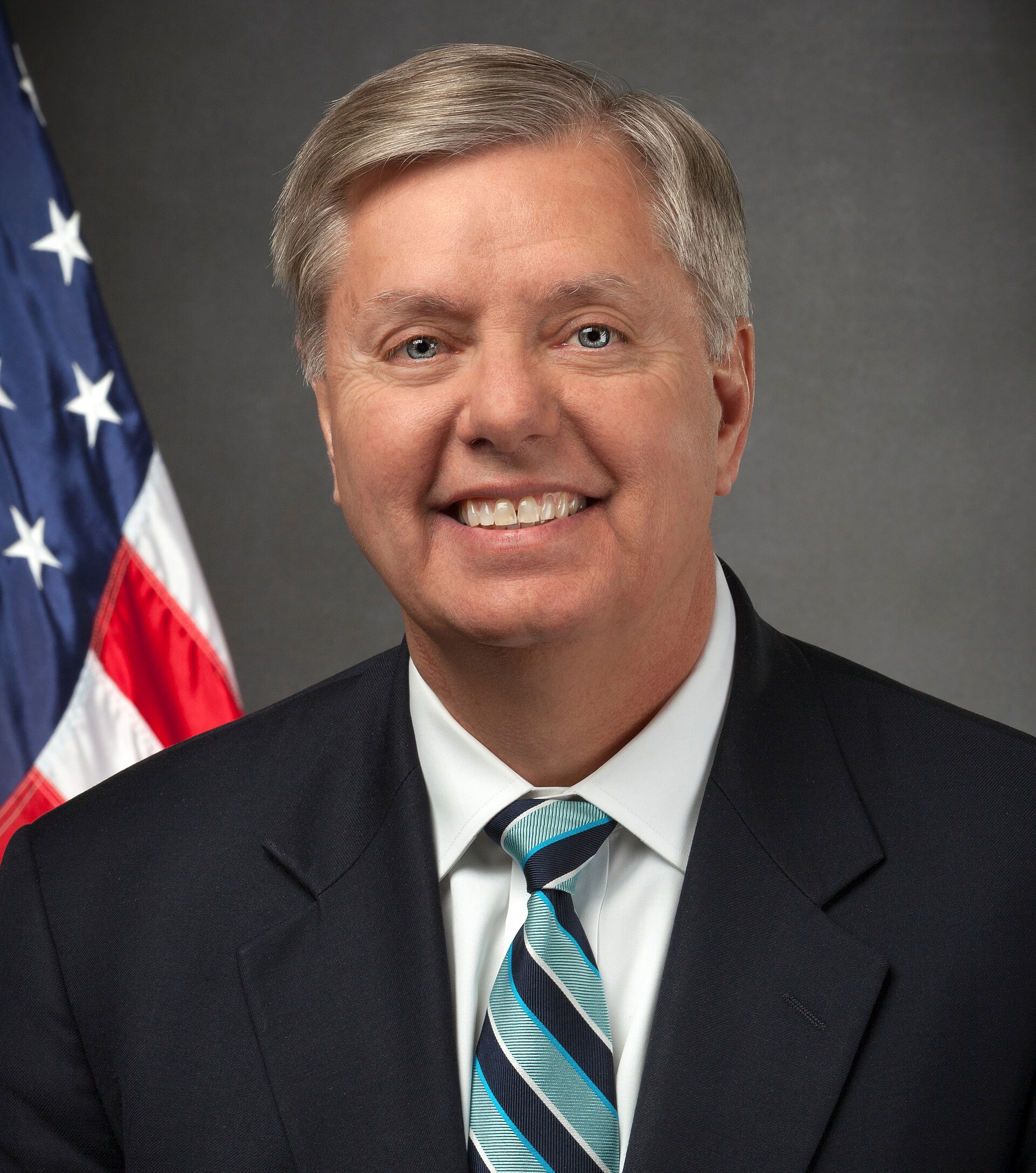
Senate Majority Leader John Thune, a South Dakota Republican, described Graham as a “towering figure” and grew emotional during his remarks. Vice President JD Vance called him a man of “swashbuckling” stature, recalling the senator as someone who seemed to burst into the Senate rather than simply serve in it.
The Rotunda scene also showed how widely Graham’s relationships stretched. Colleagues from both parties approached the casket in their own ways: a hand on the heart, a salute, a bow, a brief kiss, a fist bump. The gestures were small, but they captured how Graham’s brand of politics was intensely personal, even when the fights were not.
Trump’s tribute carried history
At Washington National Cathedral, Trump called Graham “a giant of the United States Senate” and “a true American original who left us much too soon,” the AP reported. The line was affectionate, but it also carried a decade of complicated political history.
Graham and Trump were once presidential rivals. Trump famously read Graham’s cell phone number aloud during the 2016 campaign, an episode Trump revisited in his remarks. His punchline was that Graham got the last laugh because, as Trump put it, the senator “did not stop calling me for the next 10 years.”
That joke pointed to one of the central facts of Graham’s later career: he became one of Trump’s most visible Senate allies after initially opposing him. Supporters saw that as pragmatism and access to power. Critics saw it as a symbol of how Republican politics bent around Trump. The memorial did not resolve that argument, but it made clear that the relationship shaped Graham’s final political chapter.
A foreign-policy senator to the end
The guest list at the cathedral spoke as loudly as the eulogies. Israeli Prime Minister Benjamin Netanyahu and Ukrainian President Volodymyr Zelenskyy were among those present, according to the AP — leaders of two countries fighting separate wars and both closely tied to debates Graham championed for years.
Graham was one of the Senate’s best-known believers in an assertive American role abroad. He traveled often, pushed for military support to allies and argued that U.S. power should be used to confront threats before they grew larger. That worldview made him influential in Washington and controversial outside it, especially among Republicans skeptical of foreign entanglements.
Vance acknowledged that tension directly, recalling disagreements with Graham over aid to Ukraine. Yet he still credited Graham’s legacy, including his role in conservative judicial politics. The mix of praise and policy disagreement was one of the more revealing notes of the day: even among allies, Graham’s approach to the world remains contested.
The career behind the ceremony
Graham’s rise began far from the grandeur of the Rotunda. The son of pool hall owners, he entered Congress in the 1994 Republican wave that brought the GOP to power in the House. He became one of the first Republicans from South Carolina to hold such prominence in the post-Reconstruction era.
He gained national attention as a House manager during President Bill Clinton’s impeachment, then won election to the Senate in 2002. Once there, he became known for joining bipartisan groups on immigration, national security and judicial nominations, while also remaining a reliably combative conservative on major partisan fights.
One of his defining alliances was with Sen. John McCain of Arizona and Sen. Joe Lieberman of Connecticut. The trio, often called the “three amigos,” traveled frequently and pushed a hawkish national security agenda. That identity followed Graham through debates over Iraq, Afghanistan, Ukraine, NATO and America’s obligations to allies.
His defenders emphasized his stamina, humor and loyalty. His skeptics pointed to his reversals, especially his evolution from Trump critic to Trump defender. Both readings are part of the record, and both help explain why his memorial drew figures from so many corners of power.
What happens after Washington
The services in Washington began two days of memorial events. Graham was expected to be buried Wednesday in South Carolina, his home state. The White House also said Joint Base Charleston would be renamed in his honor, according to the AP.
Graham died suddenly on July 11 at his home in Washington. Preliminary findings indicated a likely aortic tear, the AP reported. He was 71 and had recently returned from a NATO summit in Turkey and a visit to Ukraine — a final itinerary that reflected the pace and priorities of his public life.
His sister, now-Sen. Darline Graham, attended the services after being appointed by South Carolina’s governor to fill the remainder of his term. That appointment ensures the family name remains, at least temporarily, inside the institution where Lindsey Graham spent more than three decades.
The political legacy is less tidy. Graham leaves behind a model of Senate power built on relationships, media fluency, policy intensity and relentless adaptation. The memorial cast those traits in warm light. The debates around them will continue long after the casket leaves Washington.








Leave a Reply