
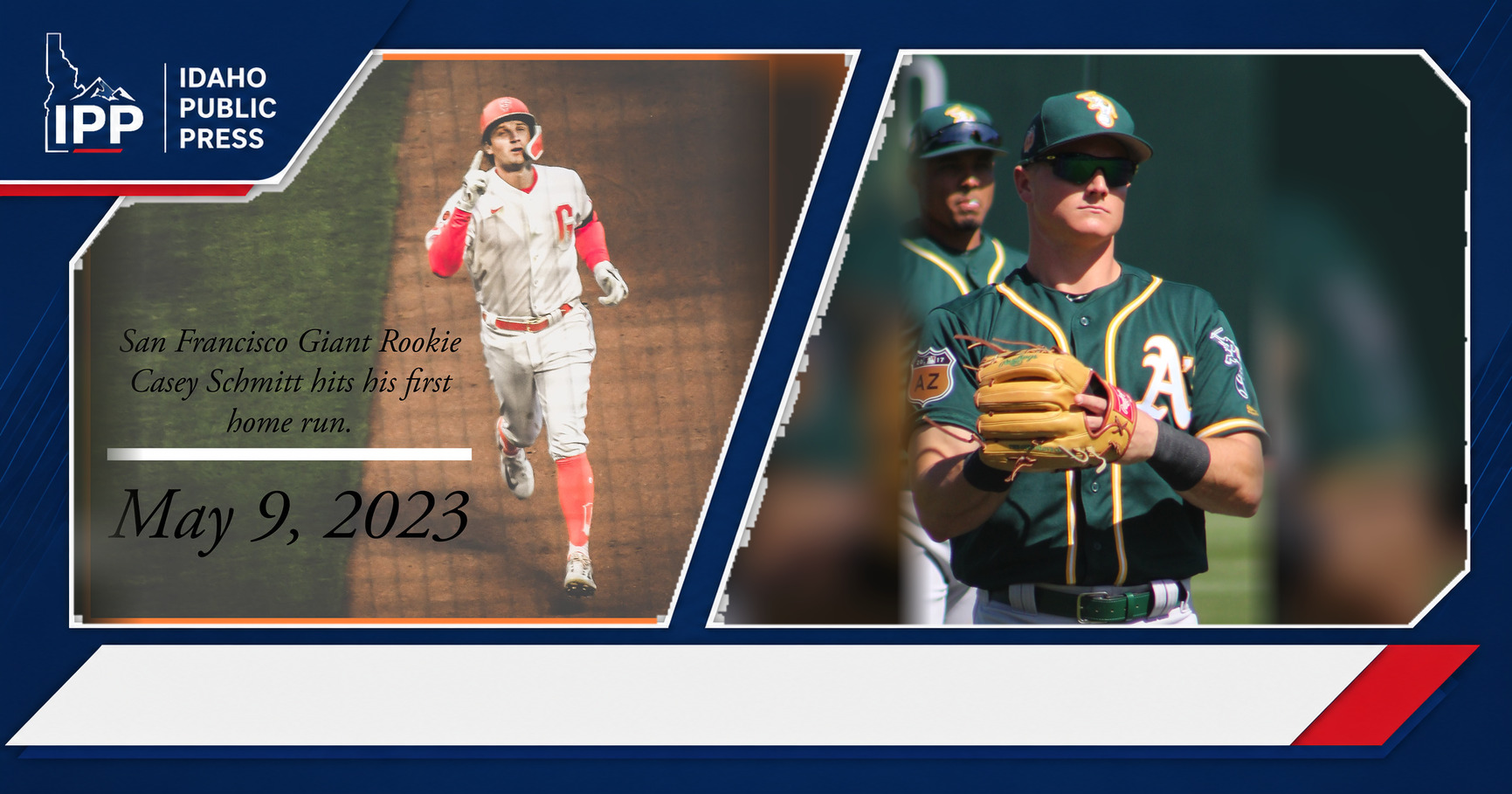
Schmitt was already filling in for injured veteran Matt Chapman, so his absence hits a thin part of San Francisco’s roster. The next move will show whether the Giants prioritize stability, evaluation or a more aggressive infield shuffle.
Casey Schmitt suffered a knee injury while rounding first base, left a game early, and now the Giants have a third base problem. The San Francisco Giants suddenly have to explain how his injury affects the Giants’ roster plans because Schmitt was covering third base with Matt Chapman already hurt, turning one spot in San Francisco’s infield from patched-together to exposed.
The timing is awkward because the Giants had just beaten the Milwaukee Brewers 3-0 on Monday, a clean win that was quickly overshadowed by an injury that could cost Schmitt significant time.
The win became a roster test
On the scoreboard, Monday looked like one of San Francisco’s better nights. The Giants shut out Milwaukee, a club described in the report as having the second-best record in Major League Baseball at the time, and banked a crisp 3-0 victory.
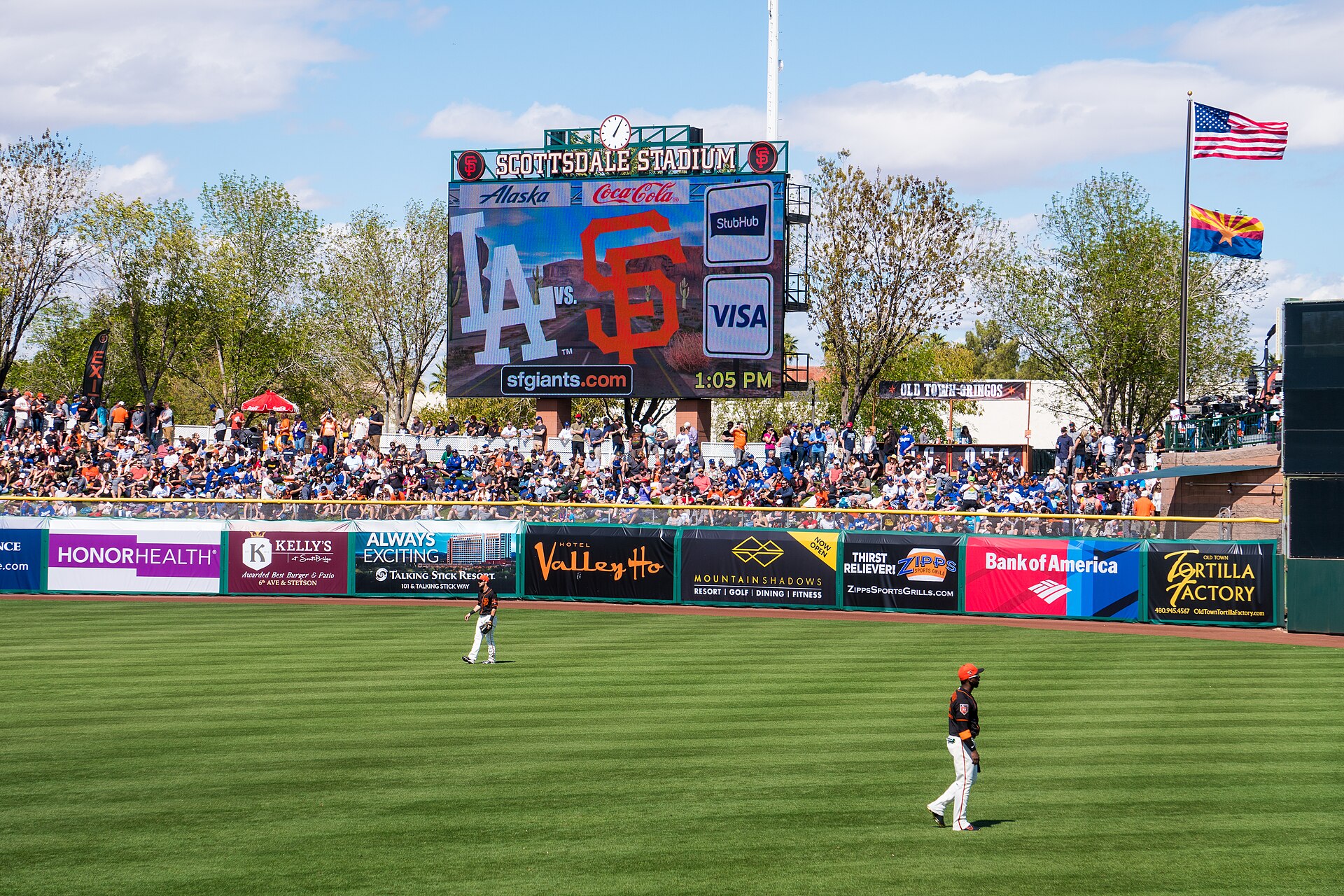
That is the type of game a struggling team can usually treat as a small reset. Instead, the lasting image became Schmitt leaving after getting hurt rounding first base in the bottom of the second inning.
Manager Tony Vitello did not frame it as a minor scare afterward. He said Schmitt was not going to play the next day and indicated there was a strong chance the infielder would miss “significant time,” with an MRI expected to clarify the extent of the injury.
Why Schmitt’s absence stings
The immediate issue is not simply losing one player. It is losing the player who was already serving as the solution to a previous problem.
Schmitt had been handling third base because Matt Chapman was injured. That made him more than a bench piece or a convenient fill-in. He was the bridge holding together a key infield spot while the Giants waited for better health.
When the backup plan gets hurt, the roster stops looking flexible and starts looking thin. San Francisco now has to decide whether it wants the simplest defensive answer, the most interesting lineup answer, or a short-term patch designed mainly to get through the next few games.
That matters even in a season that has not gone the Giants’ way. At 45-61 and in fourth place, San Francisco is not described as a team charging toward October. But a club still has to manage innings, evaluate players and avoid turning one injury into a chain reaction across the diamond.
Koss offers the cleanest patch
The straightforward answer appears to be Christian Koss. According to the report, Vitello will look to Koss to take over duties at third base with Schmitt unavailable.
That path has an obvious appeal. It keeps the rest of the infield closer to intact, avoids asking a bigger-name player to change roles again, and gives the Giants a defined plan while they wait on Schmitt’s MRI and Chapman’s status.
The risk is that the cleanest patch may not be the most productive one. If San Francisco is trying to squeeze offense out of a wounded roster, simply plugging in the next available infielder may stabilize the position without changing much about the team’s ceiling.
For a club trying to learn something from the final stretch, Koss could still be useful. Those innings would show whether he can be trusted in a regular role, or whether he is better viewed as depth when the roster is whole.
Devers brings a bigger question
The more intriguing possibility is Rafael Devers. He is currently playing first base for San Francisco, but third base is not foreign territory for him. He handled the hot corner in Boston before moving spots with the Giants.
That makes Devers both a solution and a complication. Moving him to third could give San Francisco a more experienced and potentially more impactful answer at the position. It could also create a new opening at first base and force another reshuffle.
This is where the debate gets more interesting than a normal injury replacement. One viewpoint says the Giants should keep Devers comfortable and avoid moving a key bat around during a lost season. Another says the standings give San Francisco permission to experiment, especially if it helps the club understand what its infield could look like beyond this year.
There is also the defensive question. Third base demands reaction, arm strength and comfort with odd hops. If Devers is not currently being used there every day, the Giants would have to decide whether the upside is worth the disruption.
A thin spot was already visible
Schmitt’s injury feels abrupt, but the vulnerability at third base was already there. Chapman’s absence created the first hole. Schmitt’s exit revealed how little margin remained behind him.
That is why this is bigger than one unlucky trip around first base. It forces the front office and coaching staff to show how they value the rest of the season. Do they preserve roles? Do they audition younger or less-established players? Do they ask veterans to move in the name of short-term competitiveness?
For fans, the answer may say as much about the Giants’ direction as the standings do. A team buried in fourth place can still use the final months to sort out its next roster. Injuries make that harder, but they also create opportunities for players who otherwise might not get extended looks.
The uncomfortable part is that opportunity arrives because Schmitt, who had been playing regularly and covering for Chapman, may now be unavailable for a meaningful stretch. Vitello’s comment that Schmitt loves playing every day underscored the human side of a move that can otherwise sound like a lineup puzzle.
What remains unsettled
The Giants’ next step depends on information they did not yet have immediately after the game. The MRI is the key piece, because “significant time” can mean different things depending on the diagnosis and recovery path.
- Schmitt’s timeline: The MRI should determine whether this is a short absence or a longer roster issue.
- Chapman’s status: His return would immediately change the urgency at third base.
- Koss’s role: If he starts there regularly, the Giants can evaluate whether he is more than emergency depth.
- Devers’s flexibility: A move back to third would reveal how willing San Francisco is to disrupt one position to solve another.
The clean takeaway is that Schmitt’s injury is not a franchise-altering blow by itself. But it arrives at a position where the Giants were already improvising, and that makes every decision around third base more revealing.
San Francisco can treat the next few games as damage control, or it can use them to test a future alignment. Either way, Schmitt’s absence has turned an otherwise strong win into a fresh roster problem the Giants can no longer postpone.







Leave a Reply