
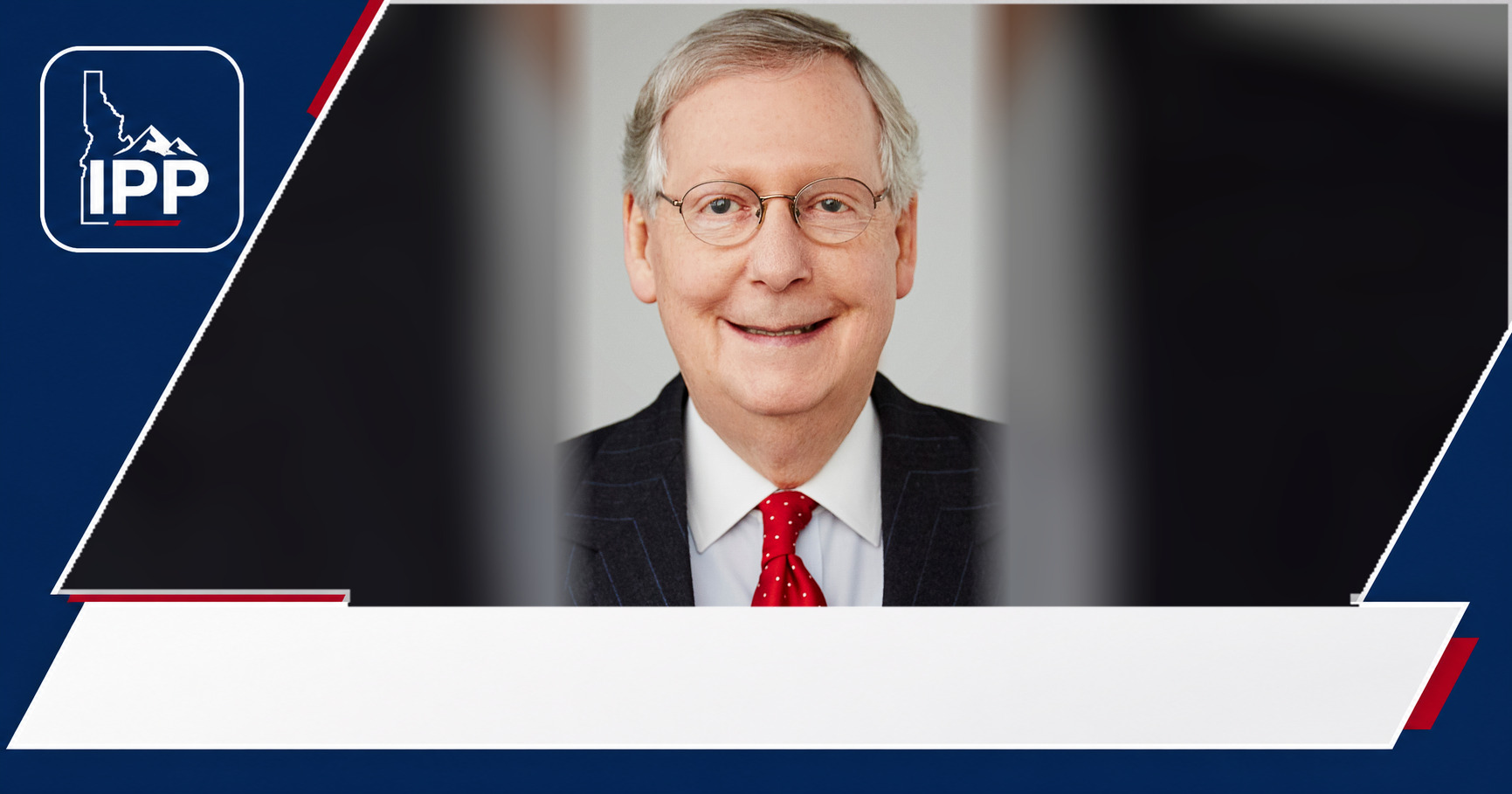
The photo debate is less about one image than about trust, transparency and how little the public can verify when a powerful senator’s health becomes uncertain.
A family friend is focusing on an odd detail in a new photo of Mitch McConnell, tying the image to questions about McConnell’s health or condition and warning that “everything will unravel.” The scrutiny matters because the 84-year-old Kentucky Republican recently said a fall led to his hospitalization, after weeks of speculation about his condition.
The photo has become a political Rorschach test: supporters want proof McConnell is recovering, skeptics see gaps in the official account, and medical reality cannot be confirmed from an image alone.
A photo becomes the evidence
The latest attention began with a Raw Story item circulating on MSN that described a family friend zeroing in on an oddity in a new McConnell photo. The headline’s force comes from the quote attached to that reaction: “Everything will unravel.”
What is clear from the broader reporting is that the image landed in an environment already primed for doubt. McConnell’s health had been the subject of mounting questions after a hospitalization that his office initially did not fully explain.
That silence created a vacuum. Once a photo appeared, viewers treated it not as a routine update but as a document to be inspected, challenged and interpreted.
That is a risky way to assess anyone’s condition. A still photo can show posture, expression or setting, but it cannot establish a diagnosis, recovery timeline or the full circumstances in which it was taken.
McConnell’s own explanation
According to The Washington Post, McConnell said on July 12 that a fall led to his hospitalization. The Post reported that the statement marked the first time he had publicly explained what caused the hospital stay after weeks of silence about his condition.
A separate Washington Post account reported that McConnell also disclosed he had battled “a mild case of pneumonia” and said he was not yet healthy enough to return to the Senate at that point.
Those details are significant because they moved the story from rumor to a partial official explanation. A fall and pneumonia are concrete medical events, especially for an 84-year-old senator, but they still do not answer every question about his functioning, schedule or recovery.
That gap between what was disclosed and what observers wanted to know is where photo analysis began to flourish.
Why the image drew doubt
NBC News reported that conspiracy theories about McConnell’s health spread after his office posted a hospital photo. The outlet said even two Republican colleagues questioned the photograph without evidence, reflecting a broader climate of distrust.
McConnell spokesman David Popp told NBC News, “The photo is real.” That statement directly addressed one strand of skepticism: whether the image itself was authentic.
But authenticity is only one issue. A real photo can still leave unanswered questions about timing, staging, health status and context. That is why the family friend’s reaction caught attention: it framed the picture as a clue, not merely an update.
There is also a political reason people scrutinize such images. McConnell is not a private citizen. He is a long-serving senator and one of the most consequential Republican figures of the past generation, so his ability to work is a matter of public interest.
The problem with photo diagnosis
There is a line between legitimate public concern and speculation dressed up as certainty. That line becomes easy to cross when people judge health from a single image.
Lighting, camera angle, medication, fatigue, hospital equipment and even the moment a photo is taken can change how someone appears. Without medical records or a physician’s assessment, visual clues remain impressions.
The family friend’s warning that “everything will unravel” may resonate with people already skeptical of official statements. It does not, by itself, prove that McConnell’s condition is worse than disclosed.
At the same time, public officials and their teams should understand how quickly ambiguity breeds suspicion. When a statement comes weeks after a hospitalization, every later image is likely to be picked apart.
Transparency meets political reality
Health disclosures by elected officials are often uneven. Politicians have privacy rights, but voters also have a stake in whether their representatives can perform the job.
McConnell’s case sits squarely in that tension. His office’s photo and public explanation may have been intended to reassure people. Instead, for some observers, they became new material for doubt.
That does not mean every question is fair or every theory deserves equal weight. NBC’s reporting noted that some claims about the photo spread without evidence. Responsible scrutiny should separate verified facts from inference.
The verified facts are narrower: McConnell said he was hospitalized because of a fall; The Washington Post reported he also had mild pneumonia and was not yet ready to return to the Senate; NBC reported his spokesman said the hospital photo was real.
What remains unclear
The unresolved questions are practical, not just personal. When will McConnell return to regular Senate work? Has his medical team cleared him for travel and votes? Will his office provide more detailed updates, or keep disclosures limited?
Those questions matter more than internet theories about one image. They speak to representation, Senate operations and public confidence.
For now, the new McConnell photo has become a stand-in for a larger dispute over trust. The family friend’s scrutiny gave the story a sharper edge, but the bigger issue is the same one that has followed the hospitalization from the start: when official information is delayed or incomplete, people start looking for answers in whatever evidence they can see.
The clearest takeaway is also the most restrained one. The photo may be real, and McConnell’s stated explanation may be accurate, but public confidence will depend on what his office says and shows next.




Leave a Reply