
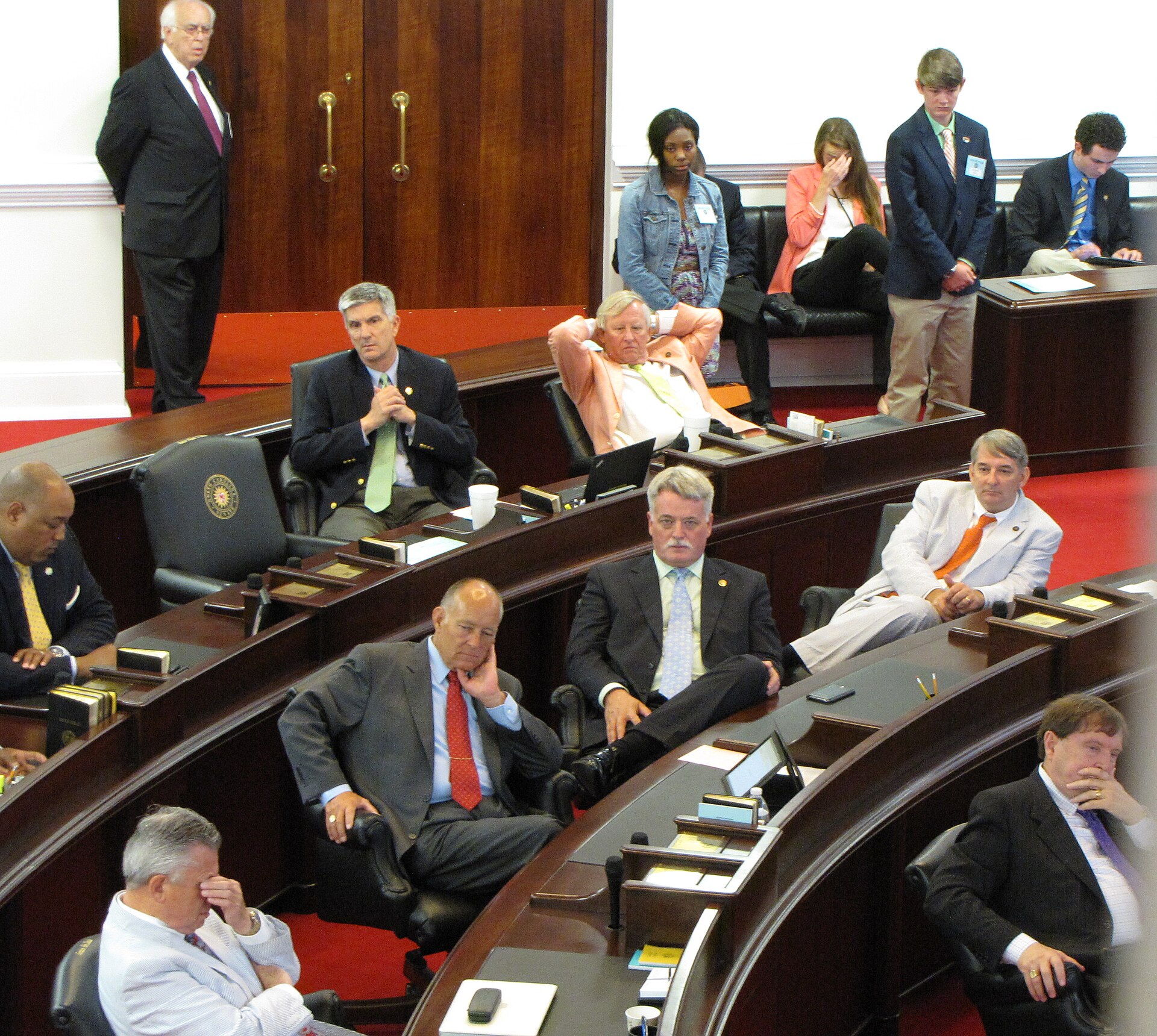
The proposal pairs two sensitive election issues: how long voters have to cast ballots early, and how much the public can see about political money. Both changes could reshape how North Carolina voters, campaigns and election officials prepare for future contests.
North Carolina Senate lawmakers are considering legislation to shorten early voting in North Carolina from 17 days to 10 days, and the proposal would add more secrecy to campaign finance rules. This article explains the election law changes under consideration in North Carolina and why the General Assembly of North Carolina debate matters now.
The proposal would affect two parts of elections that voters actually feel: when they can cast an early in-person ballot, and how much they can learn about money moving through campaigns and political committees.
A shorter early-voting calendar
The most direct change is the early-voting window. North Carolina currently allows a 17-day early in-person voting period for statewide general elections, according to information published by the North Carolina State Board of Elections.
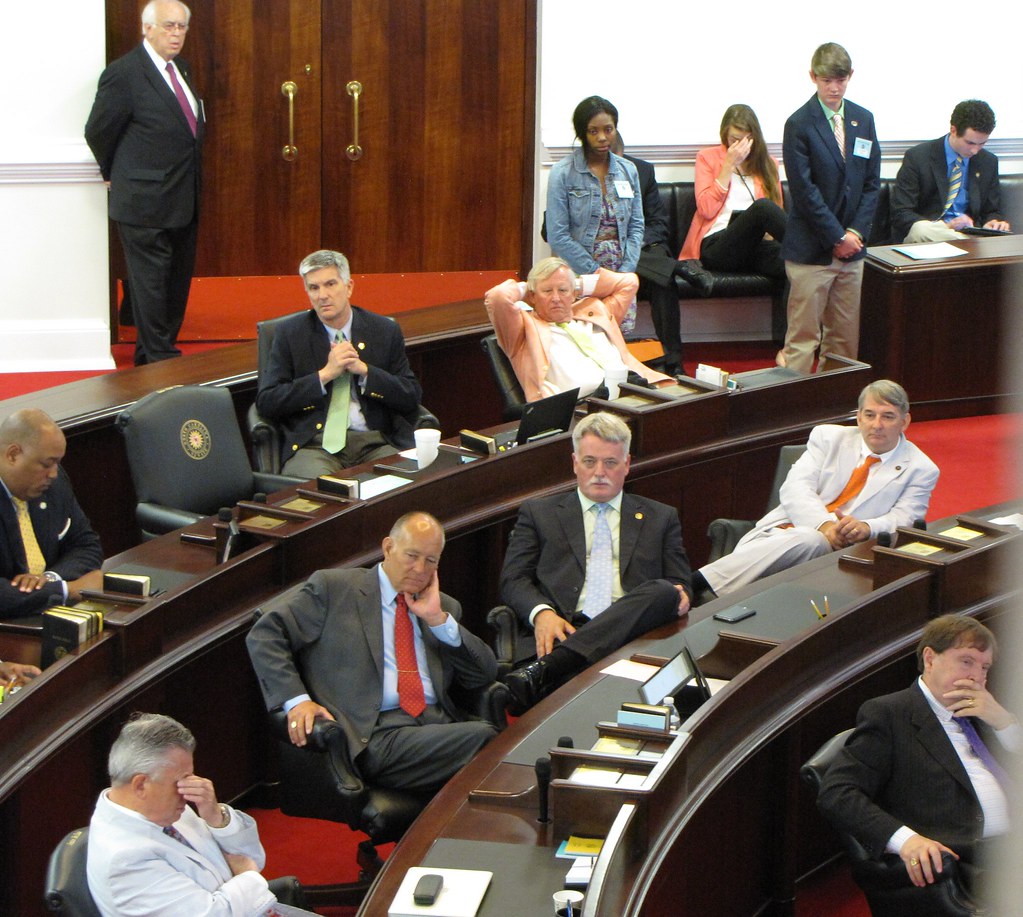
For the November 2026 general election, the State Board lists early voting as beginning Thursday, Oct. 15, and ending at 3 p.m. Saturday, Oct. 31, before Election Day on Tuesday, Nov. 3. That calendar gives voters more than two weeks to find a time and location that works.
The Senate proposal, as described in the WRAL News report and reflected in the legislative debate, would reduce that period to 10 days. That is not a small administrative trim. It would remove a week from the period when voters can show up at any early-voting site in their county rather than their assigned Election Day precinct.
That distinction matters because early voting in North Carolina is not simply Election Day spread out over more dates. It comes with different rules and, for many voters, more flexibility.
What voters use early voting for
The State Board of Elections says voters may cast a ballot at any early-voting site in their county during the early-voting period. On Election Day, by contrast, registered voters generally must vote at their assigned polling place.
Early voting is also when North Carolina offers same-day registration. Eligible people who are not registered in the county may register and vote at the same early-voting site, while voters already registered may update a name or address within the same county.
The State Board’s public guidance notes that same-day registration is not available for most voters on Election Day. So a shorter early-voting period would also shorten the time available for that combined registration-and-voting option.
Early-voting sites also serve another function: voters with mail ballots may deliver them to a county board of elections office or to an election official at an early-voting site during operating hours. A compressed schedule could put more pressure on voters who wait to return absentee ballots in person, as well as on county election offices managing traffic, staffing and ballot intake.
County planning would get tighter
Early voting is planned locally, but it is not casual. County boards of elections set sites and schedules, and the State Board can step in when county plans are not unanimous. The State Board’s 2026 guidance notes a meeting scheduled for Aug. 20, 2026, to finalize any non-unanimous county early-voting plans, with public comment accepted ahead of that date.
A 10-day window would force counties to concentrate voting hours, staffing and voter education into a shorter period. In larger counties, that could mean heavier use of high-traffic sites. In rural counties, it could make the balance between convenience and available staffing even harder.
Supporters of shorter early-voting periods often argue that fewer days can simplify administration, reduce costs and focus resources. Critics argue that the longer window is valuable precisely because voters’ work schedules, caregiving duties, transportation limits and health needs vary.
The practical effect would depend on the final text, the number of sites approved in each county and the hours offered. A 10-day window with robust weekend and evening hours would feel different from one with fewer high-access options.
Campaign finance would become less visible
The second piece is less tangible to most voters but just as important to election oversight. The proposal would add more secrecy to campaign finance rules, according to the WRAL News report.
North Carolina’s campaign finance framework sits in state election law, including Chapter 163, Article 14A of the North Carolina General Statutes. That body of law governs reporting and disclosure systems that help voters, journalists, watchdog groups and opponents track political money.
The available public source brief does not establish every line of the campaign-finance provision or identify exactly which records, donors or communications would be shielded. That uncertainty matters. “More secrecy” in campaign finance can mean different things, from limiting public access to certain filings to protecting some identifying information or narrowing what must be disclosed.
There is a real policy debate here. Advocates for privacy can argue that some donors, vendors or politically active people should not face harassment or retaliation because of lawful political spending. Transparency advocates counter that elections depend on the public’s ability to see who is trying to influence power, especially when spending flows through committees, nonprofits or other intermediaries.
One package, two accountability fights
Putting early voting and campaign finance in the same election-law package raises the stakes. One provision shapes voter access. The other shapes voter knowledge.
Those are separate questions, but they collide in close states such as North Carolina, where small changes in turnout, ballot access, campaign spending or disclosure can become heavily contested. The state has repeatedly been a battleground for election administration fights, and changes passed in Raleigh can quickly become campaign issues statewide.
The General Assembly documents identified in the research describe election legislation as “An Act to Make Various Changes Regarding Election Laws.” That broad framing is typical of election-law packages, but it also means voters may need to look past the label and into the mechanics.
A shorter early-voting period is easy to understand. A campaign-finance disclosure change is harder to explain in a headline. Together, they would affect both the act of voting and the information environment around voting.
What is still unclear
Several key questions remain open until the final legislative language and schedule are clear. The biggest is exactly how the 10-day early-voting period would be structured and whether counties would be required, encouraged or simply allowed to compensate with longer hours or more sites.
Another question is timing. Election-law changes can be especially disruptive if they arrive close to an election cycle, because county boards, campaigns and civic groups need time to update training, outreach and voter instructions.
The campaign-finance side needs even more specificity. Voters should watch for which information would no longer be public, which entities would benefit, whether enforcement agencies would still have access, and whether the change applies only going forward or also affects existing records.
The clean takeaway: North Carolina is not just debating a shorter early-voting period. It is weighing whether to narrow two forms of public access at once — access to the ballot before Election Day, and access to information about political money.









Leave a Reply