
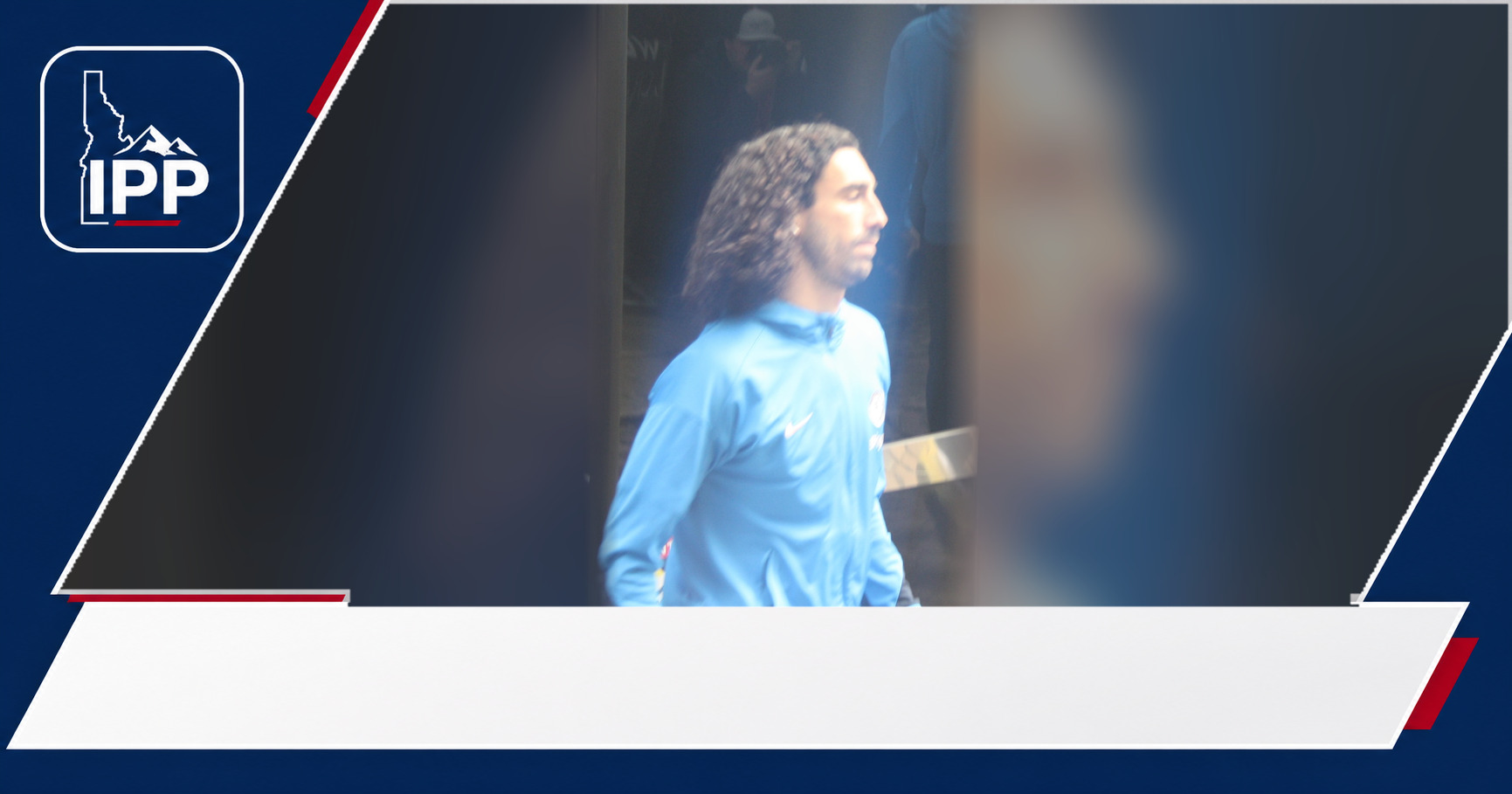
The Spain defender turned a bold pre-tournament promise into a permanent tribute. The tattoo also underlines how quickly a World Cup triumph becomes part of a player’s personal mythology.
Spain’s Marc Cucurella keeps promise in the most permanent way: Marc Cucurella got a tattoo of Spain coach Luis de la Fuente’s face after Spain won the World Cup, fulfilling the pledge he had made before the tournament if La Roja lifted the trophy. The Spain defender shared the new ink on July 28, after Spain’s 1-0 victory over Argentina on July 19 at MetLife Stadium in New Jersey.
The tattoo is not just a punchline to a bold prediction. It turns Spain’s World Cup win into a personal monument, with Luis de la Fuente, the trophy and the year of the triumph now part of Cucurella’s own story.
A promise made before glory
According to USA Today, Cucurella had said before the World Cup that he would get his coach’s face tattooed if Spain won the tournament. That kind of promise can sound harmless in the buildup, when every team is still selling belief and every player is imagining a perfect ending.
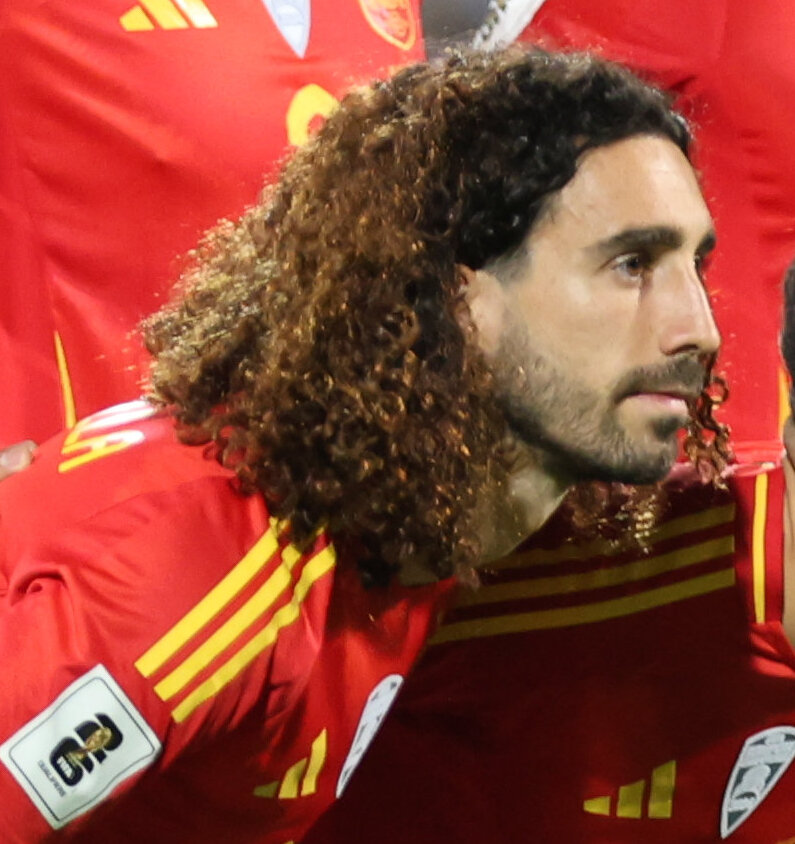
Then Spain actually delivered. The final ended with a 1-0 win over Argentina, giving Spain its second men’s World Cup title and turning Cucurella’s throwaway-sounding pledge into a receipt that fans could reasonably ask him to honor.
Reuters described the defender as proving he was a man of his word. That phrasing fits the appeal of the story: the tattoo matters because it connects an outrageous public vow to the rarest achievement in the sport.
What the tattoo shows
USA Today reported that Cucurella shared before-and-after images of the tattooing process on social media. The artwork features De la Fuente holding the World Cup trophy, with the number 26 behind him to mark Spain’s 2026 triumph.
That detail matters. This was not simply a small initials tattoo or a quiet symbol hidden away from the cameras. The design ties the coach, the trophy and the year together, turning a national title into a single visual statement.
ESPN had reported after the final that Cucurella said the tattoo of De la Fuente’s face had to be somewhere visible. That made the eventual reveal feel less like a private keepsake and more like the completion of a public ritual.
Why De la Fuente’s face matters
Players usually tattoo dates, trophies, family names or national symbols. A coach’s face is a far more specific tribute. It suggests Cucurella wanted the victory remembered not only as Spain’s achievement, but as a vindication of De la Fuente’s leadership.
For a national team manager, the World Cup is the ultimate test of selection, tactics and trust. De la Fuente’s image on Cucurella’s body becomes a shorthand for the relationship between a coach who picked a team and a defender who helped carry out the plan.
That is part of why the story traveled beyond ordinary celebration content. A player kissing a trophy is expected. A defender permanently putting his coach’s face in ink is strange enough to stop the scroll, but sincere enough not to feel empty.
Cucurella’s loud summer
The tattoo landed during a busy stretch for Cucurella. USA Today reported that the reveal came shortly after he posted an emotional farewell video to Chelsea fans, with his move to Real Madrid already announced on June 15.
That timing gives the tattoo another layer. Cucurella was not only closing a World Cup chapter with Spain; he was also moving into a new club phase after leaving Stamford Bridge. For a player, those transitions can reshape public identity almost overnight.
In that context, the tattoo works as a marker of certainty. Club careers move, contracts change and fan relationships can turn complicated. A World Cup title with Spain is fixed, and Cucurella has now made it visible in a way that cannot be edited out of his résumé.
Celebration or spectacle?
There are two fair ways to see this. One is simple: Cucurella made a promise, Spain won, and he followed through. In a sports culture full of slogans and staged confidence, keeping the vow gives the celebration a charming edge.
The other view is more skeptical. Modern soccer rewards public personality, and a tattoo reveal is also content. Social media turns even private acts of commemoration into shareable proof of loyalty, humor and marketable emotion.
Both readings can be true. Cucurella can genuinely admire De la Fuente and still understand that a tattoo of the coach’s face will travel across feeds. The modern athlete often lives in that overlap, where sincerity and spectacle are hard to separate.
The lasting takeaway
What remains clear is the verified sequence: Cucurella made the tattoo pledge before the World Cup, Spain beat Argentina 1-0 in the final, and he later revealed artwork honoring De la Fuente and the 2026 title. The rest is interpretation.
The private meaning belongs to Cucurella. The public meaning belongs to the moment. Spain’s victory gave him the rare kind of promise worth keeping, and he chose the one method that makes backing out impossible.
For Spain fans, the image will sit alongside the broader celebration of a second World Cup crown. For everyone else, it is a reminder that soccer’s biggest tournaments do not end when the trophy is lifted. They keep producing symbols, jokes, tributes and personal legends long after the final whistle.





Leave a Reply