

The reported mutual interest lowers the temperature around Curry’s future, but it does not erase the Warriors’ bigger problem: how to build a contender before his next contract decision becomes real.
Stephen Curry’s stance on his future with the Golden State Warriors has been revealed: Curry’s future plans with the Warriors still point toward staying put, with ESPN’s Shams Charania reporting mutual interest in a new contract extension. That matters now because Curry is nearing extension eligibility while Golden State weighs its next era.
The key word is mutual. Curry is not being portrayed as a star angling for the exit, but the Warriors are still at a crossroads where loyalty, money, health and roster ambition all collide.
Curry signal calms the room
According to the report cited by Larry Brown Sports, Curry and the Warriors have mutual interest in discussing a new contract extension. Charania also reported that Curry understands Golden State is at a crossroads and remains willing to have those talks anyway.
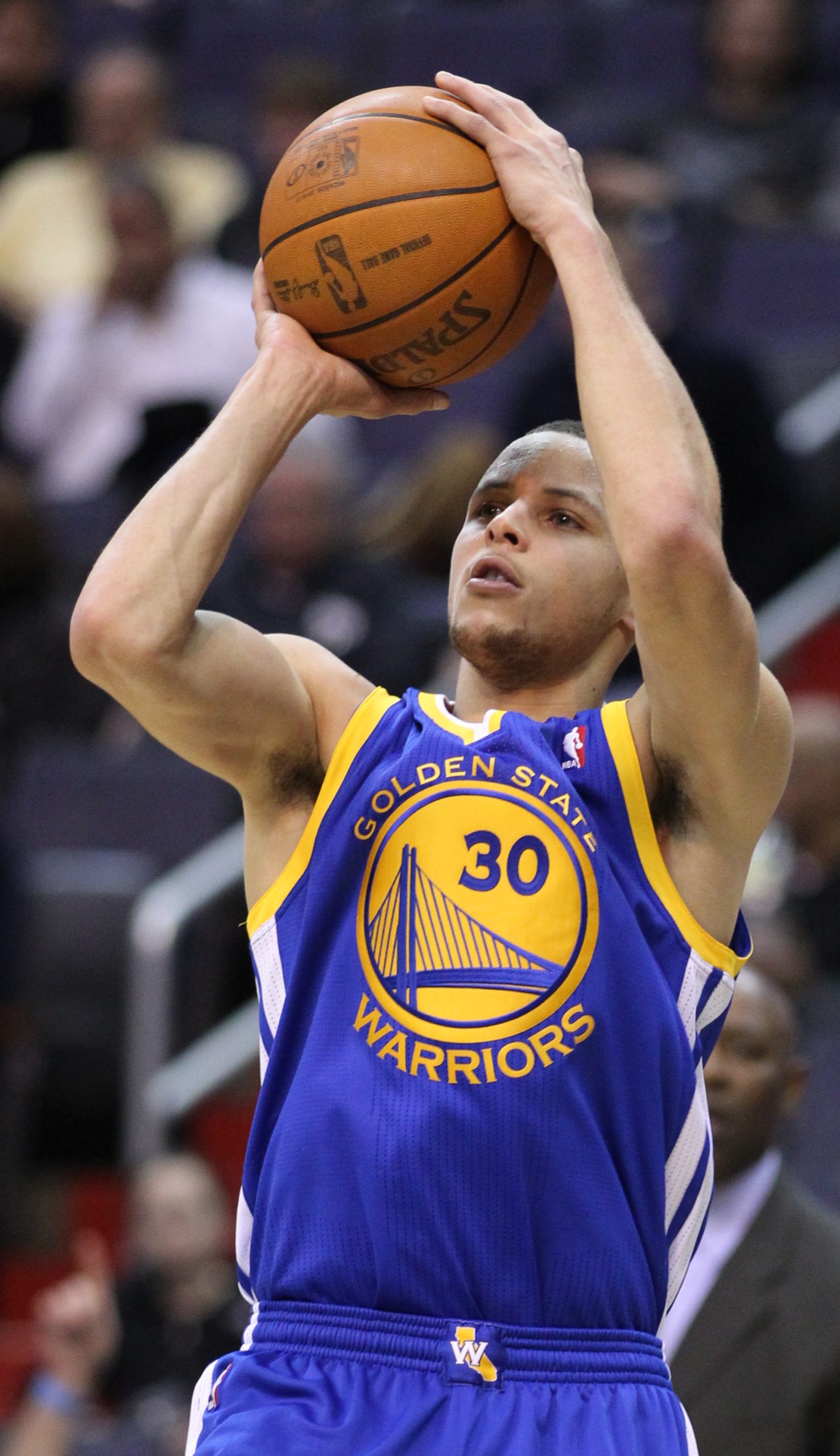
That is the most important development for Warriors fans. Not because an extension is done, or because every roster question has been answered, but because the franchise’s defining player is still being linked to a continued partnership rather than a standoff.
There had been recent chatter that Curry could use his contract uncertainty as leverage to push Golden State into building a stronger team around him. That idea was not irrational. Superstars at the end of championship windows often use their leverage, and Curry’s leverage is obvious.
Still, the latest reporting points to a softer posture: Curry may want the Warriors to improve, but he is not currently being described as someone trying to force his way out.
The contract clock is real
Curry can become a free agent in 2027, according to the same report. He is entering the final year of his current deal next season at $62.6 million and becomes eligible for a new extension in August.
Those details matter because the Warriors cannot treat Curry’s future as a distant abstraction. The calendar is now part of the story. Once a player of Curry’s stature becomes extension-eligible, every roster move gets interpreted through that lens.
Golden State has to decide what kind of promise it can credibly make. An extension would signal continuity and belief. Waiting could preserve flexibility, but it might also invite more speculation about whether the franchise can give Curry a realistic path back to contention.
Curry’s side has its own calculation. A new deal would likely keep him tied to the franchise that drafted him and built a dynasty around him. It would also mean trusting that the Warriors can make the final phase of his prime feel meaningful, not ceremonial.
Why this is not automatic
On sentiment alone, Curry staying with Golden State is the easiest call in the NBA. He is the face of the franchise, an all-time great and the central figure in the Warriors’ modern identity.
But NBA decisions at this level are rarely just sentimental. Curry is set to turn 39 next March, per the report, and Golden State has to evaluate what a major extension would mean for roster flexibility, tax pressure and the team’s ability to add help.
There is also the basketball reality. Curry averaged 26.6 points and 4.7 assists per game last season, according to Larry Brown Sports, production that still justifies elite treatment. Yet the same report noted he appeared in only 43 games because of a persistent knee issue.
That tension defines the Warriors’ problem. Curry remains good enough to build around, but the margin for error around him is thinner than it used to be.
Golden State needs more than loyalty
The Warriors have tried to keep the roster competitive around Curry. The Larry Brown Sports report noted unsuccessful pursuits of LeBron James, Giannis Antetokounmpo, Anthony Davis, Kawhi Leonard and others in recent seasons.
That list shows ambition, but it also underlines the frustration. Wanting another star and landing one are very different things. Golden State can sell history, culture and Curry’s gravity, but other teams have their own leverage and their own timelines.
The report also pointed to Jimmy Butler as the major star acquisition Golden State did manage to make, while noting that Butler tore his ACL 68 games into his Warriors tenure. If that is the backdrop, Curry’s willingness to talk extension is reassuring, but it does not solve the roster math.
The Warriors still need answers in several places:
- Can they add another reliable high-end creator?
- Can they manage Curry’s workload without sacrificing seeding?
- Can they build enough defense around aging stars?
- Can they offer Curry a plan that feels like contention rather than nostalgia?
A long-stated preference
Curry’s apparent openness to staying is not coming from nowhere. The Associated Press reported in December 2020 that Curry wanted to remain with the Warriors for the rest of his career and had said he was fully committed while extension conversations were beginning at that time.
That history matters because Curry has never cultivated the image of a wandering superstar. His legacy is deeply tied to Golden State: the championships, the shooting revolution, the Chase Center era and the rare bond between player, franchise and fan base.
There is a counterpoint, though. A player can want to stay and still demand competence. Curry’s loyalty does not require him to ignore the competitive clock, especially when his individual play has remained strong enough to justify urgency from the front office.
That is why the extension conversation is not just about whether Curry loves the Warriors. It is about whether the Warriors can still match the seriousness of his remaining championship years.
The next move belongs to both
For now, the reported mutual interest gives Golden State breathing room. It lowers the temperature around Curry’s future and pushes back against the idea that a breakup is already forming.
But breathing room is not the same as resolution. Curry becoming extension-eligible in August gives both sides a natural point to test the relationship in practical terms: years, money, role, health expectations and the roster plan around him.
The Warriors have the emotional advantage because Curry’s history with the franchise is unmatched. They also have the burden that comes with it. If they want him to finish his career in Golden State, they need to make the basketball case as strongly as the legacy case.
The clean takeaway is this: Curry’s stance appears favorable to staying, but the Warriors still have work to do. Mutual interest can open the door to an extension. A credible plan is what keeps it open.






Leave a Reply