
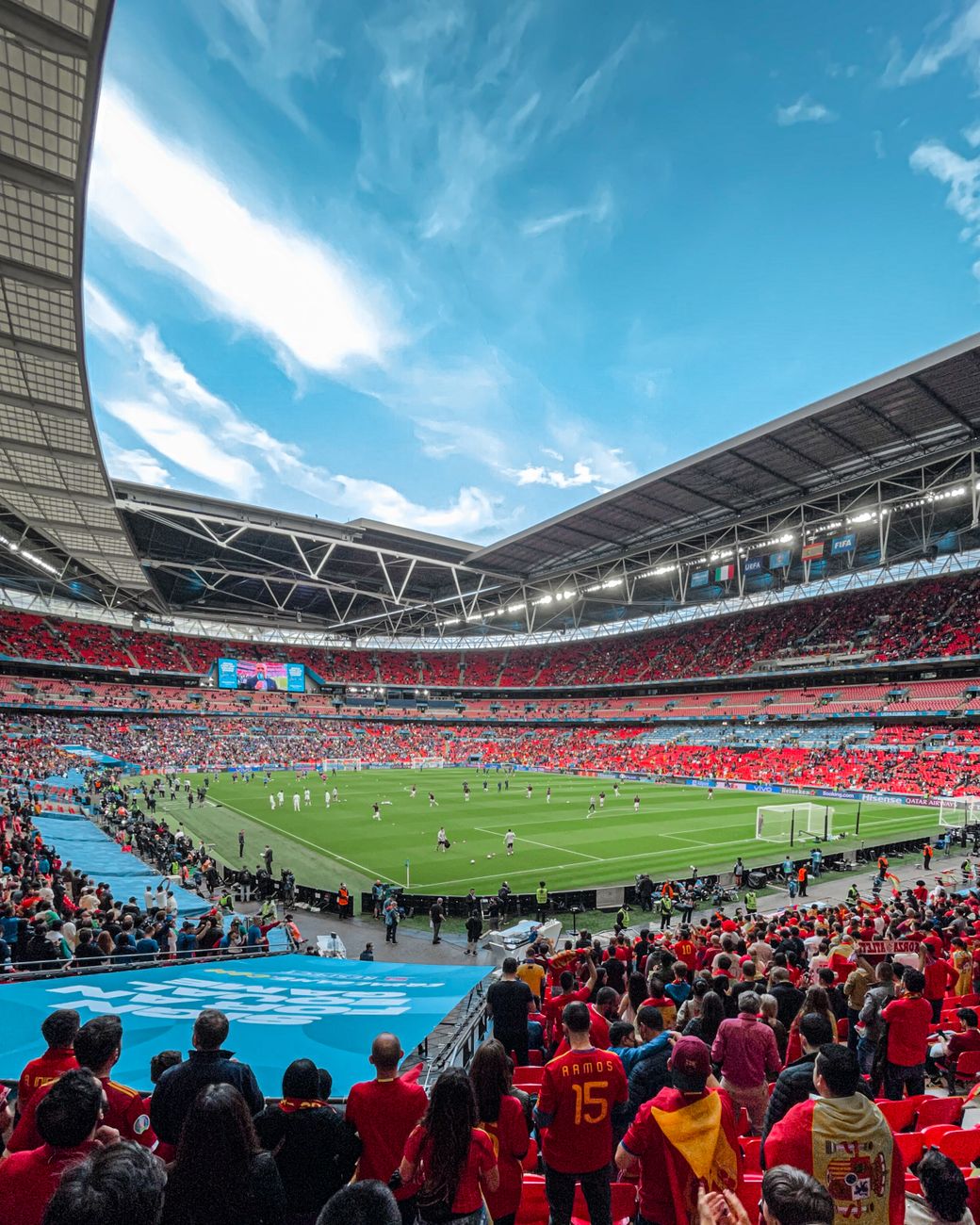
The defeat landed at the intersection of history, pressure and home expectation. That is why the reaction in Mexico has sounded bigger than a single knockout result.
Mexico did not just lose a World Cup knockout match to England. It lost one at the Azteca, in front of a home crowd, with a long-awaited quarter-final place in sight.
That is why the word landing across coverage of the defeat carries so much sting: Aztecazo. It is a label built for shock, for embarrassment, and for the kind of sporting wound that feels too large to be contained by the final whistle.
A defeat with a loaded name
The Independent’s roundup of the reaction captured the tone in Mexico after England’s last-16 win, with Mexican media treating the result as one of the most painful versions of an “Aztecazo.” The word itself points directly to the venue: the Azteca Stadium, Mexico’s most iconic football stage.
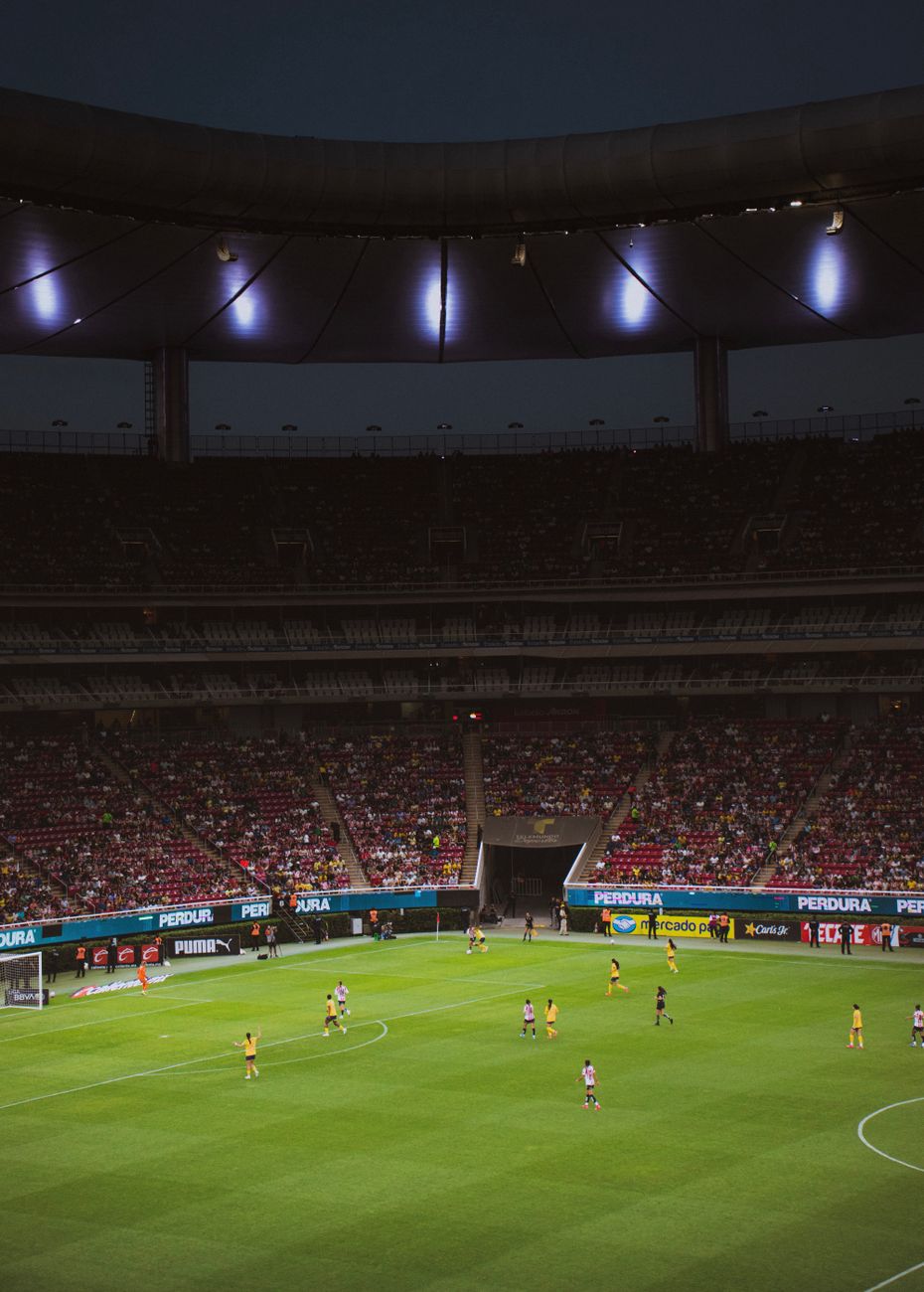
That matters. A normal away defeat can be explained away by distance, conditions, travel or hostile territory. This was the opposite. Mexico had the crowd, the setting and the symbolism. England had to walk into all of that and still found a way through.
The emotional charge was clear before kickoff. Reuters reported ahead of the match that the atmosphere around Mexico versus England was already sizzling, with Mexico seeking a first World Cup quarter-final in 40 years and England revisiting the shadow of 1986. Those two facts alone turned the game into more than a last-16 tie.
For Mexico, the match offered a chance to push through a barrier that has defined generations. For England, it was another chapter in a rivalry haunted by one of the sport’s most famous World Cup meetings.
The Azteca was supposed to matter
The Azteca is not just a stadium on the fixture list. It is a place where football memory feels unusually heavy. Any opponent there is expected to deal with altitude, noise, history and a partisan crowd that can make routine moments feel unstable.
Reuters reported before the game that England manager Thomas Tuchel relished the iconic nature of the fixture and that England would not use altitude or the crowd as excuses. That stance now reads as important context. England did not arrive pretending the setting was ordinary; it simply refused to let the setting become a ready-made explanation.
That is part of why the reaction in Mexico has been so sharp. The home advantage was real, but it was not enough. The mythology of the venue, the weight of the occasion and the opponent’s composure combined to make the result feel especially brutal.
When a national team loses at home in a World Cup knockout match, the question is rarely just who played better. It becomes a referendum on preparation, nerve, coaching choices and whether the team truly understood the moment.
Weather added to the tension
The match also carried an unusual pregame wrinkle. Reuters reported that the Mexico versus England last-16 match was delayed by one hour because of adverse weather conditions around the Azteca Stadium.
That delay followed earlier concern about storms. Reuters also reported that officials had considered moving the match earlier because of severe weather risk, before FIFA stuck to the schedule. In a knockout game already heavy with emotion, the delay only stretched the tension.
For supporters, a delay can feel like torture. The buildup gets longer, nerves sharpen, and every tactical debate has more time to ferment. For players, it can disrupt rhythms that are usually managed down to the minute.
None of that explains the result by itself. But it helps explain the atmosphere around it. This was not a clean, routine matchday. It was a high-stakes national event slowed by weather, loaded with history, then decided in a way that left Mexico absorbing another major tournament blow.
England handled the assignment
England’s win also deserves to be framed as more than Mexico’s collapse. Reuters reported that defender Jarell Quansah started at right back for England in the last-16 clash, a notable selection in a match where composure in a hostile setting was always going to matter.
The broader English task was clear: survive the early emotion, avoid being swallowed by the venue, and trust the plan. Tuchel’s pregame message about not using conditions as excuses fit that challenge. England treated the Azteca as a factor, not a fate.
That distinction can separate knockout teams. The best sides do not need a perfect environment. They adjust to the pitch, the crowd, the delay and the pressure. Then they leave the other team to answer the harder questions.
For England, the victory will be folded into a tournament narrative about resilience and control. For Mexico, it has immediately become something more painful: a home failure with a name that sounds built to last.
Why Mexican media went there
Sports media reaches for shorthand when a result feels bigger than its scoreline. “Aztecazo” does that job. It tells readers this was not merely a defeat at the Azteca. It was a blow delivered to the idea of the Azteca as protection.
The label also captures the gap between expectation and outcome. Mexico were not chasing a modest milestone. As Reuters noted, the team was trying to reach a first quarter-final in 40 years. That makes every missed chance, every tactical complaint and every moment of hesitation feel historic.
There is also the England factor. The fixture inevitably draws the mind back to 1986, when Mexico hosted one of football’s most enduring World Cup chapters. That history does not decide modern matches, but it changes how they are watched and remembered.
So the Mexican media reaction is not simply anger. It is grief with a headline. It is frustration that the stage was set for release and instead produced another scar.
The scar will outlast the match
The hard part for Mexico is that an “Aztecazo” is not easily filed away. It invites replay, blame and comparison. It turns a knockout loss into a reference point for future teams, coaches and federation decisions.
The immediate questions will be familiar: whether Mexico were bold enough, whether the tactical plan matched the occasion, whether the players managed the pressure, and why a home World Cup opportunity slipped away. Those debates will not end quickly because the stakes were too large.
England move on with a statement win in one of football’s most intimidating venues. Mexico are left with the deeper reckoning: losing at home, in a World Cup, with history calling, and hearing that defeat named after the very stadium that was supposed to help deliver the breakthrough.
That is the force of the word now attached to the match. It is short, sharp and unforgiving. For Mexico, the pain is not only that England won. It is that England won there.










Leave a Reply