
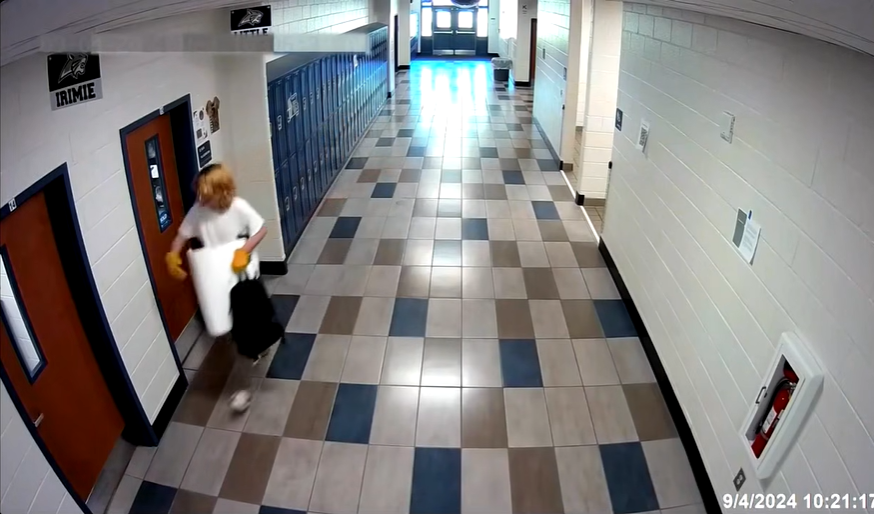
A defendant’s silence can feel jarring in a case built around public grief, but it is also a familiar part of sentencing procedure. The court can still weigh the record, victim impact statements and legal limits before imposing punishment.
Colt Gray declined to address the court before sentencing in the Georgia school shooting case, CNN reported, placing the Georgia school shooter’s silence at the center of a hearing meant to determine punishment. The moment matters now because sentencing is when courts often hear not only from lawyers, but from victims, families and defendants themselves.
Gray’s choice not to speak does not stop the sentencing phase or erase the court’s authority. It does, however, leave a visible gap in a proceeding where people often look for accountability, remorse, explanation or at least a final statement on the record.
A silent moment before sentence
Sentencing hearings carry a different weight from trial proceedings. By this stage, the central legal question is no longer only what happened, but what punishment the law permits and what the judge should impose within that framework.
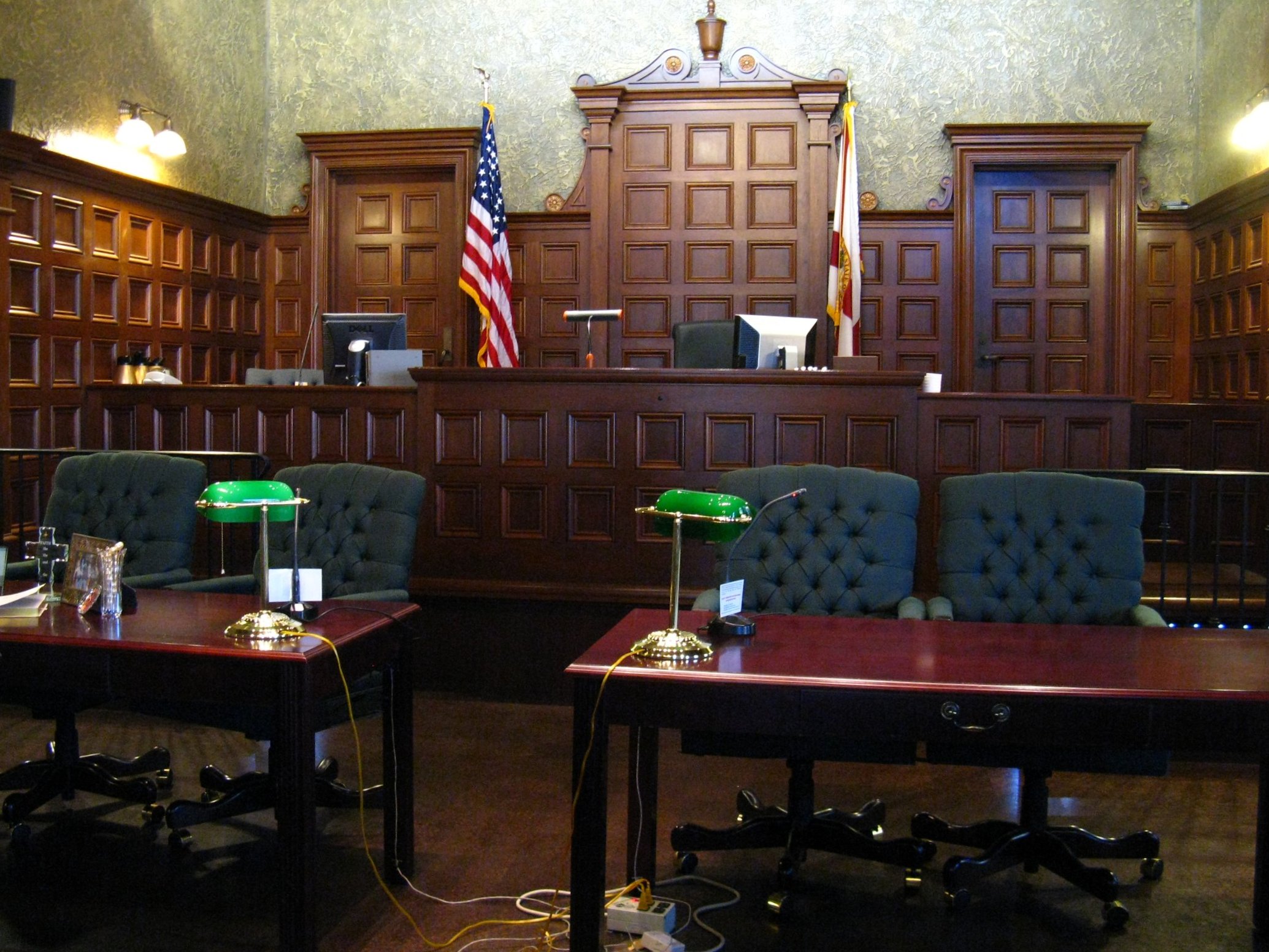
That is why a defendant’s opportunity to address the court can become one of the most closely watched parts of the hearing. It is often the one moment when the person being sentenced can speak directly, without the filter of legal argument, to the judge and to those affected.
In Gray’s case, according to CNN’s report, he declined that opportunity. The available source material does not include a statement from him because there was none, and it does not provide a transcript of the full exchange.
That absence is the point. In a case tied to a Georgia school shooting, silence can land loudly, especially for families and survivors waiting to hear whether the defendant will acknowledge the harm in his own words.
What silence legally means
A defendant’s refusal to speak at sentencing is not unusual, and it is not the same thing as defiance in the legal sense. Courts routinely allow defendants to remain silent even when they are offered a chance to make a statement.
That choice can be made for many reasons. Defense attorneys may worry that an unscripted statement could hurt a client in future proceedings, appeals or related litigation. A defendant may also be unwilling, unable or unprepared to speak in a way that satisfies the court or the victims’ families.
Silence does not undo the case. It does not prevent the judge from considering evidence, prior findings, plea terms if any, legal filings, victim impact statements and arguments from the prosecution and defense.
It also should not be treated as a clean window into a defendant’s mind. To some observers, silence may look like a lack of remorse. To others, it may look like legal caution. The court must sentence based on the record and the law, not only on the emotional force of a non-statement.
Why the courtroom moment matters
The public often expects sentencing to deliver something trials rarely can: a moral accounting. In school shooting cases, that expectation can be even stronger because the harm reaches beyond the immediate victims into classrooms, families and communities.
Victim impact statements, when allowed, give survivors and relatives a formal way to describe loss, fear and lasting consequences. Those statements can become the clearest human record of what the crime did, even if they do not control the sentence by themselves.
A defendant’s statement can add another layer. Sometimes it includes an apology. Sometimes it offers an explanation. Sometimes it deepens anger because it sounds evasive or self-serving.
Gray’s silence avoided the risk of saying the wrong thing, but it also avoided the possibility of saying anything meaningful. That is why the decision is likely to be read differently by different people in and outside the courtroom.
The Georgia case in context
The CNN-reported development comes in the sentencing phase of the Georgia school shooting case, a stage that typically follows a conviction, plea or other legal resolution that allows punishment to be imposed. The extracted source brief confirms the core event: Gray declined to address the court ahead of sentencing.
Because the available research does not include the full charging history, plea details, sentencing range or a court transcript, those specifics should not be filled in from assumption. In a high-profile criminal case, precision matters more than speed.
What can be said with confidence is that school shooting cases tend to draw intense public attention because they combine criminal law, public safety, trauma and questions about prevention. The Associated Press, in broader coverage of school shootings, has noted how such attacks have fueled national debates over gun laws, school security and the emotional burden on students who grow up practicing active-shooter drills.
That broader context does not decide Gray’s sentence. It does explain why even a brief courtroom choice — speaking or not speaking — can become a news event.
Competing views of Gray’s silence
For families and survivors, a defendant’s silence can feel like one more denial of accountability. A sentencing hearing may be the last formal moment when they can hear from the person responsible before the punishment is imposed.
For defense lawyers, silence can be a disciplined strategy. Anything said in court can be scrutinized, quoted, challenged or later used in related proceedings. A poorly delivered apology can make things worse.
For judges, the silence is only one part of a larger record. A court may consider whether a defendant accepted responsibility where the law allows that factor, but it must also weigh the facts of the case, statutory requirements and arguments from both sides.
That tension is why allocution — the formal chance to address the court — is so powerful. It is legally optional in practice for a defendant who chooses not to use it, but emotionally significant for everyone listening.
What remains unclear
The next key question is the sentence itself and the judge’s reasoning. The source brief does not provide the sentence, the exact timing of the final ruling, or whether additional hearings, appeals or related cases remain active.
It is also unclear from the available material whether the defense explained Gray’s decision not to speak, whether prosecutors addressed it, or whether the judge referenced it before sentencing.
Those gaps matter. In legal coverage, the difference between what is known, what is alleged and what is inferred is not cosmetic. It is the line between reporting and speculation.
The firm takeaway is narrower but important: Colt Gray declined to address the court before sentencing in the Georgia school shooting case, and that silence now becomes part of the public record. It does not end the court’s work. It leaves the final judgment to the sentence imposed, the reasons given and the record the court chooses to make.








Leave a Reply