

The latest strikes underscore how drones are turning rear areas, supply routes and military sites into daily targets. Both sides are now fighting a war that reaches far past the trenches.
A reported drone strike on a Russian training ground after a blitz on Kyiv is more than another entry in the war’s daily ledger. It fits a larger pattern: Ukraine is trying to make Russia’s rear areas feel less like sanctuary and more like part of the battlefield.
The details around the training-ground strike remain limited, and battlefield claims from both sides are often difficult to independently verify. But the broader trend is clear from recent official accounts and reporting: drones are now central to how both Ukraine and Russia apply pressure far from the front line.
A strike beyond the front
The latest report, carried by The Independent, said drones hit a Russian training ground after an attack on Kyiv. That sequence matters because it captures the rhythm of the war in 2026: Russian missiles and drones pound Ukrainian cities, while Ukraine looks for ways to answer by striking military, logistics and energy targets deep inside Russian-held or Russian territory.
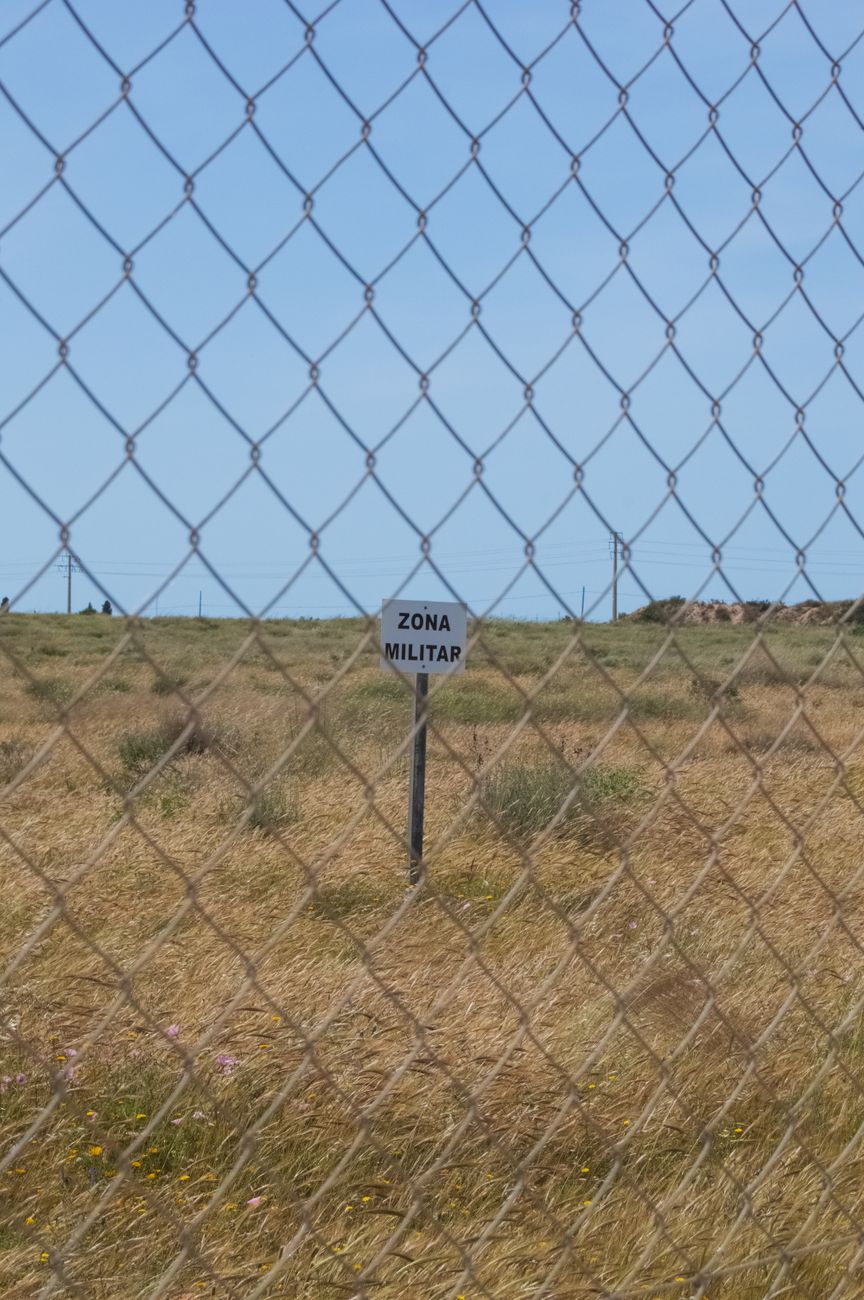
Training grounds are not symbolic targets in a long war of attrition. They are where troops are prepared, units are organized and equipment can be staged before moving toward the front. Even when a strike causes limited visible damage, the possibility that such sites can be reached forces commanders to disperse personnel, harden facilities and spend more resources on air defense.
That is the pressure Ukraine appears to be trying to create. It is not just about one explosion. It is about making Russia defend more places, more often, at greater cost.
Moscow says hundreds were intercepted
Recent reporting from NPR, citing Russia’s Defense Ministry, described one of Ukraine’s largest drone attacks of the full-scale war. Moscow said its air defenses intercepted 660 Ukrainian drones during a nighttime assault across a dozen Russian regions, Russian-held Crimea and nearby seas.
That figure could not be independently confirmed, and Russia’s Defense Ministry typically does not provide a full account of what was targeted or damaged. Still, the number itself points to the scale of the fight. Ukraine has moved from sporadic long-range strikes to mass drone operations designed to stress Russian detection systems and air defenses.
NPR reported that Ukraine’s Security Service said it used drones to strike Russian navy ships and air defense radars in Kerch, a key port city in Crimea. The agency claimed the targets included two reconnaissance and minelaying ships, the Volga and the Vyatka, as well as the cargo-passenger ferry Petropavlovsk. Those claims also could not be independently verified.
The target list is revealing. Ships, radar systems, ports, plants, fuel infrastructure and training areas all support Russia’s war machine in different ways. Ukraine’s drone campaign is aimed at that support network, not only at troops in trenches.
Kyiv wants leverage, not just retaliation
Ukraine’s long-range drone strategy is often described as retaliation for Russian attacks on civilians. That is part of the public message, especially after strikes on Kyiv, Kharkiv, Odesa, Zaporizhzhia and other cities. But the military logic is broader.
Ukraine is trying to offset Russia’s advantages in manpower, artillery and missile stockpiles by attacking the systems that keep Russian forces supplied and organized. Oil facilities, rail links, air defense assets and naval infrastructure are harder to replace than a single front-line vehicle.
President Volodymyr Zelenskyy recently wrote on X that he had ordered a “40-day influence operation,” language widely understood as a signal that Ukraine would intensify pressure on Russia. NPR reported that the statement came after U.S.-led peace efforts had not produced a breakthrough and as Kyiv sought more foreign military backing.
The word “influence” is doing a lot of work. These strikes are meant to damage targets, but they are also meant to affect calculations in Moscow, in Western capitals and among Russian commanders who must decide where to place scarce defenses.
Russia is still hitting cities
The drone war does not mean the ground war has faded, and it does not mean Ukrainian civilians are safer. Russia continues to launch drones, missiles and glide bombs at Ukrainian regions, with deadly results.
In the same NPR account, Ukrainian officials said Russian attacks over a 24-hour period killed three civilians and wounded 29. In the Kharkiv region, regional head Oleh Syniehubov said two people were killed and seven wounded as Russian forces struck Kharkiv and 16 other settlements. Emergency services also reported a Russian drone attack on downtown Izium that killed a woman and wounded three people.
Ukraine’s air force said its defenses stopped 174 of 189 Russian drones overnight, according to NPR. But it also said four of seven Iskander-M ballistic missiles got through and hit various locations. That mix is a grim reminder of the defensive burden Ukraine faces: even high interception rates can leave devastation when a few missiles or drones break through.
For Kyiv, the political and military pressure is constant. Leaders must protect cities, hold front lines, preserve Western support and show Russia that attacks on Ukraine will carry costs at home.
The training-ground signal
A strike on a training ground, if confirmed in detail, would sit inside that larger campaign of disruption. It would suggest Ukraine is not only targeting fuel and hardware but also the process by which Russia regenerates combat power.
That matters because Russia’s war effort depends on a pipeline: recruits, training, transport, equipment, command posts and supply routes. Drones give Ukraine a way to threaten multiple points along that pipeline without sending aircraft into heavily defended skies.
There are limits. Drones can be shot down, jammed or diverted. Damage assessments are often murky. A large number of launched drones does not automatically translate into major strategic success. Russia can also adapt by spreading out forces, moving assets, building shelters and improving layered defenses.
But adaptation is costly. Every air defense unit guarding a rear training site is one less asset available elsewhere. Every depot moved farther back creates longer supply routes. Every night of alerts forces Russia to spend attention and money defending against systems that are comparatively cheap to produce.
The war is widening in depth
The front line remains brutal and decisive, but the geography of the war keeps expanding. Rear areas, ports, refineries, airfields, radar sites and training grounds are increasingly part of the fight.
That shift does not guarantee a turning point for Ukraine. Russia still has depth, manpower and a large arsenal. It also continues to inflict heavy damage on Ukrainian cities and infrastructure. But Ukraine’s drone campaign is one of the few tools Kyiv has to reach into that depth and impose costs without matching Russia missile for missile.
The next thing to watch is not only whether another specific strike is confirmed. It is whether the pace stays high, whether Ukraine can keep producing enough drones, and whether Russian defenses begin to show strain across too many targets at once.
For now, the reported hit on a Russian training ground sends a simple message: in this phase of the war, distance offers less protection than it used to.











Leave a Reply