

The premise is provocative, but the point is less shock than satire: a fictional America unable to process even a natural death without turning it into a loyalty test.
A new novel imagines Donald Trump’s death: Kurt Andersen wrote the book as a dark political fiction set in 2035, when Trump dies of natural causes at Trump Tower on 18 August and Trump’s supporters riot after his fictional death. The Daily Beast’s horror show framing, echoed in coverage of the novel, points to the book’s bleak depiction of Trump’s death and its aftermath, not a real event or threat.
The hook is deliberately uncomfortable. But the more revealing story is what Andersen appears to be testing: whether America’s Trump era can even be imagined as ending without conspiracy, spectacle and a new round of political combat.
The fictional death is the trigger
In the premise described in coverage of Andersen’s new novel, Trump’s death is not written as an assassination or a heroic martyrdom. It is, crucially, a death by natural causes. That distinction matters because the plot is not built around the act of dying; it is built around the refusal to accept it.
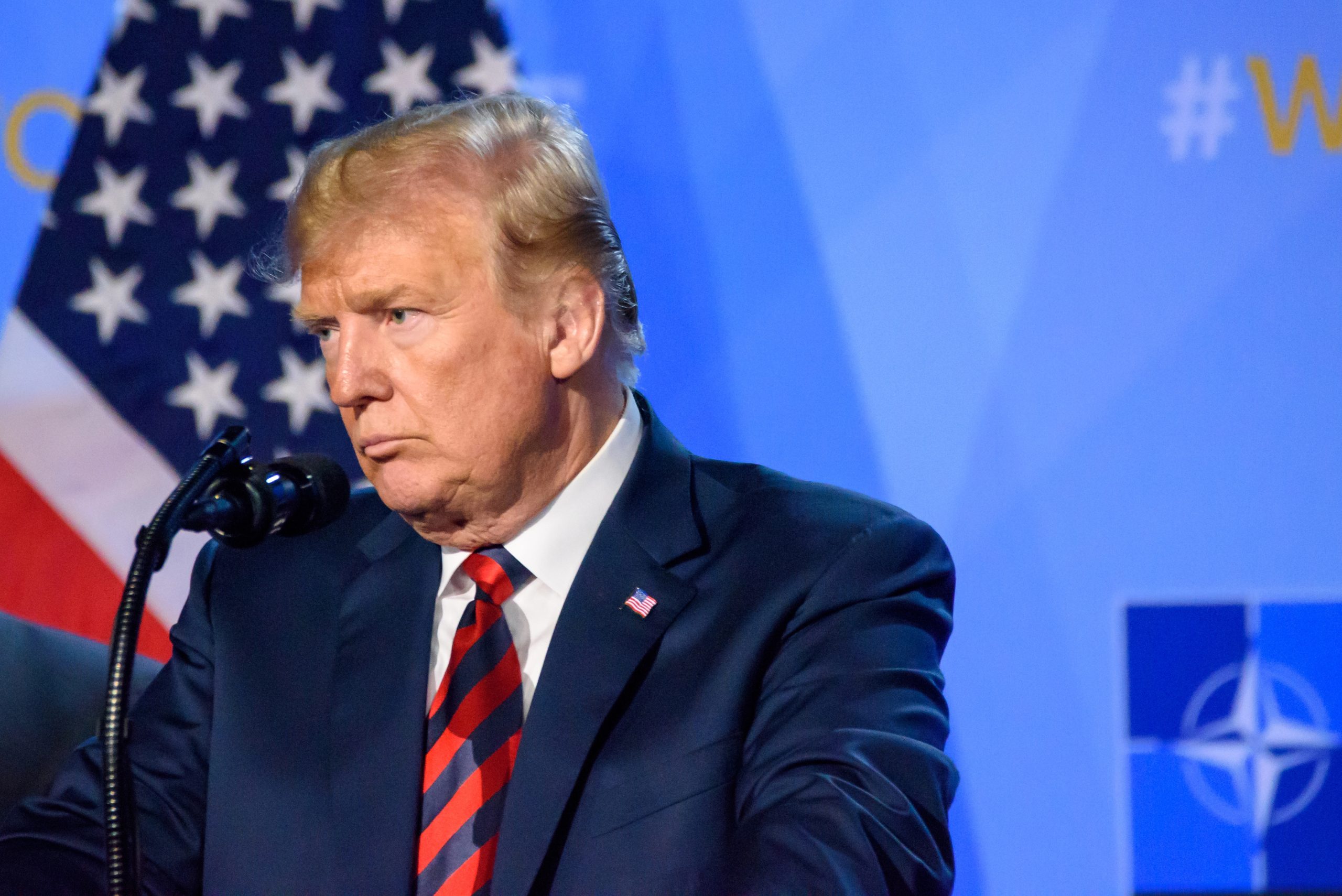
The reported scenario places Trump at Trump Tower in 2035, with 18 August serving as the date around which the fictional crisis forms. From there, the imagined America of the book turns a private biological fact into a public political rupture.
Trump’s supporters, unable or unwilling to process the death as ordinary, riot after his fictional death. The setup gives Andersen a clean satirical mechanism: take a movement already shaped by claims of betrayal, hidden enemies and stolen outcomes, then ask what happens when even mortality becomes suspect.
That is why the horror show phrase lands differently from a simple teaser. It does not only describe the death. It describes the social and political aftershock around it.
Why Andersen chose Trump
Kurt Andersen is not a random novelist grabbing a headline. He has spent much of his career writing about American fantasy, media culture and self-invention, including in nonfiction work such as Fantasyland. Trump, in that sense, is not just a character. He is a symbol of the blurred line between entertainment, politics and belief.
That makes a Trump-centered future novel an obvious fit for Andersen’s long-running interest in the stories Americans tell themselves. The book’s premise uses a familiar public figure to make a broader point about national imagination: when political identity becomes total, facts alone may not settle anything.
There is also an unavoidable media layer. Trump has been a political leader, celebrity, brand, television performer and constant news engine. A novel that imagines his death is therefore not only imagining the end of a person’s life in fiction; it is imagining what happens when a country loses one of its most powerful attention machines.
That is a sharper question than the headline shock suggests. Who benefits when politics stays locked in performance mode? Who is left holding the story once the central performer exits?
The premise carries real risk
Writing fiction about the death of a living political figure is always combustible. Even when the death is natural and clearly fictional, readers bring real-world anger, fear and loyalty into the room. Some will read the premise as satire. Others may see it as tasteless or inflammatory.
That tension is part of why the story is drawing attention. Trump remains a uniquely polarizing figure, and any cultural work that imagines his absence can be interpreted through partisan suspicion before anyone gets to literary intent.
A fair reading has to keep two facts in view at once. First, fiction has long used imagined deaths of rulers, presidents and public figures to examine power. Second, the current political climate is volatile enough that even fictional scenarios can be clipped, reframed and circulated as if they were declarations.
Andersen’s reported choice to make the death natural does some important work. It shifts the danger away from an act of violence and toward the reaction: conspiracy, denial, escalation and the public appetite for crisis.
Riots make the satire sharper
The reported riot by Trump’s supporters is the engine of the book’s political argument. A calm national reckoning would make for a very different novel. Andersen’s darker version imagines a movement so invested in Trump that his death cannot simply be accepted as death.
That is where the book appears to connect with real anxieties about misinformation and political identity. The central question is not whether everyone loved or hated Trump. It is whether any shared reality remains strong enough to absorb a major event without instantly splitting into rival narratives.
For supporters, the fictional riot may read as an unfair caricature. For critics, it may read as a plausible extension of years of conspiracy thinking and grievance politics. The novel’s power, and its potential controversy, sits in that gap.
Political fiction often works by exaggerating a tendency until it becomes impossible to ignore. Here, the tendency is the conversion of every event into proof of a preexisting story.
A novel, not a prediction
The safest way to understand Andersen’s premise is not as prophecy. It is a stress test. By setting the story in 2035, the novel gives itself enough distance to imagine consequences without pretending to be tomorrow’s news.
That future date also matters because it suggests Trump’s influence has not simply faded with time. In the fictional world described, the Trump phenomenon remains powerful enough that his death at Trump Tower can produce mass unrest years from now.
Readers should be careful with the distinction. A novel can use a real person’s name and still operate in the realm of invention. It can also be politically pointed without being a literal wish, plan or forecast.
The public reaction may depend less on the book’s actual pages than on how its premise travels online. A compact phrase like Trump’s death imagined is built for outrage. The fuller premise is more complicated and more unsettling.
What the backlash may reveal
The unanswered question is not whether the premise will offend people. It almost certainly will. The more useful question is what kind of offense the novel exposes.
If critics focus only on the idea that a book imagines Trump dying, they may miss Andersen’s apparent target: the machinery that turns shock into belief and belief into action. If defenders treat the controversy as proof that the novel is automatically important, they may miss the legitimate discomfort around fictionalizing the death of a living political figure.
That push and pull is likely to define the conversation around the book. Its subject is Trump, but its real terrain is the country around him: the supporters who refuse closure, the media that rewards provocation, and the readers asked to separate satire from celebration.
The clean takeaway is that Andersen’s dark new novel is not just a story about Donald Trump dying in 2035. It is a story about whether American politics, as imagined through Trump’s afterlife, can survive the loss of its central spectacle without creating another one.







Leave a Reply