

A string of public clashes, leaked messages and ideological fights has pushed Europe toward a harder conclusion: even if the alliance survives, the old assumptions may not.
The transatlantic alliance is not ending with one speech, one tariff threat or one leaked group chat. It is fraying in a quieter and more consequential way: Europe is starting to price in the possibility that Washington cannot be counted on.
That is the sharper meaning behind renewed attention to reports of a rupture between Europe and America. The fight is not only about NATO spending or trade deficits. It is about whether trust, once broken, can be rebuilt.
The rupture is about reliability
For decades, Europe and the United States argued like family and still assumed the family business would continue. They fought over Iraq, energy, nuclear weapons, data privacy, farm subsidies and defense spending. The assumption underneath was that the Atlantic alliance remained the organizing fact of Western security.
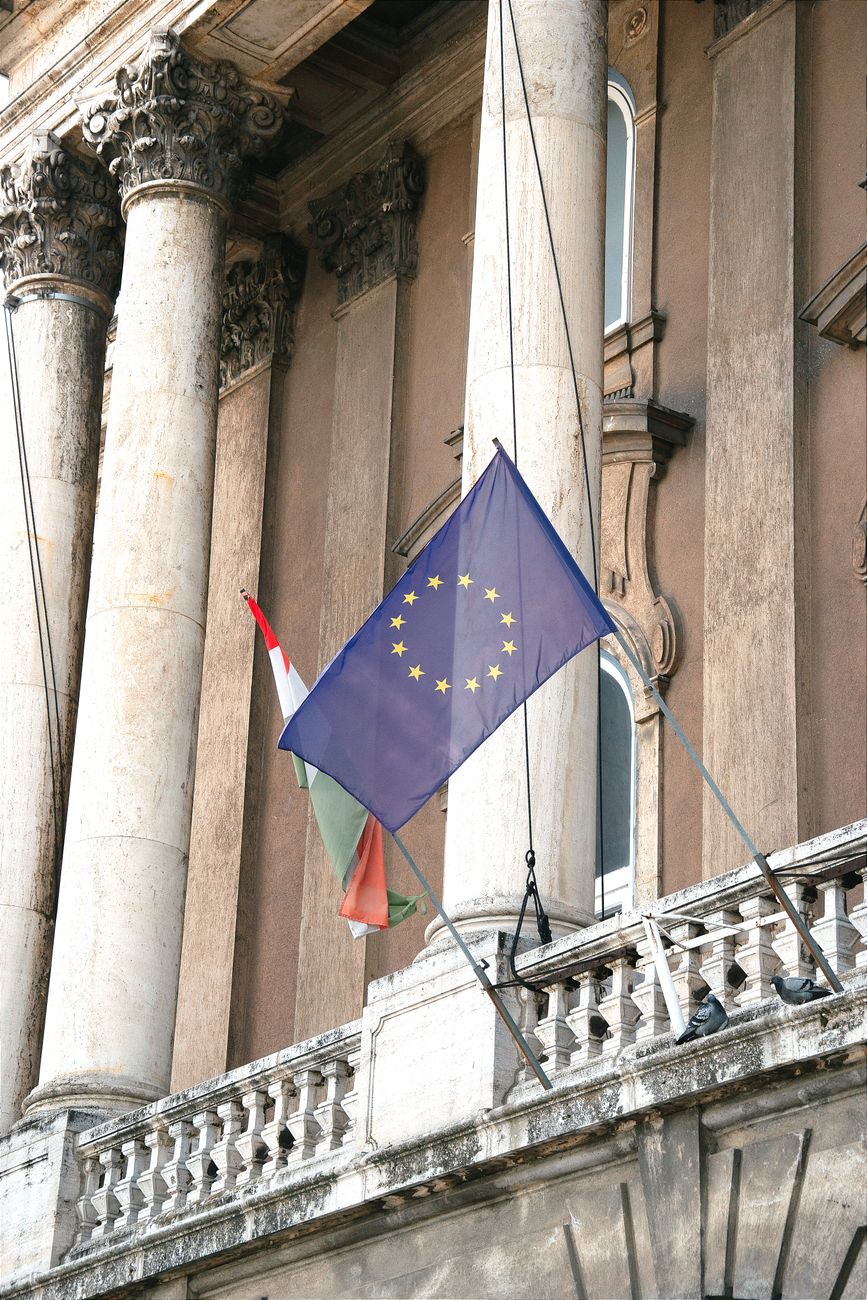
That assumption is now under strain. Courthouse News, citing several foreign-policy experts, described U.S.-EU relations as being at a new low. Brigid Laffan, an emeritus professor of political science at the European University Institute, called the current deterioration worse than any transatlantic hiccup since World War II.
Manlio Graziano, a geopolitics professor at Sciences Po and Sorbonne University, was more careful with the word rupture but just as blunt about the direction. He said the conditions for a rupture are present and argued that the United States has lost credibility with Europeans in a way that will not simply reset with a future election.
That is the key point. Europe’s problem is not just one American administration. It is the fear that U.S. policy can swing so violently every four years that no European government can safely build its security, trade or Ukraine strategy around American continuity.
A private chat exposed the contempt
The emotional temperature rose after Signal messages involving senior U.S. officials became public when Jeffrey Goldberg, editor in chief of The Atlantic, was inadvertently included in a White House group chat about possible strikes on Houthi militants in Yemen, according to accounts of the episode.
The leaked discussion mattered because it appeared to show private frustration with Europe matching public rhetoric. Vice President JD Vance was quoted in the chat as saying he hated “bailing Europe out again.” Defense Secretary Pete Hegseth was quoted as agreeing with the “loathing” of European “free-loading” and calling it “pathetic.”
Those words landed hard because they came in a discussion about Red Sea shipping and security around the Suez Canal, a route vital to global trade. The messages also included assessments that European navies did not have the capability to respond to sophisticated Houthi missiles and drones at the same level as the United States.
For Washington, that may have been an argument about burden-sharing. For Europe, it was something more corrosive: a reminder that American power may still be indispensable, but American patience with allies is increasingly conditional.
Munich turned values into a fight
The split is not only strategic. It is ideological. Vance’s speech at the Munich Security Conference became a flashpoint because he accused European leaders of betraying democratic principles, including by limiting far-right parties and viewpoints.
He also criticized the annulment of Romania’s presidential election after allegations of Russian interference. The controversy around Romania had already put Europe’s anxiety about Moscow, disinformation and democratic resilience on display. Vance’s intervention made the argument feel less like a polite transatlantic disagreement and more like a U.S. challenge to how Europe defends its political system.
That is why European officials and analysts are watching not only what Washington says about NATO, but what it says about the European Union itself. Scott Lucas, a professor of international politics at University College Dublin, told Courthouse News that figures in the administration do not merely question the EU’s value but are actively trying to undermine Europe.
If Europeans conclude that the United States is sympathetic to forces that want to weaken the EU from within, the alliance becomes much harder to treat as a shared project. It becomes a transaction between governments with increasingly different ideas of democracy, sovereignty and power.
Old arguments now feel different
None of this means the old alliance was ever frictionless. France’s Charles de Gaulle pushed American troops off French soil in the 1960s. Anti-war protests across Europe often targeted the United States. Europeans protested U.S. nuclear deployments. Ronald Reagan criticized European energy ties with the Soviet Union. The Iraq War opened a bitter divide between Washington and several European capitals.
But those fights were mostly about policy. The current rift cuts deeper because it raises doubts about the durability of the American commitment itself. Europe can manage a difficult U.S. president. It is harder to manage the possibility that unpredictability has become a permanent feature of American politics.
That is why even a future pro-Europe administration may not fully repair the damage. European leaders could welcome warmer language from Washington while still assuming that another sharp reversal is always one election away.
Trust in international politics is not sentimental. It is operational. It determines where countries buy weapons, how they design energy systems, how they support Ukraine, how they negotiate trade and how much risk they are willing to take when a crisis hits.
Europe’s answer will be expensive
If Europe wants more independence from Washington, it will have to pay for it. That means higher defense spending, faster weapons production, stronger air and missile defenses, more naval capacity and a more serious European industrial base.
The embarrassing part for Europe is that some U.S. criticism is not invented. Many European governments did underinvest in defense for years while relying on American logistics, intelligence, air power and nuclear deterrence. The Signal discussion’s reported comments about European naval limitations were insulting, but they also pointed to a real capability gap.
The challenge is that closing that gap takes years. Defense factories cannot be summoned overnight. Ammunition stockpiles take time to rebuild. Military procurement across Europe is fragmented by national politics, local jobs and competing defense firms.
Europe also is not one political actor with one threat perception. Poland and the Baltic states view Russia with immediate urgency. France talks often about strategic autonomy. Germany is still trying to turn its promised security shift into sustained capacity. Hungary has repeatedly complicated EU unity. That makes a clean European break from America unlikely, even if the mood has changed.
The alliance may survive changed
The most likely outcome is not a dramatic divorce. NATO still matters. U.S. troops, intelligence and nuclear guarantees remain central to European defense. American and European economies are deeply linked. Diplomats, militaries and companies on both sides of the Atlantic will keep working together because the alternatives are messy and costly.
But survival is not the same as restoration. The old model rested on the belief that the United States would remain Europe’s ultimate backstop in a crisis. The emerging model is more guarded: cooperate when interests align, prepare for abandonment when they do not.
That shift will shape everything from Ukraine policy to trade negotiations. It will push European governments to spend more, hedge more and treat American promises as less permanent than they once seemed.
The alliance built after World War II may not be disappearing. But the bargain underneath it is being rewritten. Europe is learning that dependence on America now comes with a political risk premium, and that may be the hardest damage to undo.









Leave a Reply