
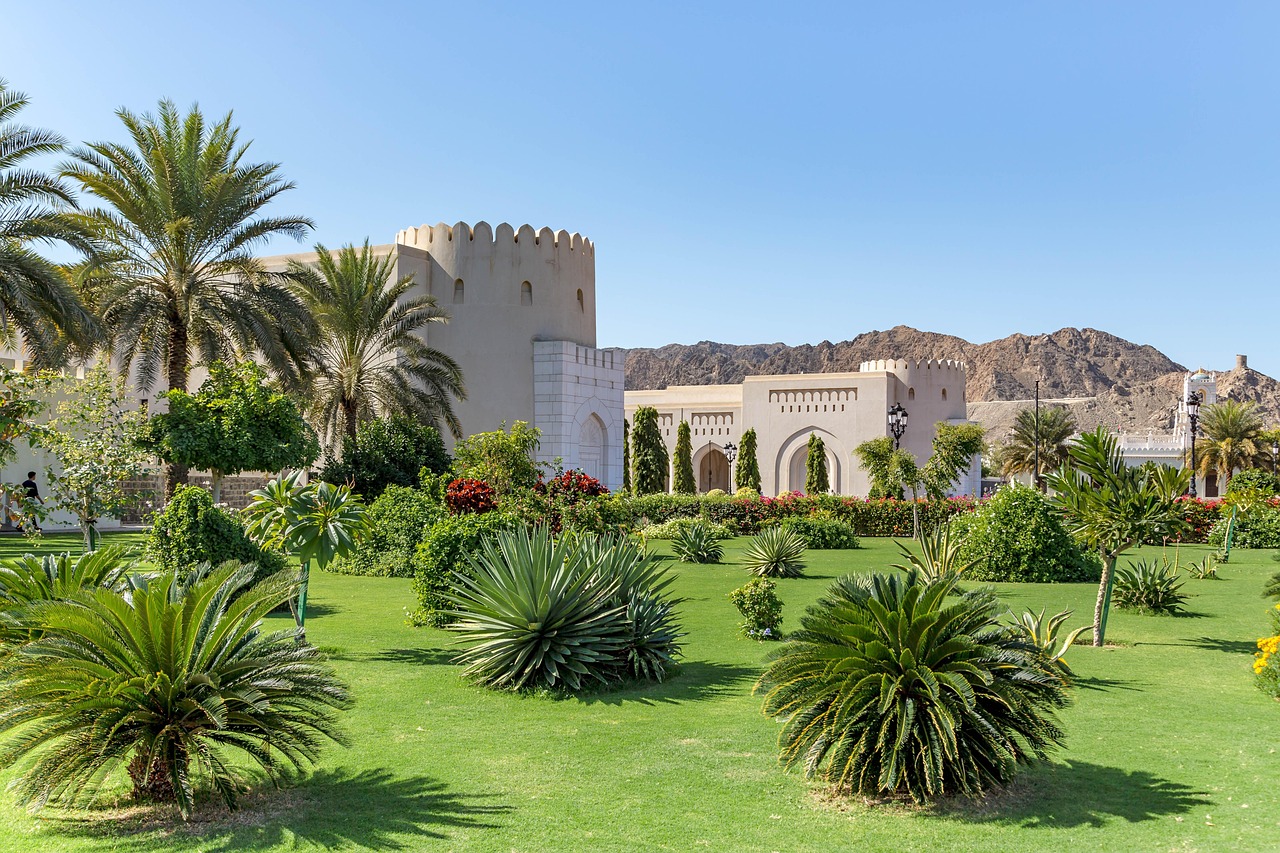
A narrow waterway that carries a huge share of the world’s oil is reopening after months of conflict. Now the argument is shifting from whether ships can pass to who gets to police the route.
The Strait of Hormuz is moving again, but the fight over who gets to keep it open is just beginning.
Oman has agreed to work with the U.K. and France to help ensure safe navigation in its territorial waters, according to a U.K. statement reported by CNBC. The move comes as oil shipments through the strategic Gulf passage have started climbing after a U.S.-Iran agreement last month to reopen the sea lane.
Europe moves toward Hormuz
British Prime Minister Keir Starmer and French President Emmanuel Macron said the U.K. and France are prepared to support freedom of navigation in the Strait of Hormuz through a broader multinational military effort.
In their joint statement, Starmer said the U.K. and France “stand ready to deploy the wider Multinational Military Mission” to support shipping through the strait, CNBC reported.
The message was blunt: this is not just Oman’s issue, or Iran’s, or America’s. The waterway is too important to global commerce for major powers to stay on the sidelines.
“The Strait of Hormuz is a vital artery for the global economy,” the statement said, according to CNBC. “Restoring safe transit for ships of all nations through the Strait is a matter of global concern.”
Why this waterway matters
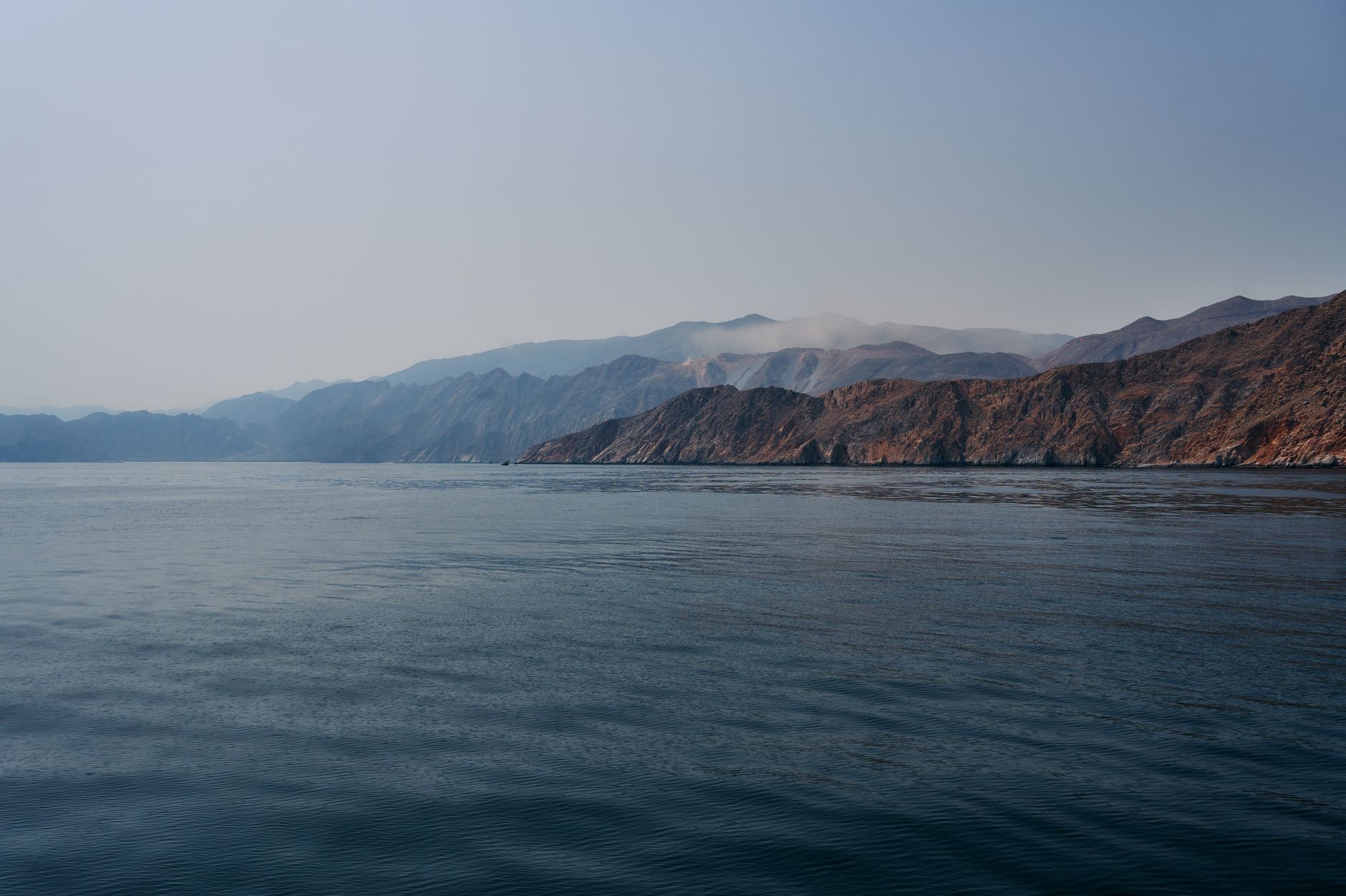
The Strait of Hormuz sits between Oman and Iran and links the Persian Gulf with the Gulf of Oman and the Arabian Sea. It is one of the world’s most sensitive maritime chokepoints because so much oil moves through such a narrow corridor.
CNBC reported that the route typically handles around 20% of the world’s oil. That means a disruption there can ripple quickly into shipping costs, energy prices and political pressure far beyond the Middle East.
The latest push follows a period of severe disruption. The U.S. and Iran signed a memorandum of understanding on June 17 to end nearly four months of war and reopen the Strait of Hormuz, CNBC reported. The agreement also created a 60-day window for negotiations toward a permanent peace deal.
Since then, oil flows have accelerated. CNBC cited data from trade intelligence firm Kpler showing Saudi Arabia shipped about 34 million barrels of oil through Hormuz after June 17. That was more than double the roughly 15 million barrels Saudi Arabia shipped through the strait from March 9 through June 17.
Iran sends a warning
Iran quickly pushed back against the U.K. and French move.
Kazem Gharibabadi, Iran’s deputy foreign minister, said in a post on X that the Strait of Hormuz is “not a theater for the military display of extra-regional powers,” according to CNBC.
He also warned that “the security of Hormuz lies with the coastal states” and said crisis-makers would be held accountable for the consequences of what he called adventurism.
That response gets to the heart of the dispute. Iran wants security in the strait framed as a matter for regional states. The U.K., France and their partners are framing it as a global shipping issue because the waterway carries cargo that underpins economies around the world.
France brings mine-hunting assets
France said it has already deployed mine countermeasures to the Middle East, including two mine-hunting ships, according to CNBC.
Macron said on X that the ships, supported by two frigates and a maritime patrol aircraft, are ready to contribute with partners to the full resumption of navigation and the safety of traffic in the Strait of Hormuz.
That detail matters because maritime threats are not limited to open naval confrontation. Mines, harassment, seizures, drones and shadow-fleet movements can all unsettle shipping companies and insurers even when formal agreements are in place.
The U.K., France and more than two dozen countries said in May that they would support freedom of navigation through the Strait of Hormuz under a multinational military mission, CNBC reported. The Oman agreement gives that effort a more direct connection to waters on the southern side of the passage.
Oman’s delicate middle role
Oman is not just a coastal state in this story. It is also one of the region’s most important intermediaries.
The country sits on the southeastern coast of the Arabian Peninsula, across the strait from Iran, and has long maintained channels with rival powers. CNBC noted that Oman remains one of the few countries trusted by both Tehran and Washington.
That makes Oman central to any durable maritime arrangement. It also makes its choices politically sensitive.
Oman’s state news agency said Sultan Haitham bin Tarik met Starmer in London on Thursday and discussed de-escalation in the Middle East and securing maritime navigation through the Gulf’s strategic waterways, according to CNBC. Oman’s Foreign Ministry did not immediately respond to CNBC’s emailed request for comment Saturday.
The toll question hangs over talks
One unresolved issue is whether any new maritime security order could include fees for ships using the route.
CNBC reported that Oman has been in joint talks with Iran on a new maritime security order, amid reports the two countries could push to establish transit fees. Oman has said any agreement would comply with international law.
Even the possibility of a toll system has alarmed Washington. The U.S. has opposed tolls in the Strait of Hormuz, and Treasury Secretary Scott Bessent said in a May 28 post on X that all nations should reject efforts by Iran to disrupt the free flow of commerce, CNBC reported.
Under the U.S.-Iran memorandum of understanding, Tehran cannot impose tolls on ships during the 60 days of negotiations, according to CNBC. That keeps the issue temporarily contained, but not settled.
Markets are watching the fragile calm
For now, the reopening has helped ease pressure on oil markets. CNBC reported that benchmark Brent crude prices have fallen sharply from their March highs.
But the calm depends on more than barrels moving again. It depends on whether military deployments, regional diplomacy and commercial shipping can coexist without triggering another escalation.
That is why the Oman-U.K.-France understanding is drawing attention. It signals that European powers want a visible role in protecting the passage at the same time Iran is warning outsiders to stay away.
The next test is whether the temporary U.S.-Iran framework can turn into a lasting arrangement before the 60-day negotiating period runs out. Until then, Hormuz is open — but the politics around it remain narrow, crowded and dangerous.






Leave a Reply