
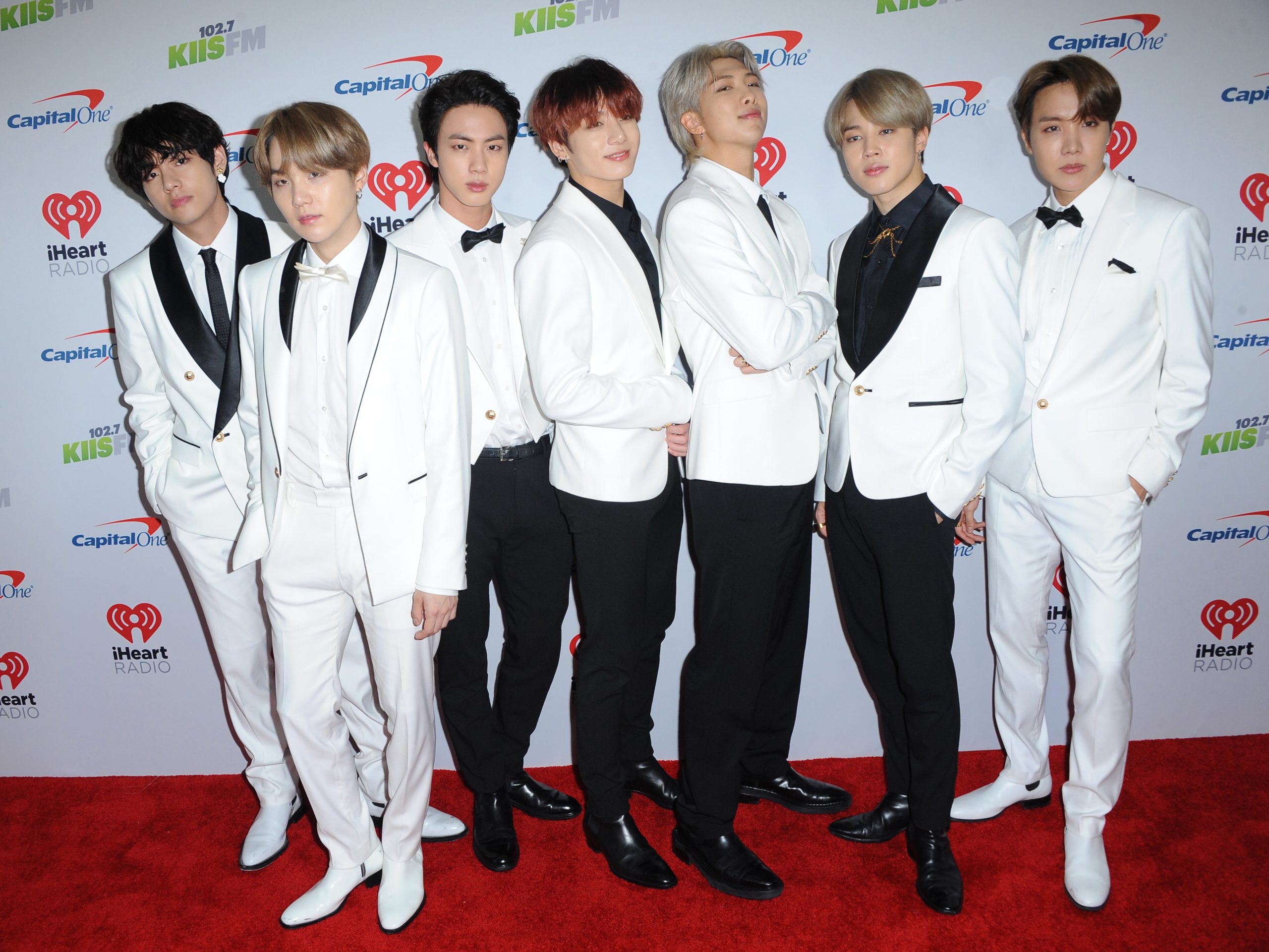
Their comments put a more personal frame around a career pause that reshaped K-pop’s biggest group. As BTS returns from military duty, the comeback story is also about disconnection, recovery and pressure.
BTS members said they did not have anyone to talk to during military service, a stark admission from the world’s biggest K-pop group as they reflected on being separated from one another in the military. The comments matter now because BTS is moving back toward group activity after mandatory duty interrupted its most dominant years.
The loneliness they described adds a more human layer to the comeback narrative. For fans, it is not only about when BTS performs again; it is about what the members are carrying back from a period that removed them from each other, the stage and the daily machinery of global fame.
Loneliness behind the reunion
The most striking part of the new comments is their simplicity: the members did not frame military service only as discipline, duty or a scheduling obstacle. They talked about having no one to talk to.
That hits differently for BTS because the group’s public identity has long been built around seven people moving as a unit. Even when members pursued solo work, the group’s story remained collective. Military service broke that rhythm in a way no album cycle or hiatus could fully replicate.
The reported remarks also complicate the celebratory tone around BTS’ return. A reunion can look clean from the outside: discharge dates, fan events, studio plans, headlines about the band being “back.” But the members’ own words point to a quieter cost — separation from the people who had understood the strange pressures of their lives best.
Why service changed the dynamic
BTS’ military period was not a normal celebrity break. In South Korea, all able-bodied men are required to serve, and NPR has reported that exemptions are limited to only a handful of top athletes and performers. For years, BTS sat at the center of a national debate over whether globally successful pop artists should receive special treatment.
Lawmakers discussed possible changes as BTS became one of South Korea’s most visible cultural exports. An amendment allowed the members to delay enlistment until age 30, according to NPR, but proposals for a broader exemption stalled amid resistance from the military and concerns about fairness.
That left the group to do what other South Korean men are expected to do: serve. The difference was scale. BTS entered military life after years of global stadium shows, Grammy nominations, U.S. chart success and an intensely devoted fan base watching every step.
The result was a pause that was both ordinary and extraordinary. Service was a civic requirement, but for BTS it also became a global entertainment event — tracked by fans, investors and the music industry.
A hiatus with real stakes
BTS announced in June 2022 that it would pause group activities to focus on solo projects and allow the members to complete military service. NPR reported that the group’s agency, Hybe, later said the members would begin enlisting with the goal of regrouping in 2025.
The business stakes were immediate. NPR noted that the news came at the height of BTS’ fame and sent Hybe’s stock price down 25%, a reminder that the group was not just a band but a central pillar of a major entertainment company.
For fans, the stakes were emotional. For the industry, they were financial and strategic. For the members, the stakes now sound more personal: how to step away from a life lived under constant attention, serve separately and then return as a group without pretending nothing happened.
That is what makes the “anyone to talk to” comment resonate. It suggests that the pause was not simply a reset button. It was an isolating interruption in the lives of artists who had spent much of adulthood inside the same shared system.
RM and V’s return signaled momentum
The public reunion began taking shape as members completed service. NPR reported that RM and V were discharged in Chuncheon, South Korea, where they saluted in uniform before cameras and cheering fans. They thanked fans and fellow soldiers.
RM, BTS’ leader, said after his discharge that he wanted to make music and return to the stage quickly, according to NPR. V said he had “remade” his mind and body and wanted to get back to ARMY, the group’s fan base, as quickly as possible.
Those comments carried optimism, but they also fit with the newer reflections on loneliness. The desire to return quickly does not erase the difficulty of the time away. If anything, it may explain why reconnecting with fans and bandmates feels urgent.
By that point, Jin and J-Hope had already completed service after each serving 18 months, NPR reported. Jimin and Jung Kook were expected to be discharged that same week, with Suga following later in June. The staggered returns made the comeback feel less like one dramatic moment and more like a slow reassembly.
The pressure before enlistment
The members had been open even before service about the strain of the K-pop system. NPR cited RM’s comments from 2022, when he said the constant demands of the industry left little personal time for artists. “After 10 years of living as BTS and working on all our schedules, it’s physically impossible for me to mature anymore,” he said at the time.
That earlier concern now reads as important context. Military service separated the members from one another, but it also separated them from the work cycle that had defined their lives. RM later said during a livestream that he had taken a complete break from creative activity over the previous year and a half, adding that the time may have recharged him and that the group had plans in place, according to NPR.
There is a tension there. Rest can be necessary and still lonely. Service can offer structure and still feel emotionally isolating. A break from making music can help an artist recover, even if the circumstances are not chosen freely.
That tension may shape how BTS’ next era is received. Fans are not just waiting for proof that the group can still dominate charts. Many are listening for signs of what changed while the members were away.
What remains unclear
The broad direction is obvious: BTS is moving toward a group return. The finer details are less settled publicly. A full album timeline, tour plans and how quickly all seven members will resume intense promotional schedules remain questions until the group or Hybe lays them out.
There is also the artistic question. Military service gave each member a radically different environment from the one that produced BTS’ earlier work. It may deepen the group’s music, sharpen its perspective or simply make the first phase back feel cautious.
What is clear is that the comeback cannot be understood only as a calendar milestone. The members’ comments about having no one to talk to underline the emotional distance created by service, even for artists whose bond has been central to their appeal.
For BTS, returning from military duty is not just a resumption of business. It is a test of how seven people reconnect after being pulled into separate lives — and whether the group can turn that isolation into the next part of its story.


Leave a Reply