
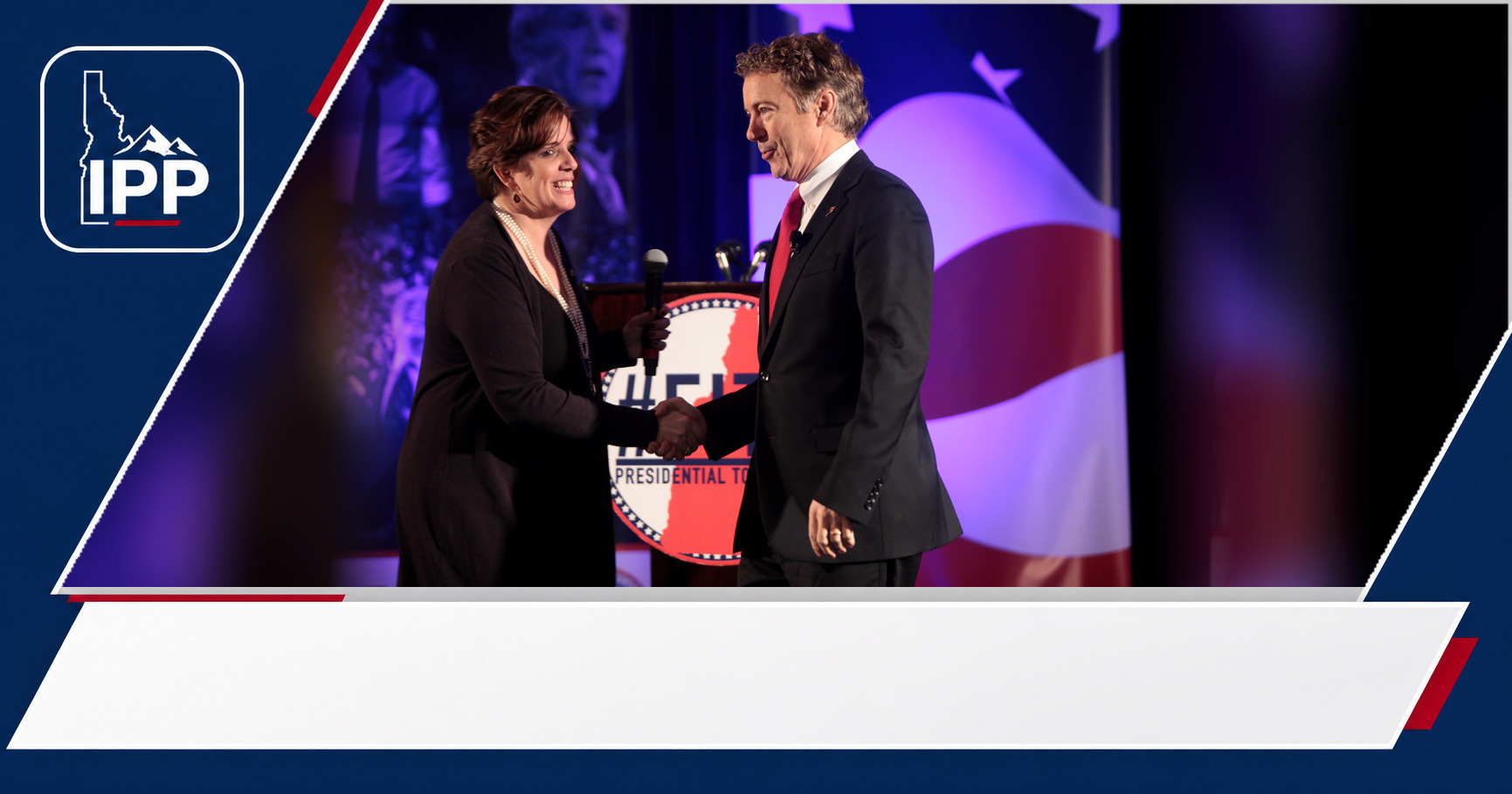
The fight over Trump’s WHCD appearance became a test of who gets blamed when a political performance falls flat: the speaker, the room or the media covering it.
Fox News fans reacted angrily to Jennifer Horn, a Fox News guest and conservative radio host, after she defended Donald Trump’s July 24, 2026 White House Correspondents’ Dinner speech on Saturday by blaming the crowd for the poor WHCD reception. The backlash happened on social media after Horn said the room was a “bunch of duds.”
The social-media shorthand was simple — Fox News fans slam guest — but the argument underneath was sharper. Viewers were not just judging Trump’s White House Correspondents’ Dinner performance. They were judging the explanation offered for why it did not land.
Horn blamed the room
Horn appeared on Fox News’s Night with Trace Gallagher, where the segment focused on reaction to Trump’s address at the White House Correspondents’ Dinner, according to Daily Express US. The on-screen chyron reportedly read, “Liberal media unimpressed with Trump’s speech to press.”
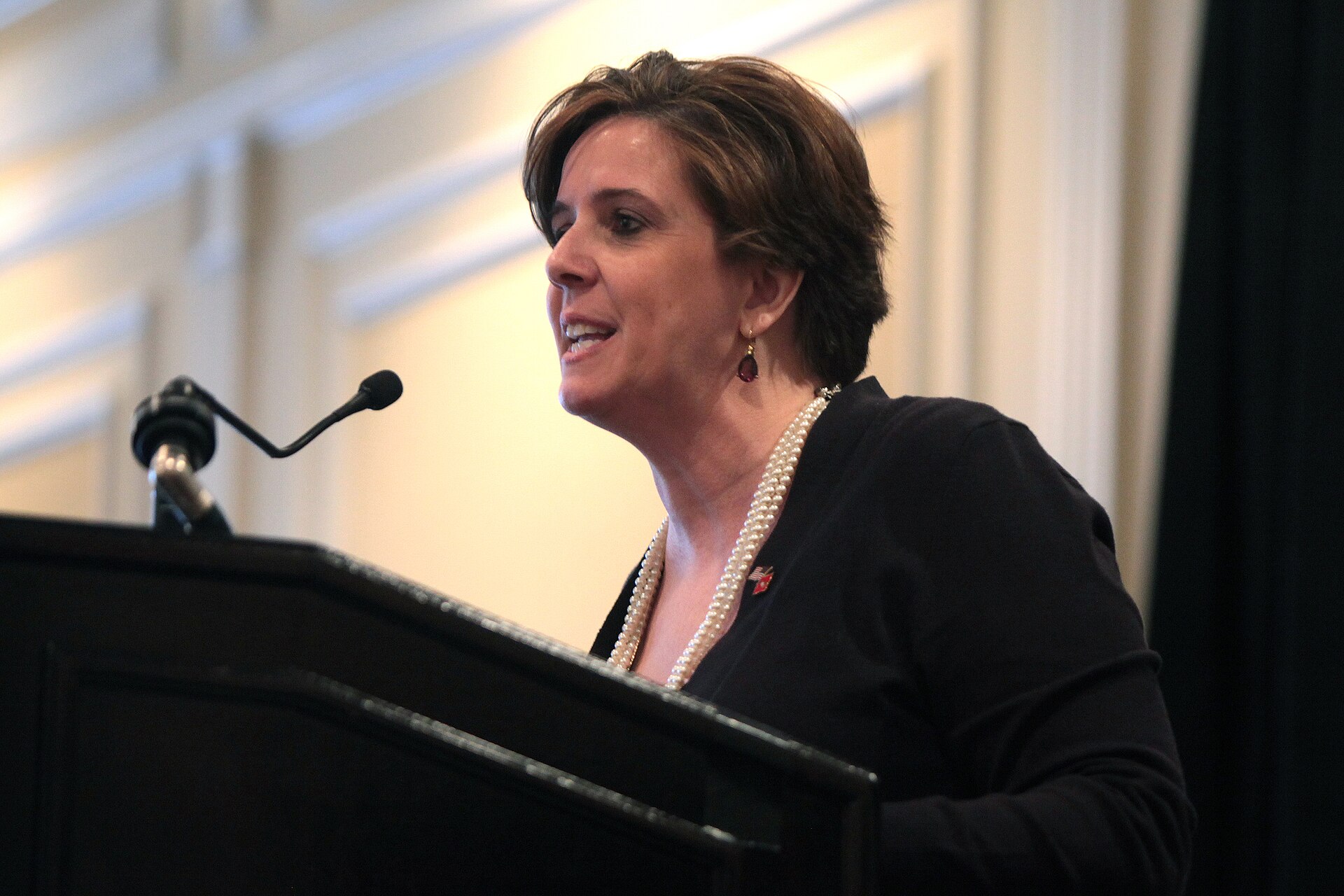
Horn’s defense was direct. “I thought he killed it,” she said, according to the report. “The losers of the night, I thought, were the room. The room was kind of a bunch of duds.”
Gallagher’s response leaned into the same framing. He said some journalists appeared to be shaking their heads as if Trump was “being so mean,” then added: “Come on, have a little fun, people.”
That is where the online reaction hardened. The criticism was not only that Horn liked the speech. It was that she shifted the blame from the speaker to the audience, a familiar move in political media that can sound like loyalty when it works and like spin when it does not.
Why the speech divided viewers
The White House Correspondents’ Dinner is always an odd stage for a president. It is part roast, part media ritual and part televised status contest. Politicians are expected to jab at the press, absorb some mockery and prove they can be funny under lights.
Trump’s appearance, as described by Daily Express US, was not a quick comic set. The report said he delivered a roughly one-hour address that began with praise for the Secret Service and condemnation of political violence, then moved into complaints about the media.
He also reportedly used the speech to target late-night hosts Jimmy Kimmel, Jimmy Fallon and Stephen Colbert, dismissing them as “people without talent.” That kind of line fits Trump’s combative style, but the WHCD room is not a campaign rally. The applause meter is different.
That mismatch is part of why Horn’s “bunch of duds” comment drew attention. If a crowd at a press dinner does not laugh, one interpretation is that the room is hostile or humorless. Another is simpler: the jokes did not work for that audience.
The Collins moment sharpened reaction
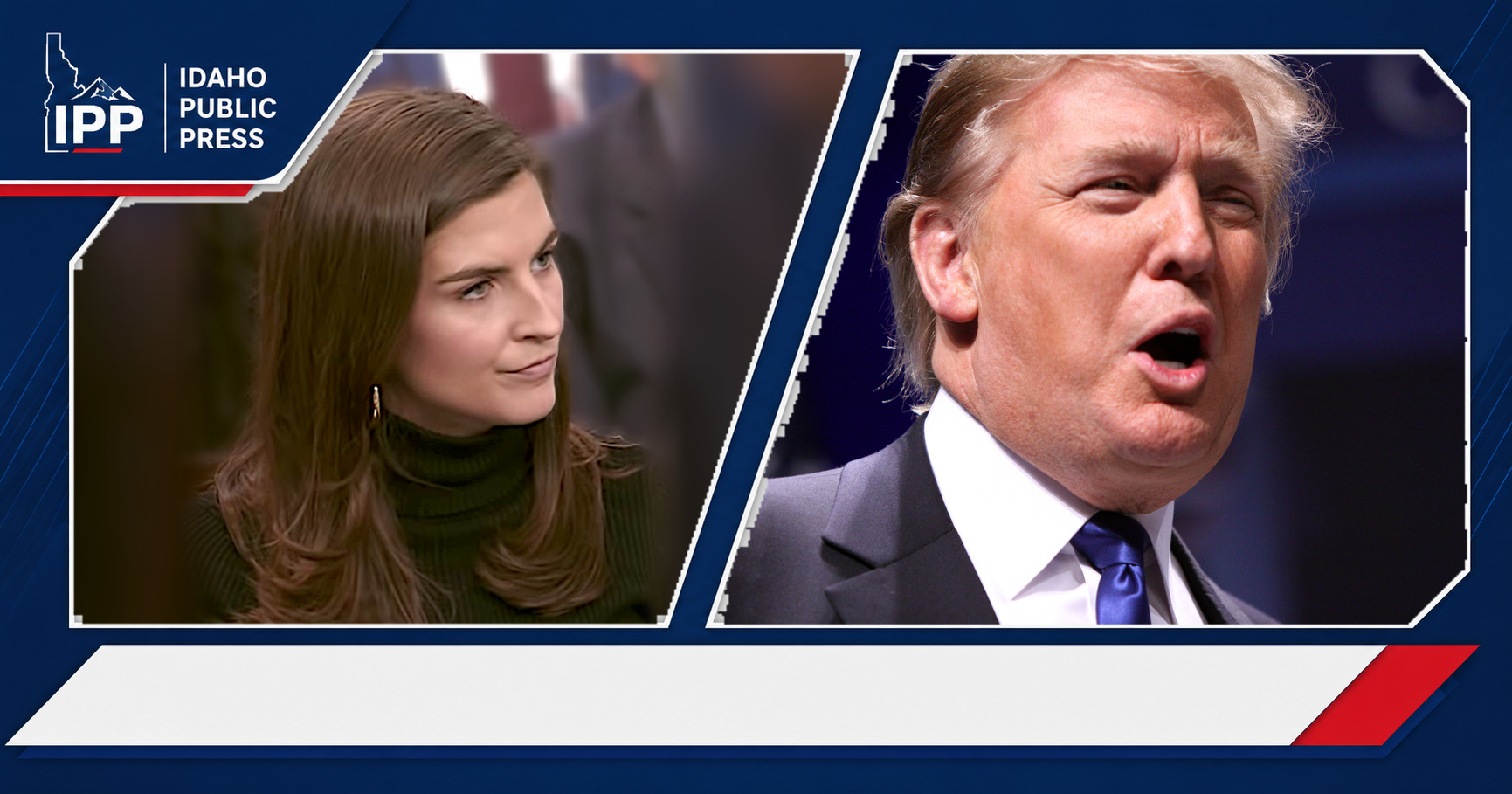
The most pointed part of the reported speech involved CNN’s Kaitlan Collins. Daily Express US reported that Collins accepted an award tied to her coverage of Trump’s February 2025 Oval Office exchange with Ukrainian President Volodymyr Zelensky.
Trump reportedly shook Collins’s hand as she walked across the stage, then later criticized her from the podium. The report said he called her reporting “fake,” said she “shouldn’t get the award,” and revived his past complaint that she does not smile enough.
According to the same account, Trump told her: “Just smile, Kaitlan. Just smile.” The remarks reportedly drew boos from the audience, while CNN staffers defended Collins online.
That moment matters because it gave critics a concrete example. Horn was not defending a single joke that misfired. She was defending a speech that, according to detractors, mixed media criticism, personal grievance and a gendered jab at a working journalist being honored in the room.
Backlash is not a poll
The social-media reaction cited in the Express report included users mocking Horn’s explanation and arguing that Trump sounded “tired” rather than funny. Another post sarcastically suggested the entire room must have lacked a sense of humor if Horn’s read was correct.
Those posts are useful as a snapshot of backlash, but they are not a scientific measure of Fox News viewers. Social media often rewards the sharpest quote, not the most representative opinion. A few viral posts can make a reaction look larger or more unified than it is.
Still, the criticism is notable because it came in response to a Fox News segment designed to reframe the speech as a case of liberal media disapproval. The pushback suggested at least some viewers were not buying the idea that the audience alone caused the flat reception.
That distinction is important. A pundit can argue that a hostile room made a speech harder to land. It is more risky to argue that the room was the “loser” when viewers have also seen clips, quotes and immediate reactions from people inside the event.
Fox’s framing met friction
The exchange also shows the limits of cable-news framing in the clip-driven era. A chyron can tell viewers the “liberal media” was unimpressed. A guest can say the president “killed it.” But the audience now has other signals: boos, viral excerpts, reporter reactions and competing commentary.
Trump’s supporters often praise his willingness to attack institutions that he says have treated him unfairly. His critics see the same performance as grievance politics, especially in a room where the press is both the target and the host.
Horn’s comment sat directly between those two readings. To sympathetic viewers, she may have been saying the press corps refused to laugh because it dislikes Trump. To critics, she sounded unwilling to admit that Trump’s material did not work.
That is why the phrase “bunch of duds” traveled. It compressed the whole fight into one question: when a political joke fails, is the problem the joke, the speaker or the people who did not laugh?
What remains unclear
Several things are still hard to measure from the available reporting. It is unclear how broad the backlash was beyond the posts cited in coverage. It is also unclear whether Horn or Fox News will respond to the criticism.
There is also a bigger unresolved question about the event itself. Daily Express US described the July 24 dinner at Washington, D.C.’s Waldorf Astoria hotel as a “do-over” after an April event connected to an assassination attempt on the president. That context would make any WHCD appearance unusually tense before a single joke was told.
But tension does not fully explain the reaction. The WHCD has always required presidents to calibrate tone in front of journalists who are paid to be skeptical. Trump’s brand is to reject that calibration, not master it.
Horn tried to turn the focus back on the room. The backlash shows why that is a gamble: even friendly audiences can resist being told that a performance succeeded when the most memorable response was people arguing over why it failed.






Leave a Reply