
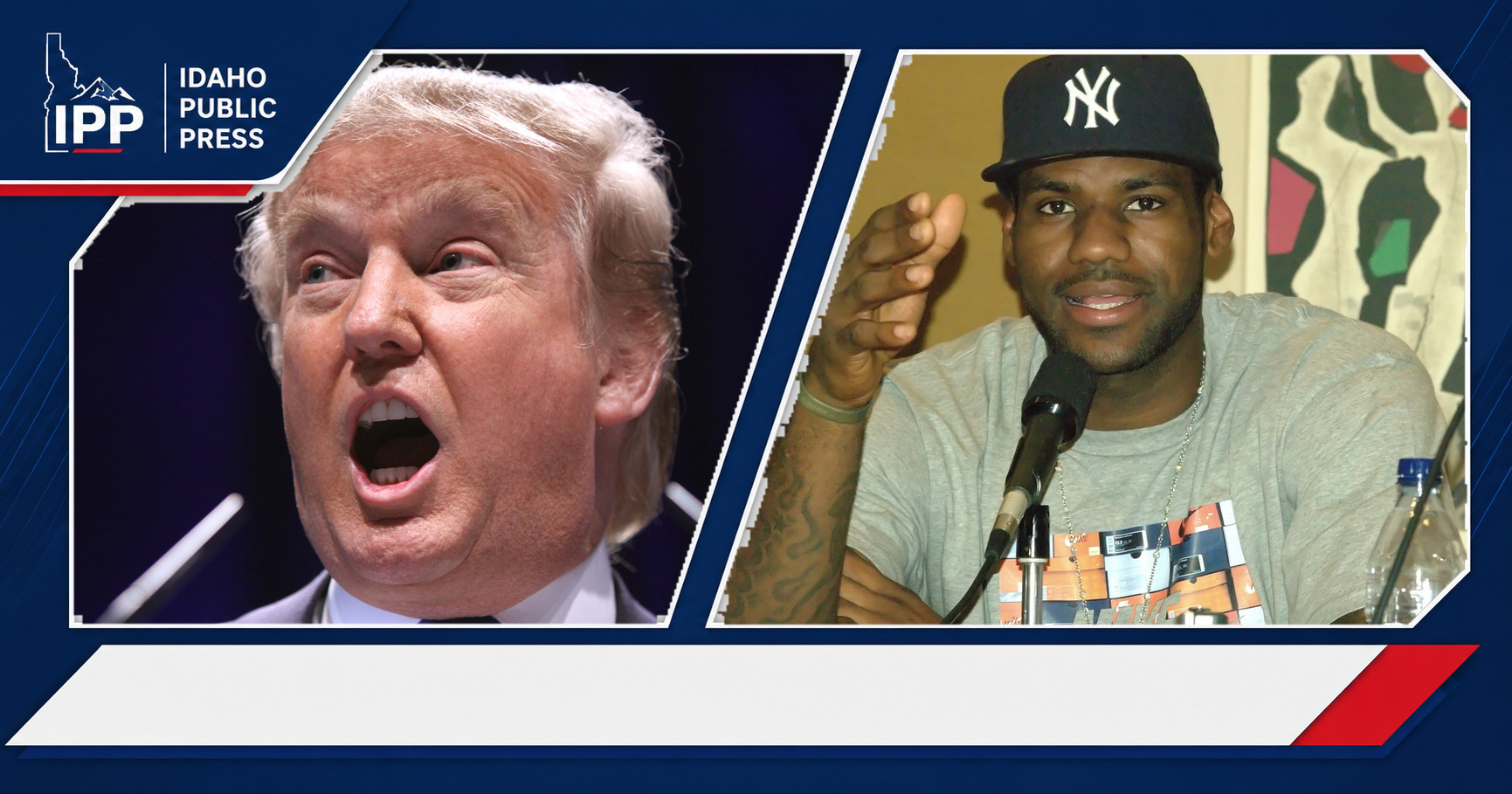
James’s move to the Philadelphia 76ers should have been a basketball story. Trump turned it into another flashpoint over race, celebrity and political loyalty.
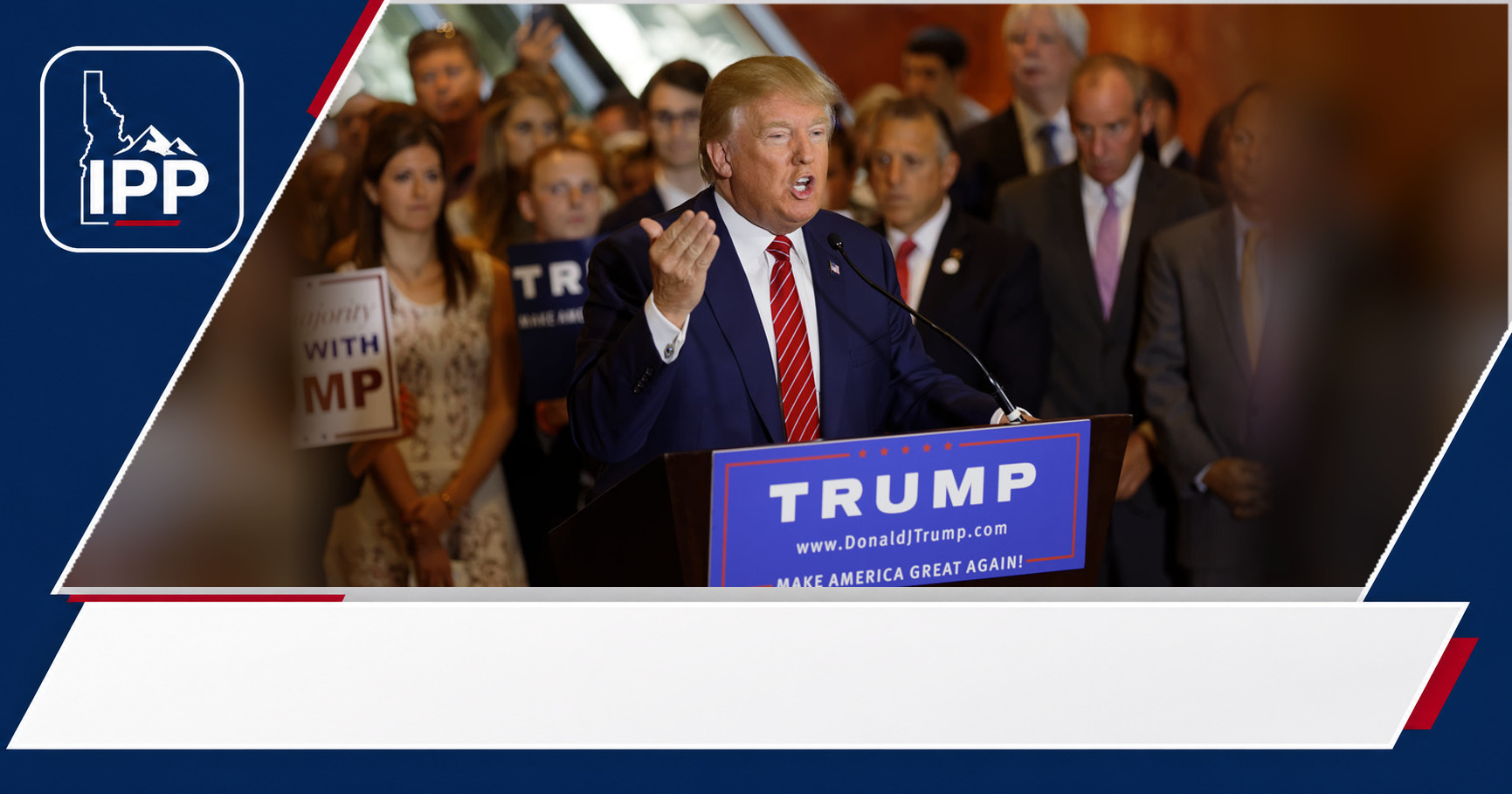
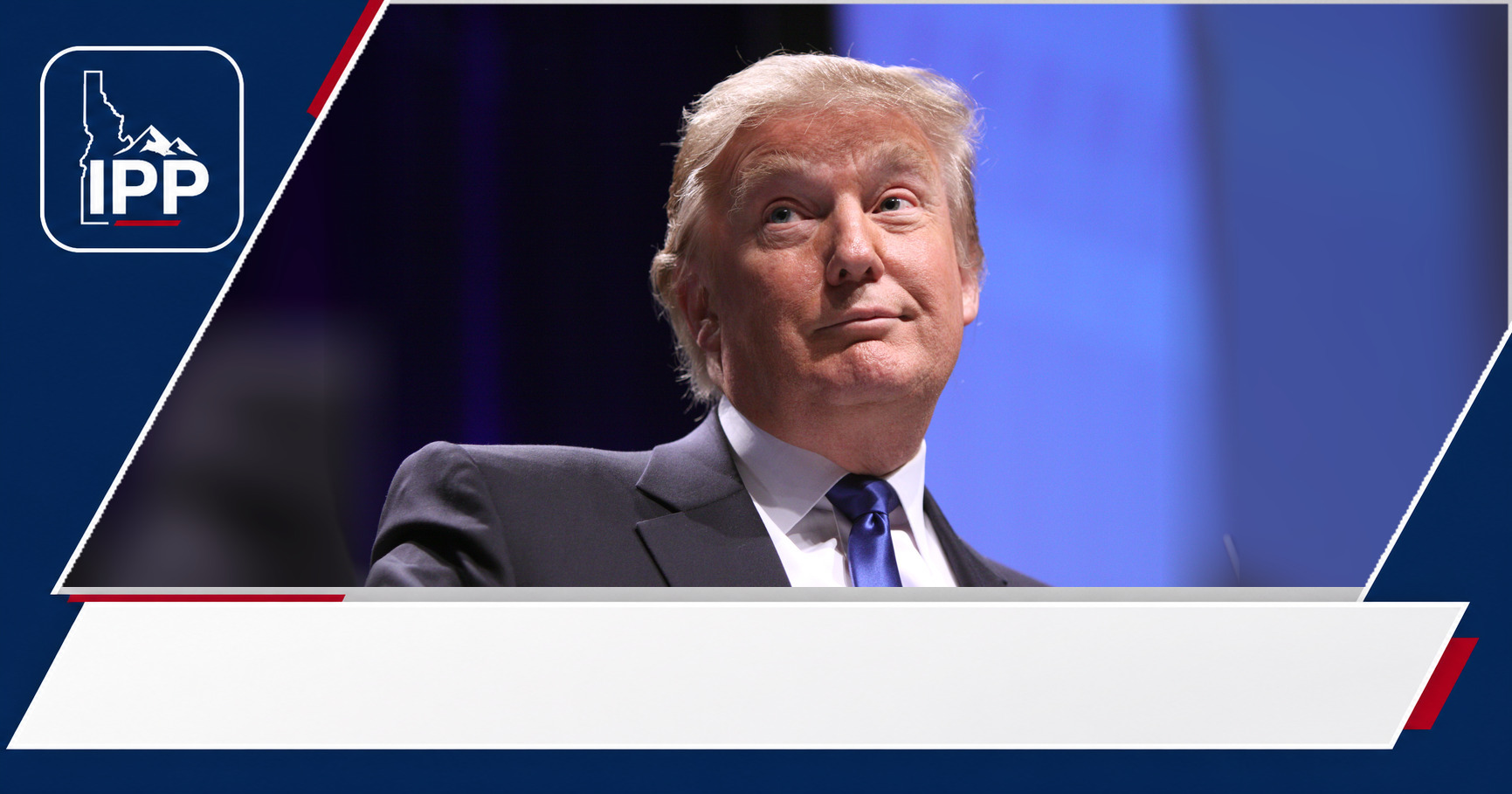
Donald Trump commented on LeBron James after James, 41, announced Friday that he would join the Philadelphia 76ers in a reported two-year, $8 million move to Philadelphia, saying in the Oval Office that “maybe he’s a racist” while comparing him with Michael Jordan, 63.
The remark matters because it pulled a basketball transaction into a familiar political feud: Trump used a greatest-of-all-time question to praise Jordan, a friend and golf partner, and to jab at James, one of the most prominent athletes to criticize him.
A sports question turned political
The exchange happened Friday in the Oval Office, according to reports from The Hill, Reuters and the BBC, after Trump was asked about James and Jordan. The question could have stayed inside a well-worn sports argument: four-time champion LeBron James versus six-time champion Michael Jordan.
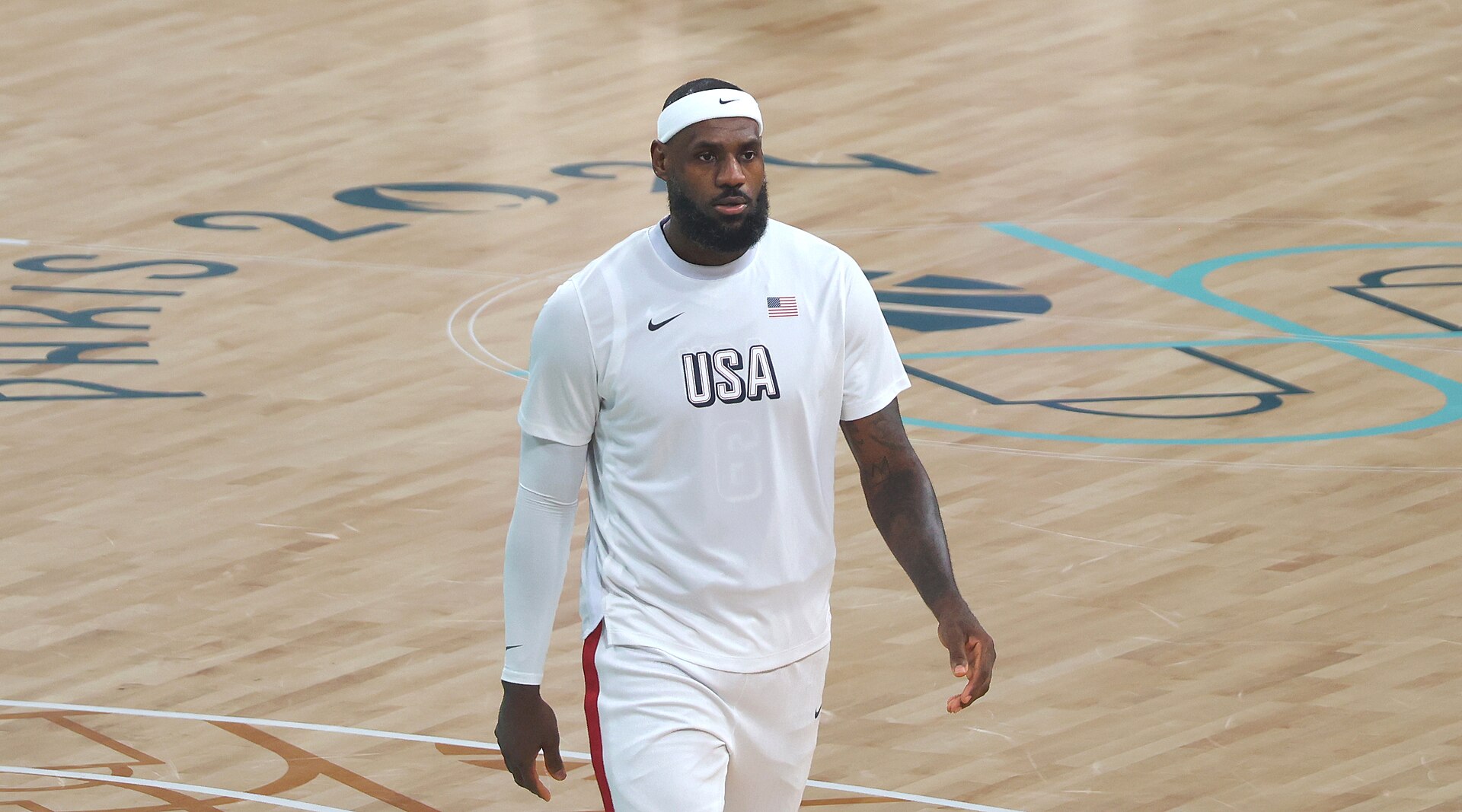
Trump did not keep it there. He said Jordan was “a friend of mine,” called him “a really good guy” and noted that he plays golf with him. Then he turned to James.
“I think LeBron is, maybe he’s a racist, but maybe he doesn’t like Trump. I don’t know,” Trump said, according to the BBC’s account of the remarks. “I only like people that like me, so I would say Michael Jordan all the way.”
That sentence is doing several things at once. It frames James’s criticism of Trump as personal hostility, hints at a serious accusation without presenting evidence, and then collapses the Jordan-James debate into a test of loyalty to Trump himself.
Why James’s move matters
James’s decision to head to the Philadelphia 76ers was already a major NBA story before Trump weighed in. At 41, James is extending one of the longest and most scrutinized careers in league history, this time with a team trying to turn star power into a championship run.
The public details now circulating describe the Philadelphia move as a two-year, $8 million agreement. James said in a social media post quoted by the BBC that he believes he can help make the 76ers a championship team.
That is the basketball hook: an aging superstar joining a team with title ambitions. Philadelphia now becomes the latest stage for a player whose career has already run through Cleveland, Miami, Cleveland again and Los Angeles.
James has won four NBA championships, been named league MVP four times and holds the NBA records for all-time points and games played. Those numbers are why any late-career move by James is treated as more than a roster transaction.
Jordan praise carried a message
Trump’s preference for Jordan is not unusual on its own. Millions of fans choose Jordan in the NBA’s greatest-ever debate, often citing his six championships with the Chicago Bulls in the 1990s and his five MVP awards.
But Trump’s explanation was not built around defense, playoff records or Finals performances. It was built around personal relationship. Jordan is a friend, Trump said. They golf together. Jordan, in Trump’s telling, is “a really good guy.”
That made the comparison less about basketball resumes and more about proximity to Trump. Jordan became the favored athlete not simply because of his rings, but because Trump described him as friendly and personally aligned.
James, by contrast, has been one of the most visible athlete-critics of Trump. He endorsed Hillary Clinton, Joe Biden and Kamala Harris in elections against Trump, according to the BBC, and has repeatedly used his platform to criticize Trump’s politics and rhetoric.
A feud years in the making
The bad blood between Trump and James is not new. In 2017, James called Trump “a bum” during a fight over whether championship teams would visit the White House. That moment helped cement James as one of the defining sports voices against Trump’s presidency.
For supporters of James, his political activity fits a long tradition of athletes speaking beyond sports, especially on race, policing, voting and public power. James has built schools, funded civic initiatives and embraced the idea that celebrity athletes can operate as political actors.
For Trump supporters, James has often been treated as another wealthy celebrity attacking a president they back. Trump’s remark appears aimed at that audience as much as at James himself: it converts James’s criticism of Trump into a character question.
There is a difference, though, between saying an athlete dislikes a politician and suggesting, without evidence, that he “maybe” is racist. That word raises the temperature of the exchange and ensures the story travels beyond sports pages.
What James has not said
As of the latest reports, James had not publicly responded to Trump’s comment. That silence is notable because James has never been shy about criticizing Trump, but he also has a new basketball story to manage in Philadelphia.
The 76ers have not been the center of Trump’s dispute with James. The team is the setting that made the question timely. The larger fight is between a president who often treats criticism as personal disloyalty and an athlete who has made political opposition part of his public identity.
There are also unanswered questions around how the 76ers will shape their roster around James and how much he can still carry at 41. Those questions are basketball questions. Trump’s comment may temporarily drown them out, but they will decide whether the Philadelphia move is remembered as a late-career masterstroke or a high-profile gamble.
The more immediate question is whether James chooses to answer. A response would likely extend the clash. No response would leave Trump’s remark hanging as another entry in a years-long public feud.
The takeaway beyond the quote
The quote will get the attention because it is blunt, personal and inflammatory. But the revealing part is the logic behind it: Trump was asked to weigh James against Jordan and answered by sorting the two athletes through friendship, loyalty and grievance.
That is why the moment has broken out of sports. James’s Philadelphia move is a major NBA development. Trump’s Oval Office answer turned it into a story about power, race, celebrity and the expectation that public figures choose sides.
Fans can still argue Jordan versus James on basketball terms. Trump made clear he was arguing on different terms. For readers trying to separate the noise from the news, that distinction is the story.





Leave a Reply