
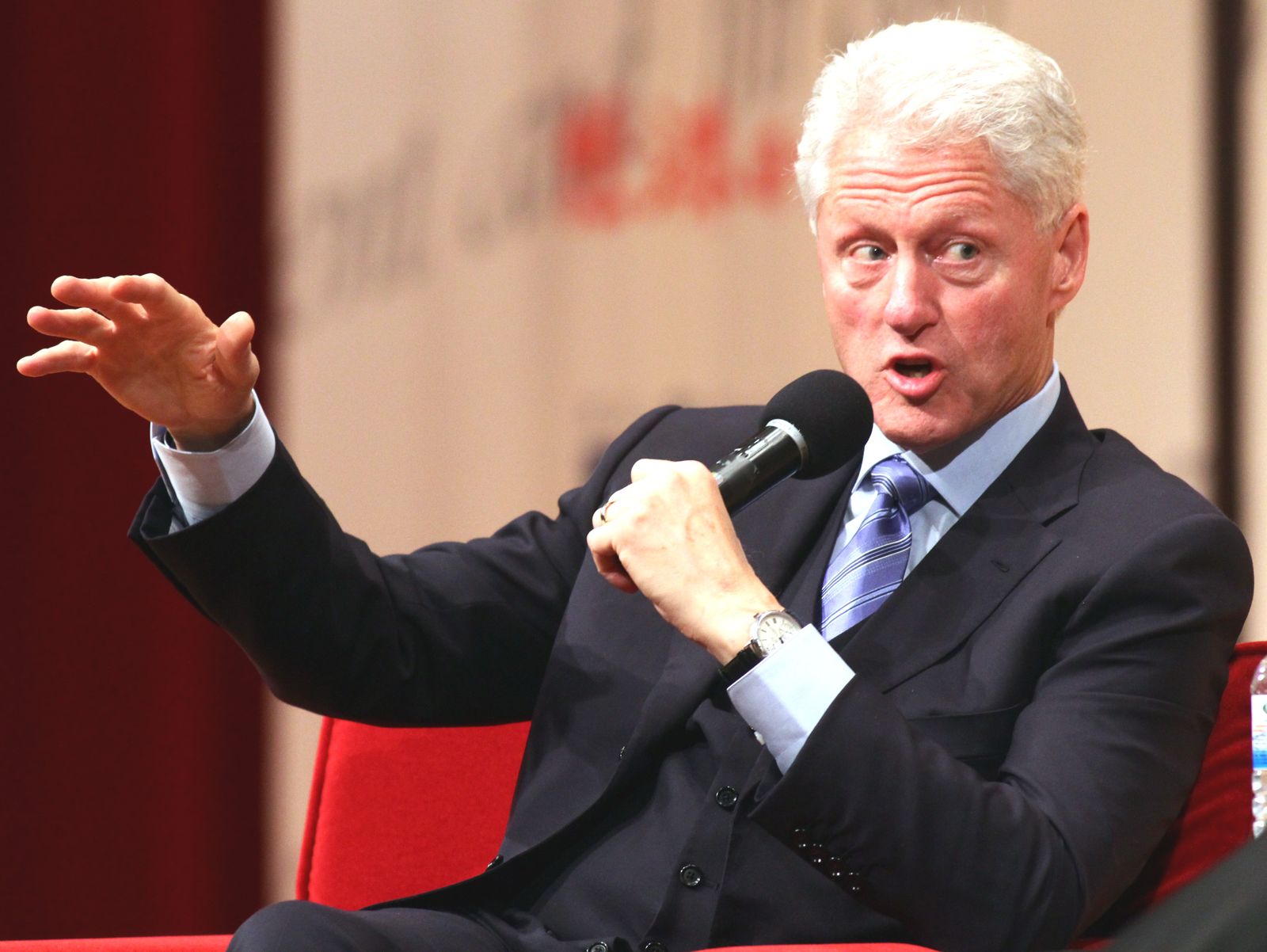
The former president’s holiday message stood out because it was not just ceremonial. By aiming at “people in charge,” Clinton joined a familiar July Fourth tradition: using patriotism to argue over what America owes itself.
Bill Clinton’s July Fourth message did not land like a standard fireworks-and-flag holiday greeting.
The former president used the occasion to criticize “people in charge,” according to ABC News, turning a day usually reserved for unity language into a pointed reminder that Independence Day has always carried a political charge.
A holiday message with an edge
Clinton’s message drew attention because of its target. He did not merely praise the country’s founding or thank service members, the familiar beats of presidential holiday statements. The notable line was aimed upward, at those holding power now.
That matters because July Fourth is one of the safest dates on the political calendar for public figures. Most messages are written to offend no one: celebrate freedom, honor the Founders, salute the troops, enjoy the day safely.
Clinton chose a sharper lane. By invoking “people in charge,” he suggested that patriotism is not only about reverence for the past. It is also about judging whether current leaders are living up to the country’s stated promises.
The available source brief does not show Clinton naming a specific official or officeholder in the quoted phrase. That ambiguity is part of why the message traveled: it allowed supporters and critics to hear a wider rebuke in a few words.
Why those words traveled
“People in charge” is a politically useful phrase because it is both blunt and elastic. It can mean the White House. It can mean Congress. It can mean governors, courts, party leaders, donors, media figures or an entire governing class.
That broadness gives a former president room to criticize without turning a holiday message into a campaign speech. It also invites readers to fill in the blanks based on their own politics.
For Clinton, who spent two terms in the presidency and has remained a high-profile Democratic figure, even a short holiday message carries extra weight. Former presidents do not hold formal power, but their words still function as signals to party voters, donors and elected officials.
That is especially true on Independence Day. The holiday gives politicians a ready-made vocabulary: liberty, responsibility, sacrifice, equality, union. A pointed message wrapped in those words can sound less like daily partisan combat and more like a civic warning.
Clinton has used this theme before
Clinton’s July Fourth language also fits a pattern visible in his older presidential messages. In his official Independence Day message in 2000, archived by The American Presidency Project, Clinton wrote that Americans are “stewards” of earlier generations’ sacrifice.
That 2000 message emphasized that freedom had to be preserved and that the country still had work to do in pursuit of “justice, equality, and human dignity.” It also urged Americans to reject hatred and division.
The older statement was delivered while Clinton was still president, so it had the polished tone of an official White House proclamation. The new message, as reported by ABC News, appears more direct in its criticism of current leadership.
But the connective tissue is clear: Clinton has long framed Independence Day not only as a celebration of what America is, but as a test of whether the country is moving toward what it says it wants to be.
Former presidents still shape the fight
There is a reason remarks from former presidents keep drawing attention. They are outside the daily machinery of governing, but not outside politics.
A former president can say things sitting officials may avoid. They can warn, scold, bless, nudge or shame from a position that feels half-institutional and half-personal. Their statements often become a way for voters to interpret the moment.
Clinton occupies a particular place in that ecosystem. To many Democrats, he represents a period of electoral success and economic confidence. To many Republicans, he remains a symbol of the battles and scandals of the 1990s. That makes even a holiday message easy to read through old loyalties and old grievances.
The reaction metrics on the MSN-distributed ABC News item suggest readers noticed. The story quickly drew hundreds of likes and dozens of comments, a sign that the phrase “people in charge” hit a nerve beyond the usual holiday-message audience.
Patriotism as a measuring stick
The tension in Clinton’s message is not new. Independence Day has always been both a celebration and an argument.
Politicians use it to praise the Declaration of Independence, military service and national endurance. Activists use it to ask who has been excluded from the promises of liberty. Presidents often try to do both: honor the country while insisting the work is unfinished.
That dual purpose is built into the holiday. The Declaration itself was a complaint against power before it became a national symbol. So a July Fourth message aimed at leaders is not a break from the holiday’s meaning. It is one version of it.
Clinton’s phrase is also effective because it shifts attention from ordinary citizens to decision-makers. Many political messages ask Americans to unite, volunteer, vote or be hopeful. This one, at least as framed by the reported wording, put the burden on those with authority.
What remains unclear now
The biggest unanswered question is how specific Clinton intended the criticism to be. Without a fuller public excerpt in the supplied source material, it is not clear whether his message was aimed at one administration, one party or a wider class of leaders.
That uncertainty will not stop people from interpreting it. In a polarized environment, a former president rarely gets the benefit of being read neutrally. Supporters will treat the message as a timely defense of democratic values. Critics may dismiss it as partisan moralizing from a political veteran.
The more durable point is that Clinton used a patriotic holiday to argue about accountability. That is why the message stood out. It turned a ritual greeting into a small but visible test of leadership.
July Fourth statements often disappear as soon as the fireworks do. This one lasted longer because it asked a sharper question: who is in charge, and what are they doing with that power?





Leave a Reply