
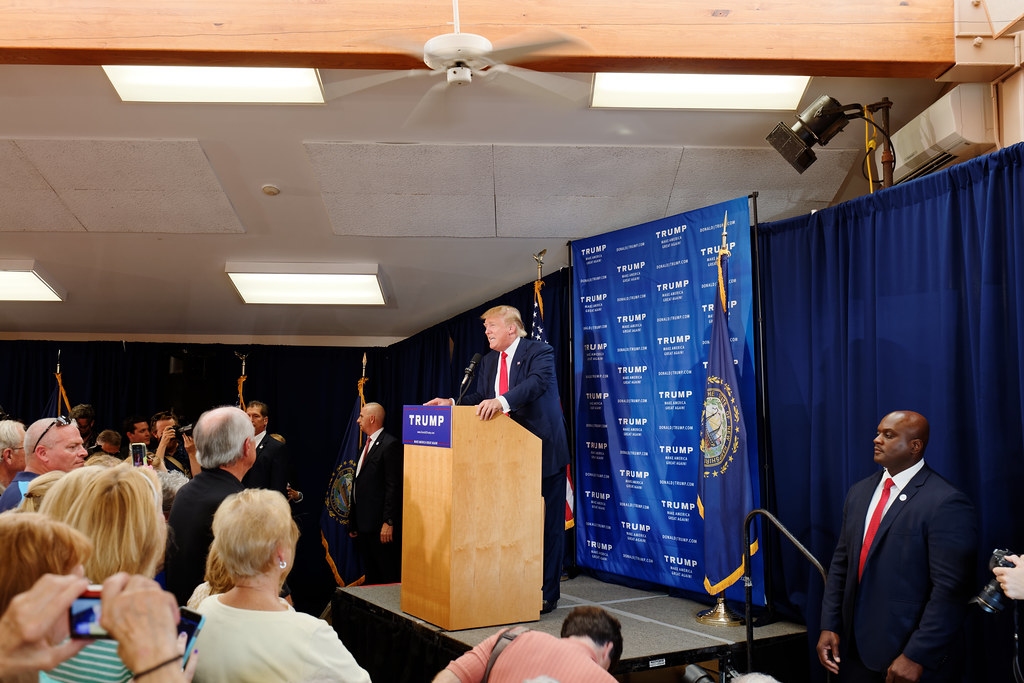
The Independence Day scene put two visions of patriotism in the same city: official celebration and public dissent. The tension matters because 2026 is not just another July 4 — it is America’s 250th anniversary year.
Washington’s Fourth of July celebration became more than a patriotic set piece when anti-Trump demonstrators gathered in the capital and called for Donald Trump’s removal from office.
The protest, reported by The Mirror US as a large rally in D.C., landed against the backdrop of the White House’s yearlong Freedom 250 program, an official push to mark 250 years of American independence with major events in Washington and across the country.
A holiday built for symbolism
July 4 is never politically neutral in Washington. It is the country’s birthday, a military and civic ritual, a tourist magnet and, often, a stage for protest.
This year’s demonstrations carried an especially pointed message. According to The Mirror US report highlighted on MSN, protesters in Washington rallied against Trump and called for his removal from office during the July 4 celebrations.
That framing matters because the holiday was already being treated by the administration as part of a larger national story. The White House’s Freedom 250 page describes July 4, 2026, as “the most important milestone in our country’s history” and says the administration is organizing a full year of festivities around the semiquincentennial.
For Trump critics, that made the day a high-visibility opportunity. For the White House, it was meant to be a unifying anniversary showcase. Those two aims collided in public view.
The protest message was blunt
The core demand attributed to the demonstrators was not subtle: removal from office. That is a more severe political demand than ordinary campaign opposition or policy protest.
Calls for removal can mean different things in political speech. Protesters may use the phrase broadly to demand resignation, impeachment, electoral defeat or other constitutional processes. The source brief does not establish which specific mechanism organizers were demanding, so the safest reading is that the rally was an anti-Trump protest using removal as its central slogan.
No independently verified crowd count was included in the available extracted material. The Mirror US described the rally as “massive,” but crowd-size claims at political events are often contested, especially in Washington, where camera angles, blocked streets and multiple gatherings can make estimates difficult.
What is clear is the political purpose: demonstrators wanted to interrupt the celebratory narrative and make opposition to Trump visible on one of the most symbolically loaded days on the American calendar.
Trump’s anniversary project set the stage
The White House has been building the 250th anniversary as a major national project. Its Freedom 250 initiative says the celebration began on Memorial Day 2025 and will continue through the end of 2026.
The official plan includes events in Washington, D.C., and around the country. The White House page describes mobile “Freedom Trucks” traveling through the 48 contiguous states, a National Mall gathering, state and territory pavilions, performances, historical exhibits and other public programming.
That scale helps explain why dissenters would choose the moment. Large patriotic events are designed to create shared national feeling. Protesters often try to challenge exactly that kind of official unity when they believe the government is failing the values being celebrated.
In other words, the protest was not just near a holiday event. It was aimed at the meaning of the holiday itself.
Patriotism became the argument
Independence Day gives both sides powerful language. A president can use it to talk about national pride, continuity and shared history. Protesters can use it to invoke dissent, liberty and the right to challenge power.
That is one reason July 4 protests tend to resonate beyond the immediate crowd. They turn a familiar celebration into a question: who gets to define patriotism?
The White House’s Freedom 250 language emphasizes history, faith, national renewal and a “renewed love for American history.” Anti-Trump demonstrators, by contrast, appear to have used the anniversary atmosphere to argue that opposing Trump was itself an act of civic duty.
Those claims are not new in American politics. From civil rights marches to antiwar protests to modern demonstrations outside federal buildings, Washington has long been a place where official ceremony and dissent occupy the same streets.
Removal talk raises the stakes
Because the protest reportedly called for Trump’s removal from office, the rhetoric carries more weight than a standard anti-administration rally.
Under the U.S. system, removing a president is not something a protest can directly accomplish. The Constitution provides specific mechanisms, including impeachment by the House and conviction by the Senate. The 25th Amendment also addresses presidential inability, though it operates through the vice president, Cabinet and Congress, not through public demonstration.
But protests can still matter politically. They can shape media attention, pressure lawmakers, signal voter anger and energize organized opposition. They can also harden divisions when supporters of the president view the demonstrations as an attack on a national celebration.
That is the central tension from the D.C. scene: a holiday meant to project unity instead exposed the intensity of the country’s political split.
What remains unclear now
The available source material does not confirm several important details, including the protest’s exact size, whether any arrests occurred, which groups organized the rally or how close demonstrators came to official July 4 programming.
It also does not include a direct response from Trump or the White House to the protest. The official Freedom 250 materials continue to frame the anniversary as a nationwide celebration rather than a partisan event.
Those gaps matter. Political protest stories can quickly become distorted by crowd claims, viral clips and partisan framing. The confirmed facts are narrower: a D.C. anti-Trump rally was reported during the July 4 celebration, protesters called for his removal from office, and the moment unfolded during a major White House-backed anniversary year.
The takeaway is still sharp. The 250th anniversary was designed to celebrate the American story. In Washington, part of that story was dissent in the streets.




Leave a Reply