
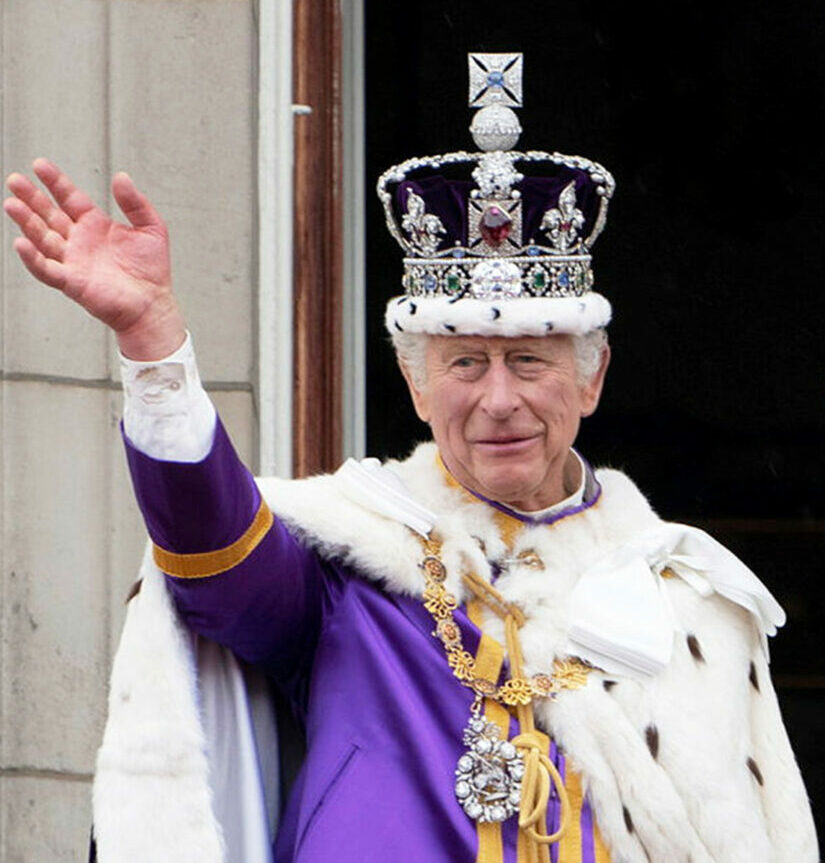
The King’s message was brief, polished and officially apolitical. It still carried diplomatic weight at a moment when royal warmth is part of Britain’s soft-power play.
King Charles III’s latest message to President Donald Trump arrived in the safest possible royal packaging: courteous, formal and tied to America’s Independence Day.
That does not make it meaningless. When a British monarch congratulates the president of the republic that broke away from the Crown, every carefully polished sentence sits on top of centuries of history, modern diplomacy and a relationship both governments still work hard to display as close.
A note with official weight
The King’s message to Trump was issued as a formal greeting for the United States’ national day, a type of communication Buckingham Palace sends to heads of state around the world. It was not a social media jab, a campaign intervention or a personal political endorsement.
That distinction matters. Charles is a constitutional monarch, not an elected politician. His public messages are meant to reflect continuity and goodwill, while staying away from party politics.
Still, the recipient was not generic. The message was addressed to President Trump at a time when Trump’s relationship with royal ceremony has again become part of the public story around U.S.-U.K. ties.
Palace language is built to look effortless. In reality, these notes are calibrated: warm enough to flatter, formal enough to avoid controversy and broad enough to speak to a whole country rather than one administration.
Why this message stood out
Independence Day greetings from a British monarch are inherently unusual in tone, even when they are routine in protocol. The holiday marks the United States’ rejection of British rule. The monarch now congratulates the country that exists because it left the monarchy behind.
That tension is part of the charm. The message allows both sides to emphasize what came after the rupture: trade, military cooperation, intelligence sharing, cultural ties and the familiar language of the “special relationship.”
This year, the note also lands after an unusually public stretch of royal diplomacy involving Trump and the King. The symbolism is hard to miss: a president who enjoys royal pageantry, a monarch who must remain above politics and a British government that benefits when the atmosphere with Washington looks warm.
For mobile readers scanning the headline, “direct message” can sound dramatic. The drama is quieter than that. The significance is in the fact that the palace chose the most traditional tool available, then deployed it at a moment when tradition itself is part of the message.
The state visit still echoes
The July 4 greeting follows a high-profile U.S. state visit by King Charles and Queen Camilla earlier this year. BBC coverage of the visit described a full diplomatic program, including a White House farewell, an address to Congress, a wreath-laying at the Tomb of the Unknown Soldier at Arlington National Cemetery and stops in New York and Virginia.
Trump, according to the BBC’s live coverage, praised Charles as “the greatest king in my book” during the visit. That kind of line is vintage Trump: personal, theatrical and instantly quotable.
Charles, by contrast, used more restrained language. In one address highlighted by the BBC, the King said the countries were meeting at “times of great uncertainty,” a phrase that fit his role as a unifying figure rather than a political combatant.
The contrast between the two men was part of the story. Trump leans into spectacle and direct praise. Charles leans into ceremony, historical continuity and carefully measured public remarks.
Royal diplomacy has limits
It is easy to overread a royal message. The King’s words should not be treated as a signal that he backs Trump’s policies, campaign style or political agenda. The monarchy’s public role depends on avoiding that kind of partisan meaning.
But it would also be a mistake to dismiss the message as empty. Soft power often works through tone, images and ritual. A state dinner, a military honor guard, a handwritten-style official note and a national day greeting can all help create political space without stating a policy demand.
That is especially useful for Britain. The U.K. has to manage its relationship with whoever occupies the White House, while also preserving the monarchy’s reputation as a nonpartisan institution.
Charles’s own public identity adds another layer. Before becoming King, he was closely associated with environmental causes and long-term global challenges. Trump’s political brand has often moved in a very different direction. The palace’s answer is not to debate those differences, but to speak in the language of friendship between nations.
Trump understands the pageantry
Trump has long shown interest in royal status and ceremony. Public praise from or proximity to the monarchy carries a kind of visual power that domestic politics cannot easily manufacture.
For Trump, a warm message from the King can be presented as evidence of international respect. For the palace and the British government, respectful engagement with the U.S. president protects the relationship without appearing to pick a side in American politics.
That is the tightrope. If the message is too cold, it risks looking like a diplomatic snub. If it is too effusive, it risks being read as political favoritism. The safest version is polished, national and historically aware.
That is why the message’s ordinary form is its point. The monarchy does not need to sound provocative to matter. It often matters because it refuses to sound provocative.
The real takeaway
King Charles’s message to Trump is best understood as ceremonial diplomacy with practical value. It does not change policy. It does not settle political disagreements. It does not tell Americans how to view their president.
What it does is reinforce a relationship that both countries continue to prize, even when their leaders, voters and priorities shift. The King’s role is to keep the bridge looking sturdy.
On Independence Day, that bridge carries extra historical weight. The United States celebrates its break from the Crown, and the Crown answers with congratulations.
That is not accidental. It is the whole performance: old conflict turned into modern alliance, expressed in a message brief enough to skim but loaded enough to matter.






Leave a Reply